B21, China Town Mall, Midrand

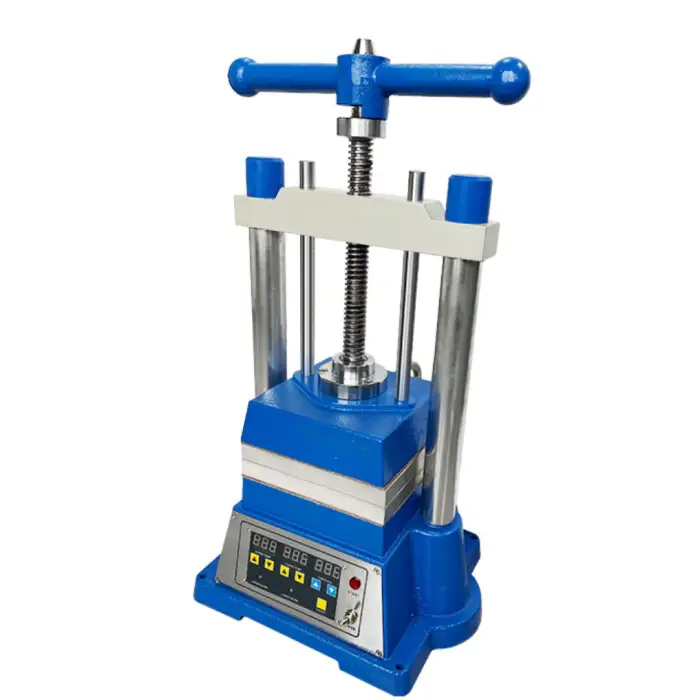
850W Power Jewelry Rubber Mould Pressing Machine with Double Temperature Control Max 200 Degree Digital Timing Model

- Section : Machinery
- Category : Metal & Metallurgy Machinery
- SKU : 1601495270700

850W Power Jewelry Rubber Mould Pressing Machine with Double Temperature Control Max 200 Degree Digital Timing Model
The 850W Power Jewelry Rubber Mould Pressing Machine is an essential tool for jewelry makers. It offers precise temperature control and a user-friendly design. With this machine, you can create high-quality rubber molds for your jewelry projects. Its powerful motor and smart features make it easy to operate, ensuring you get great results every time.
Specifications
| Attribute | Details |
|---|---|
| Machine Type | Rubber Making Machine (Jewelry Vulcanizer) |
| Voltage | 220V 50/60Hz |
| Power | 850W |
| Heating Board Size | 200*200MM (8*8 Inches) |
| Max Setting Temperature | 30-200℃ |
| Machine Size | 420*250*570mm |
| Weight | 48 kg |
Key Features
- Easy to operate for all skill levels.
- Double temperature control for accurate heating.
- Digital timing model for precise mold making.
- Eco-friendly design and materials.
- Includes machinery test report for quality assurance.
Applications
- Creating rubber molds for jewelry casting.
- Producing wax molds for detailed jewelry designs.
- Ideal for small-scale jewelry manufacturing.
- Useful for hobbyists and professional jewelers alike.
- Perfect for educational purposes in jewelry design courses.
Product Info Gallery
- Shipping Timeframes: All orders are processed within 2-5 business days (excluding weekends and holidays). After your order has been processed, the estimated delivery time is before 05 Aug, 2026, depending on customs, Please note that due to high demand, some items may experience longer shipping times, which will be communicated at order confirmation email.
- Order Processing Time: Please allow 2-5 business days for us to process your order before it is shipped . Orders placed after 16:00 on Fridays, or during weekends and public holidays, will begin processing on the next business day. Processing times may be extended during peak seasons or sales events.
- Manufacturing Time: Some products needs manufacturing time, the manufacturing process will take approximately 10-30 business days depending on the product. This timeframe may vary depending on the complexity of the product and current demand. but this will be communicated with you during order confirmation.
- Returns and Exchanges: We offer a 30-day return policy for most items. If you are not completely satisfied with your purchase, you may return it within 30 days of receipt for a refund or exchange. Items must be unused, in their original packaging, and accompanied by proof of purchase. Return shipping costs are the responsibility of the customer, unless the item was damaged or defective upon arrival.
1. What is the maximum temperature this machine can reach?
The machine's maximum setting temperature is 200°C (30–200°C range). Do not exceed 200°C to avoid damage to the machine or molds.
2. What does "double temperature control" mean?
Double temperature control provides independent temperature regulation for two heating zones (typically upper and lower plates), allowing more consistent and precise heating of the mold during vulcanization.
3. What are the electrical requirements?
The unit requires 220V 50/60Hz power and consumes 850W. For regions with different mains voltages (for example 110V), use a suitable step-up transformer or check for a local model.
4. What is the size of the heating plate and how large are molds it can handle?
The heating board measures 200 × 200 mm (8 × 8 inches), so molds should be sized to fit within that platen area.
5. Is the timing function adjustable and how precise is it?
Yes — the machine uses a digital timing model that lets you set and monitor vulcanization time precisely. Exact timing increments depend on the unit's digital controller; follow your process recipes for best results.
6. What types of mold materials can I process with this machine?
This vulcanizer is designed for rubber mold making commonly used in jewelry — natural and synthetic rubbers formulated for vulcanization. It is also used for preparing wax molds and similar materials compatible with heat and pressure.
7. Is this machine suitable for hobbyists and small-scale production?
Yes. The 850W power, 200×200 mm platen and digital controls make it suitable for hobbyists, educational settings and small-scale jewelry manufacturing.
8. What safety precautions should I follow when using it?
Wear heat-resistant gloves and eye protection, keep the area well ventilated, avoid direct contact with hot plates, never leave the machine unattended while heating, and allow the unit to cool before maintenance or mold removal. Follow the user manual for additional safety features and instructions.
9. How heavy is the machine and what are its dimensions?
The machine weighs 48 kg and measures 420 × 250 × 570 mm. Consider this when planning bench/transport and ensure a sturdy workspace.
10. Does the product come with a quality report or documentation?
Yes. The product description states that the unit includes a machinery test report for quality assurance. Additional manuals or certification may be supplied by the seller.
11. How do I maintain and clean the machine?
Disconnect power and let the unit cool before cleaning. Wipe external surfaces and platens with a soft, dry or slightly damp cloth; avoid abrasive cleaners and excessive moisture. Follow the maintenance schedule in the user manual and periodically check electrical connections and platen surfaces for wear.
12. Are spare parts and service available?
Spare parts and after-sales service availability vary by supplier. Contact the vendor or manufacturer for information on replacement elements (heating elements, controllers, fuses) and authorized service centers.
13. Can I use this machine for non-jewelry applications?
Potentially yes, if the material and process are compatible with the platen size, temperature range (30–200°C), and pressure characteristics. Always verify material compatibility before use.
14. What should I do if the temperature or timer does not behave correctly?
First, power-cycle the unit and check connections. If the problem persists, consult the troubleshooting section of the manual and contact the seller or manufacturer. Do not attempt internal repairs unless qualified; unplug the machine before inspection.
15. Is the machine environmentally friendly as claimed?
The product listing notes an eco-friendly design and materials. For specifics (energy efficiency, recyclable components, emissions), request detailed environmental or compliance documentation from the seller or manufacturer.
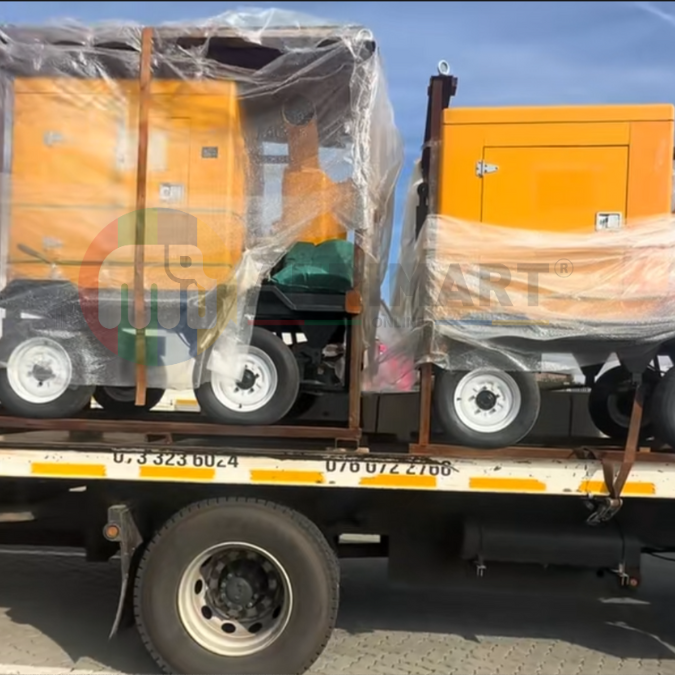
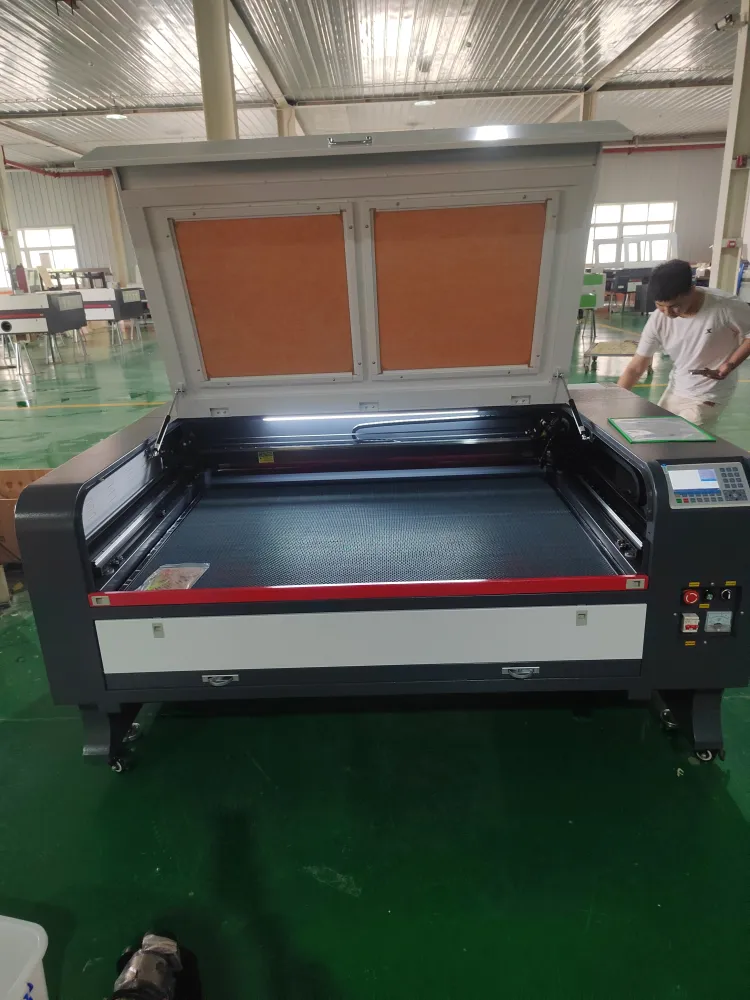
Latest Order Arrivals
Discover our latest orders
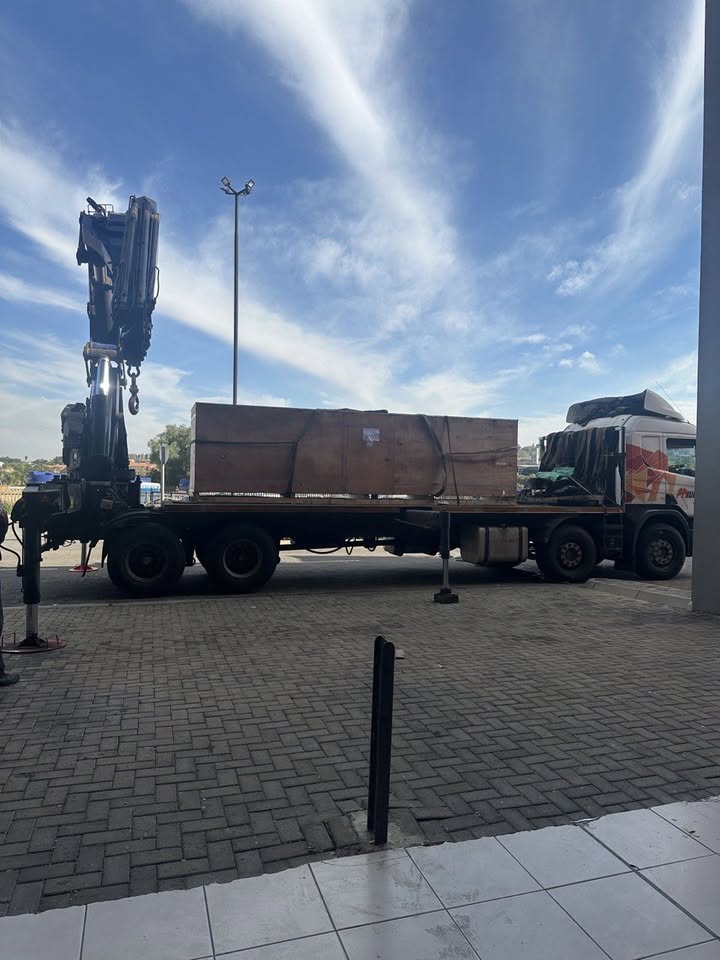
12 Heads Embroidery Machine
Toilet Paper Machine Machine
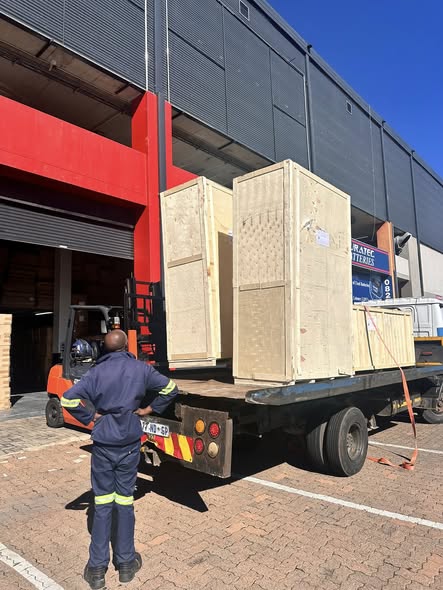
Order Collection
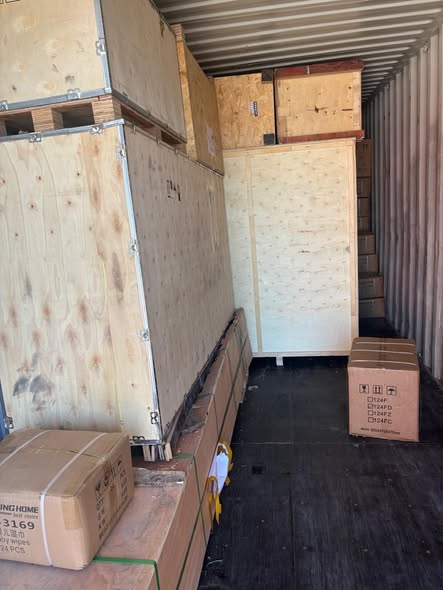
Cross Border Clients
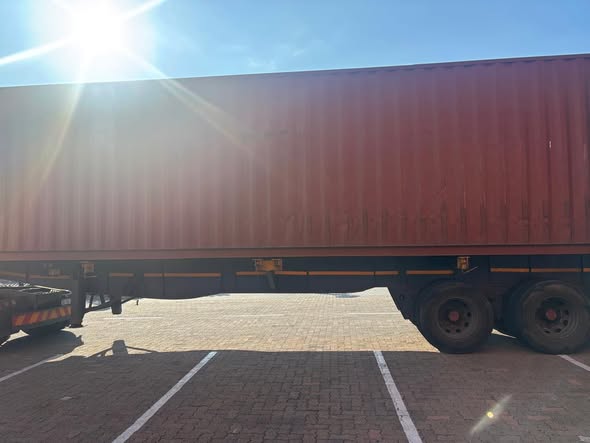
Order cros border countries Collected
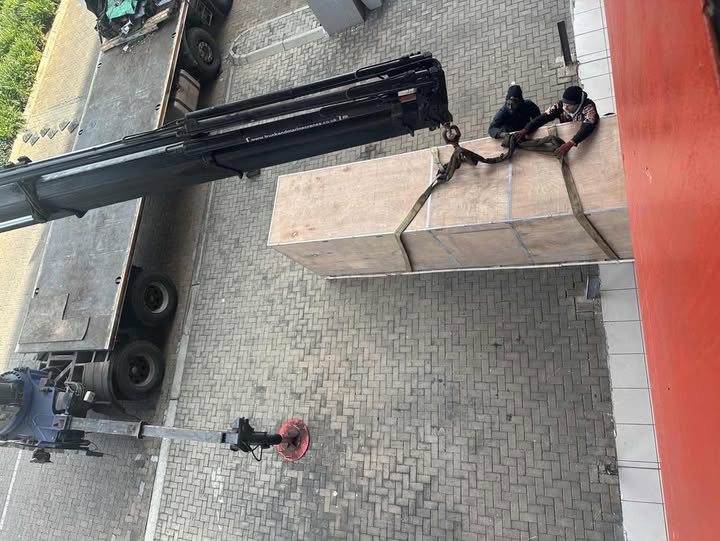
Industrial Machine Cllection
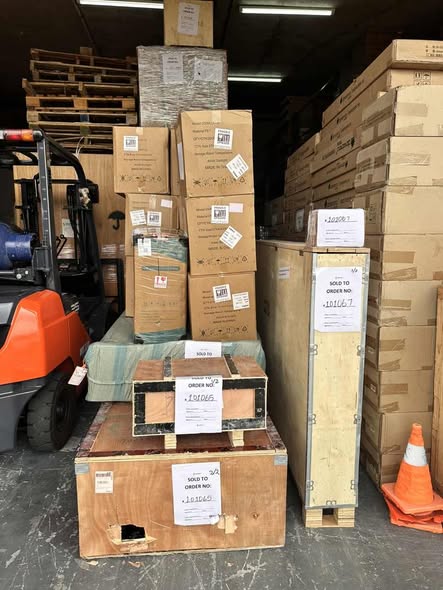
Agriculture Processing Machines
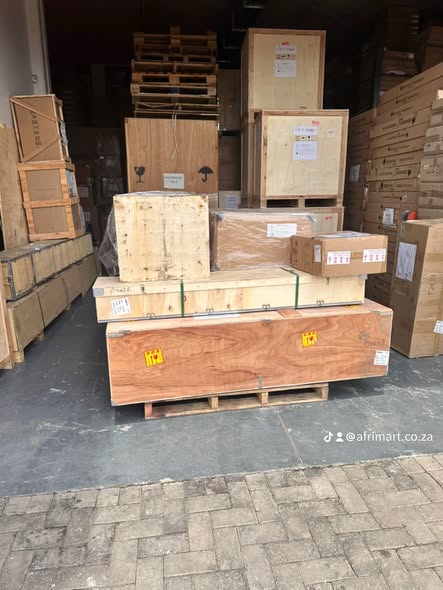
Ready for collection
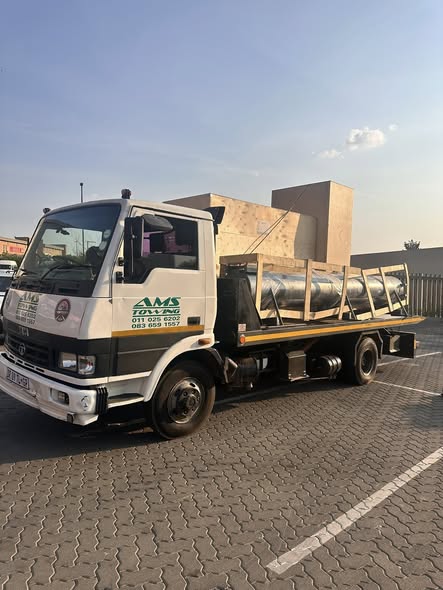
Water Pump Equipment
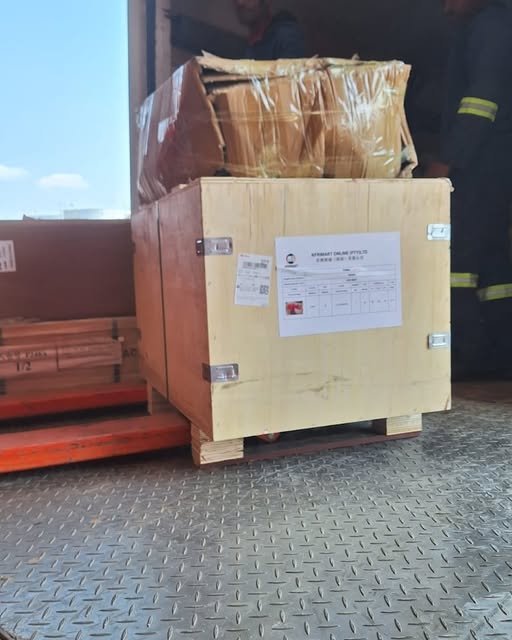
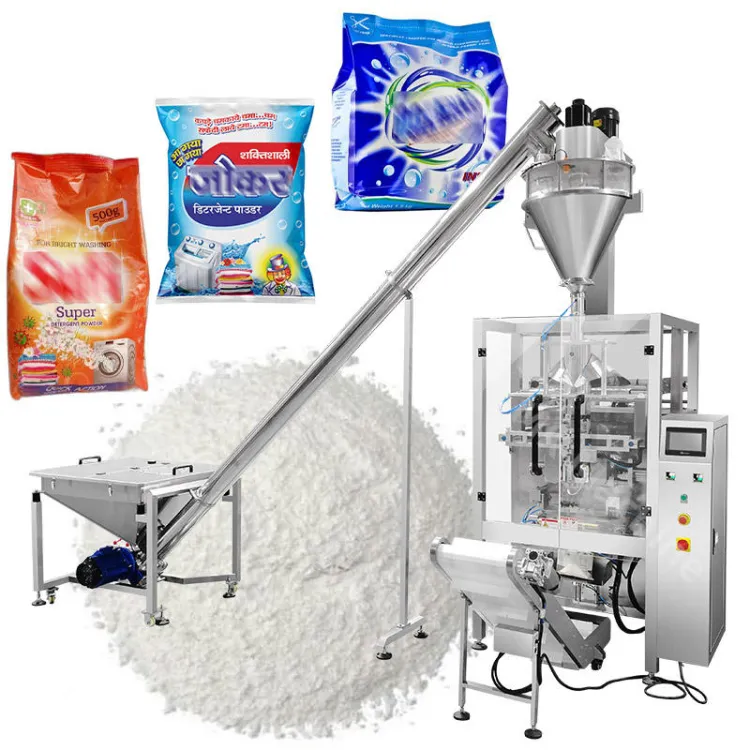
Packaging Machine and accessories
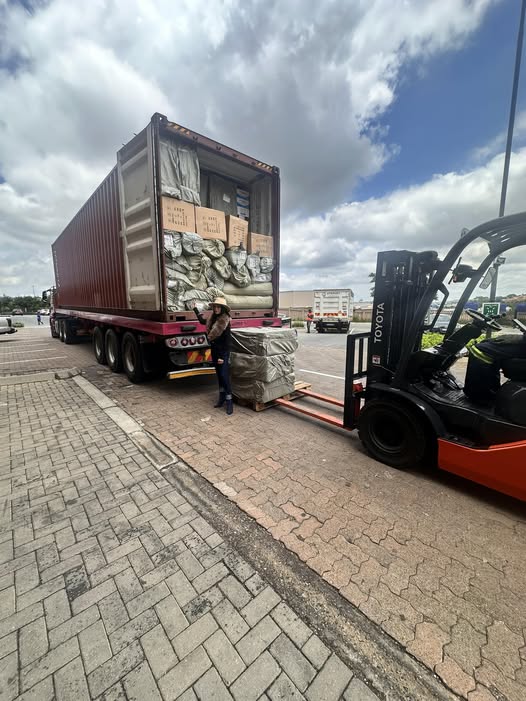
Fabrics Manufacturing Equipment
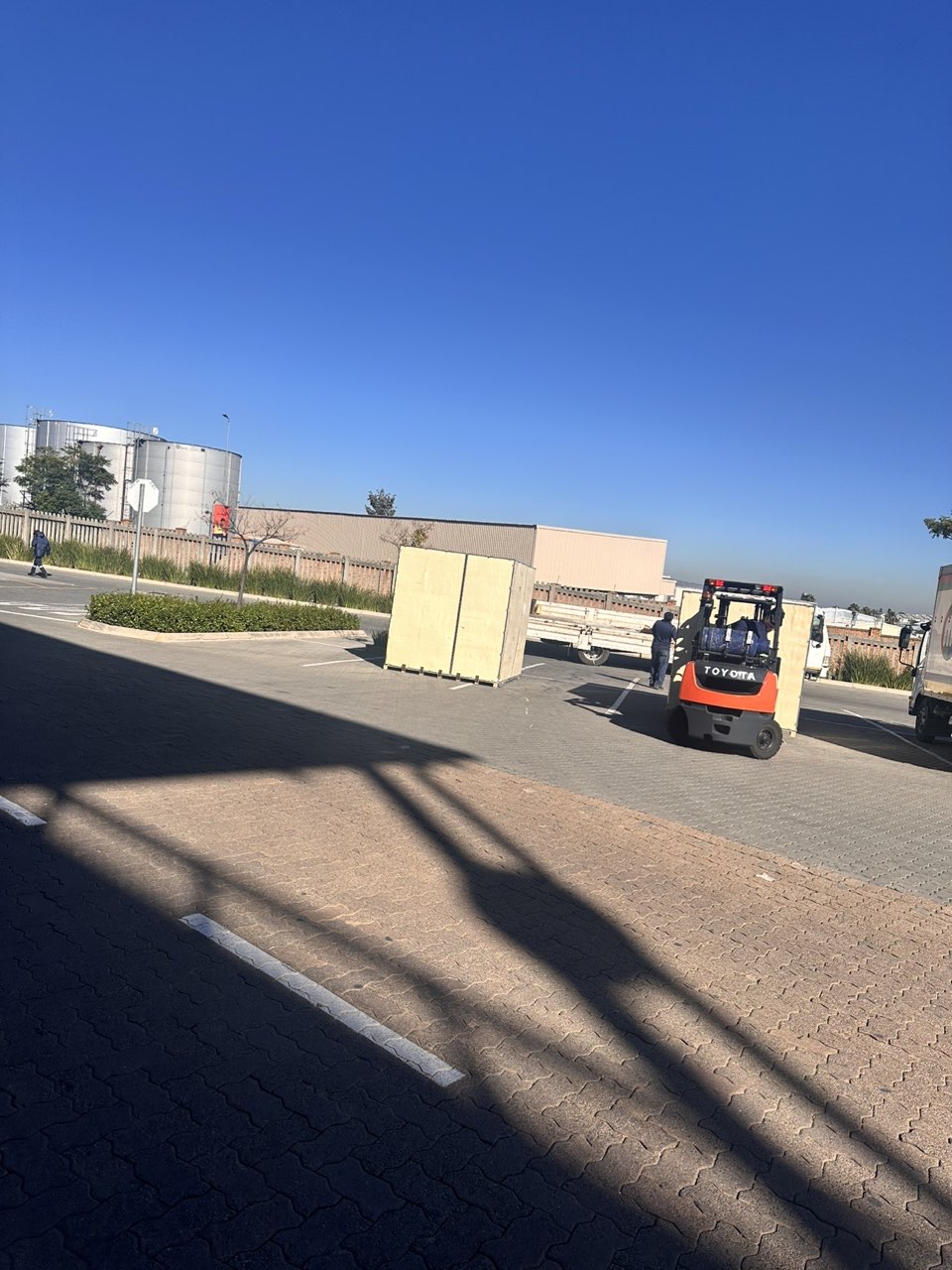
Mining Equipments
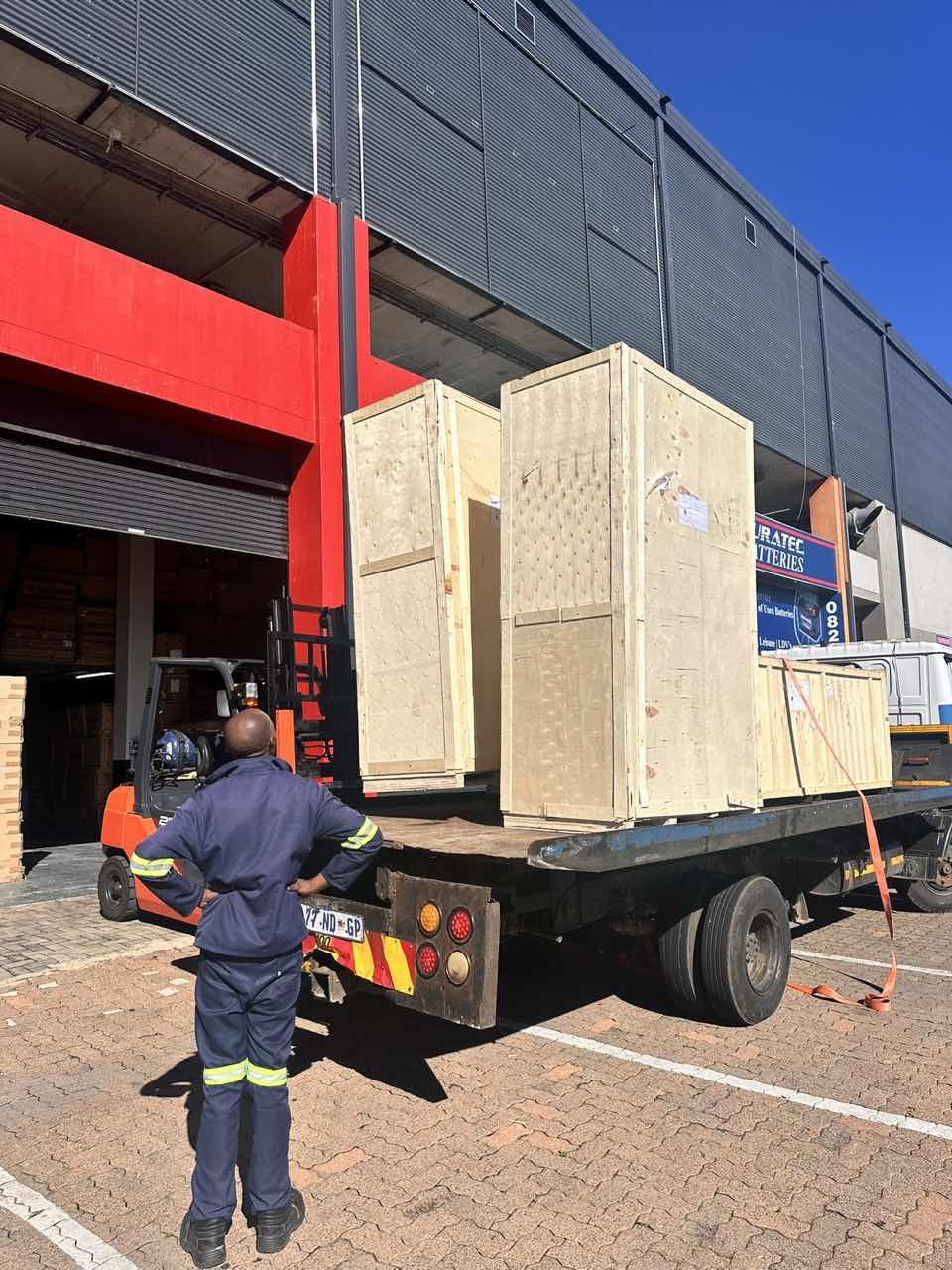
Food Processing Machine
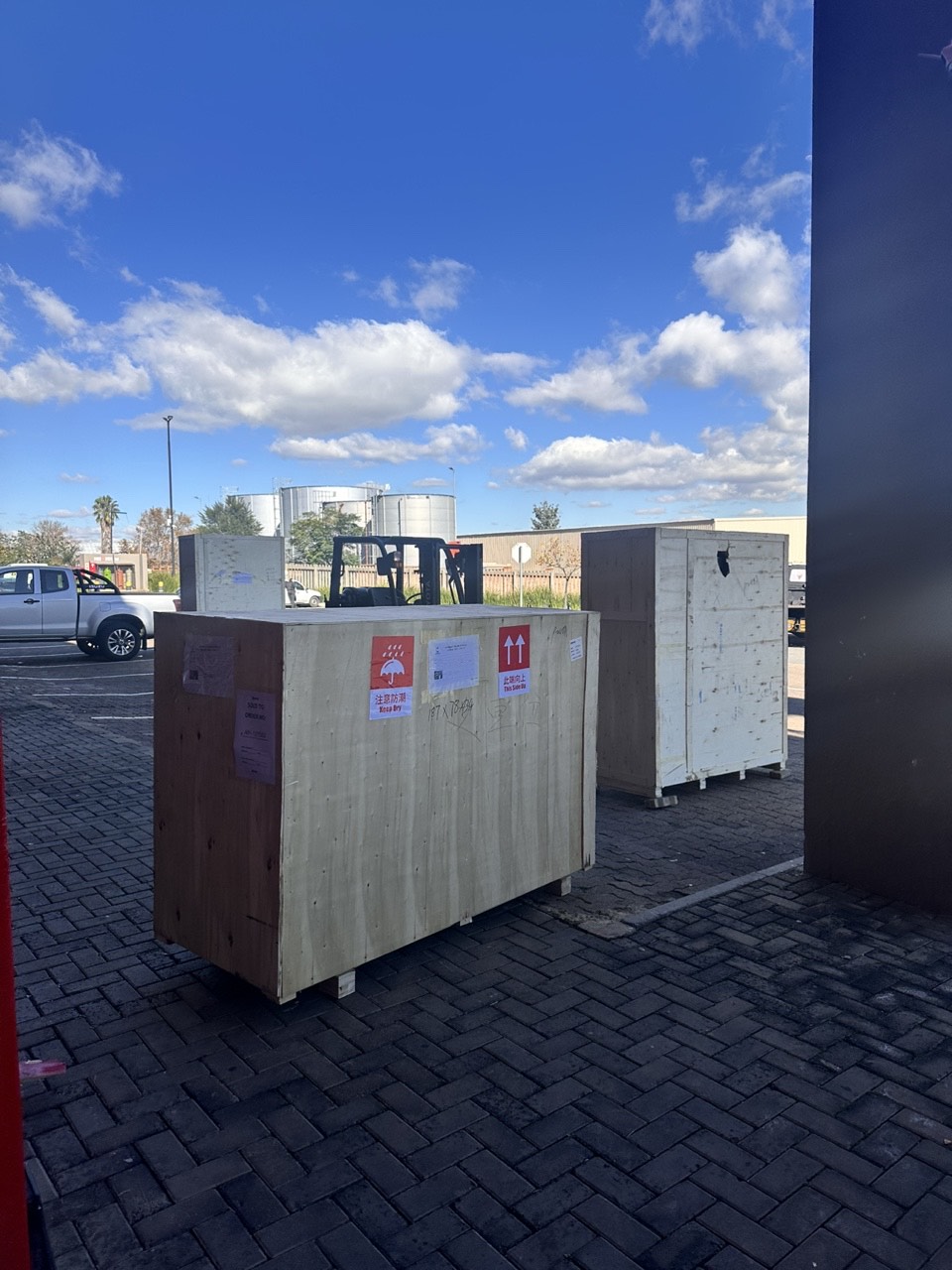
Batch of Orders
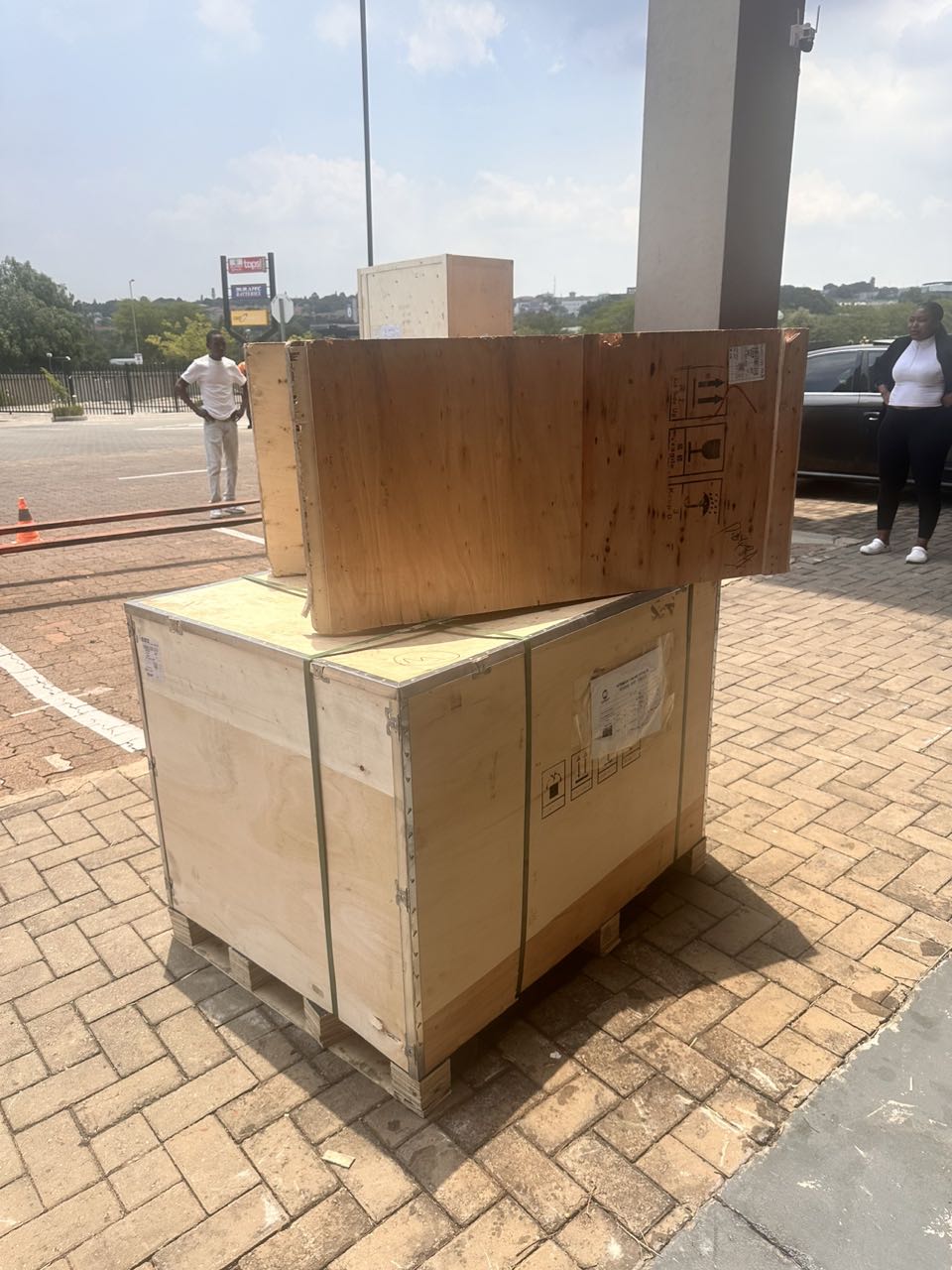
Batch of Orders
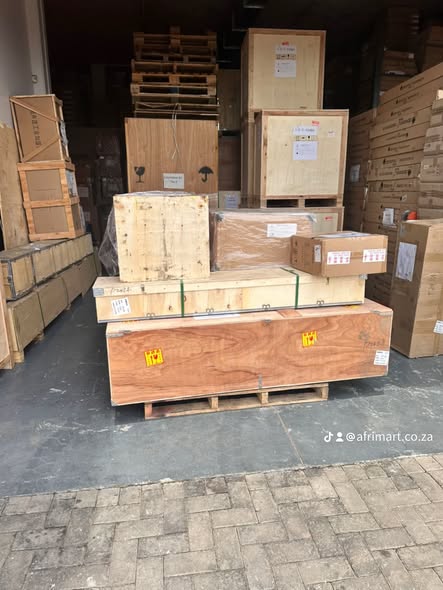
Latest Orders Labelled
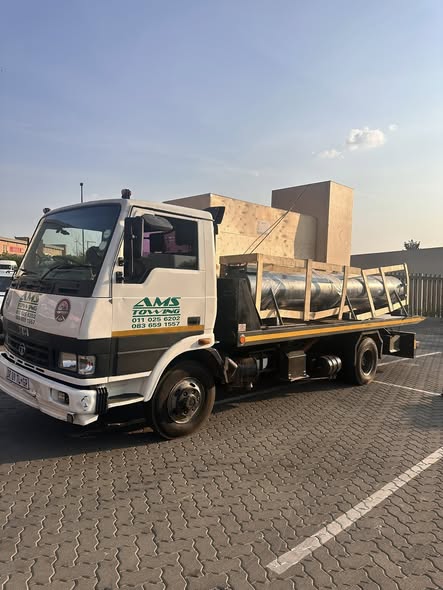
wheel alignment machines
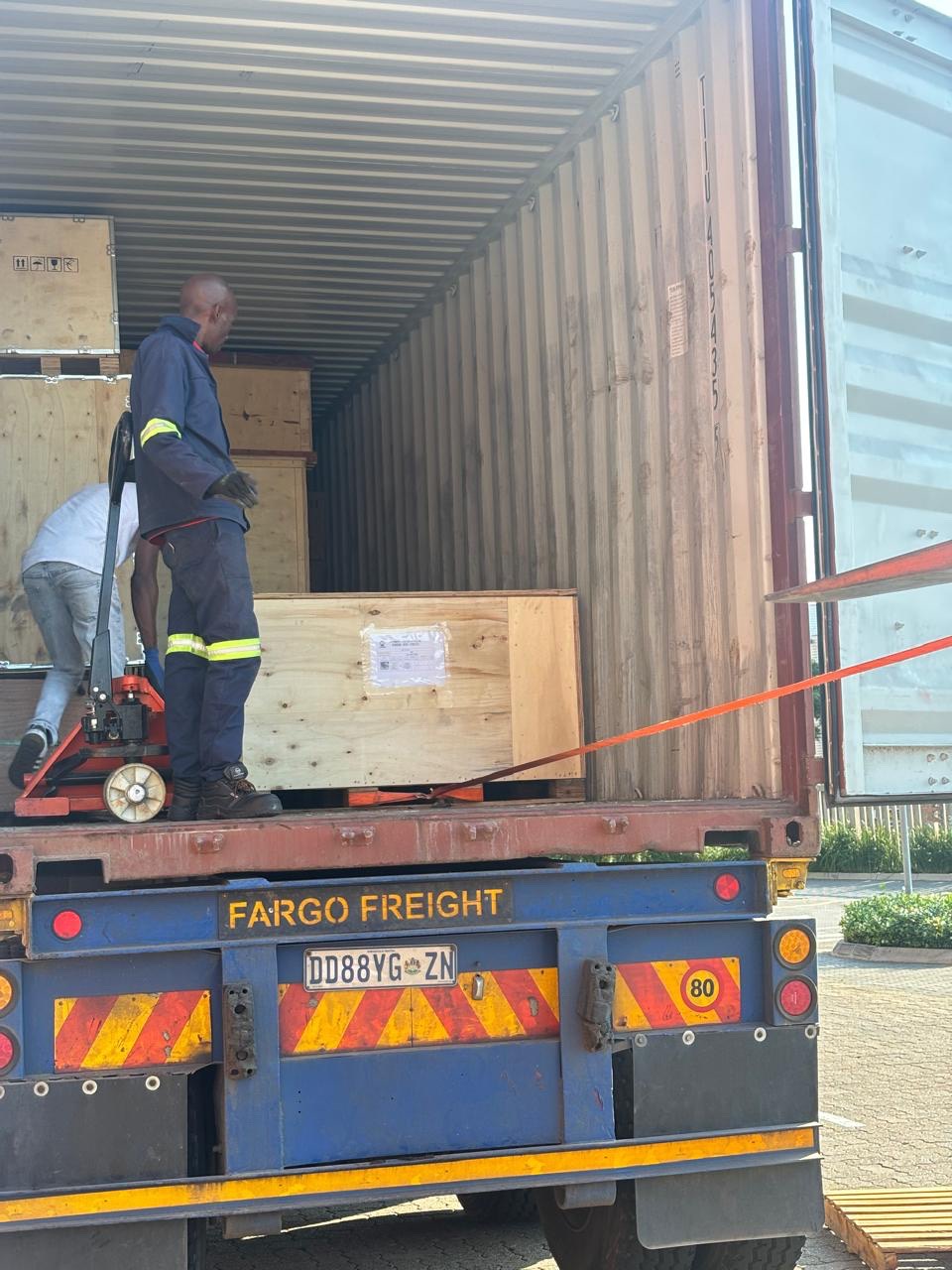
new arrivals
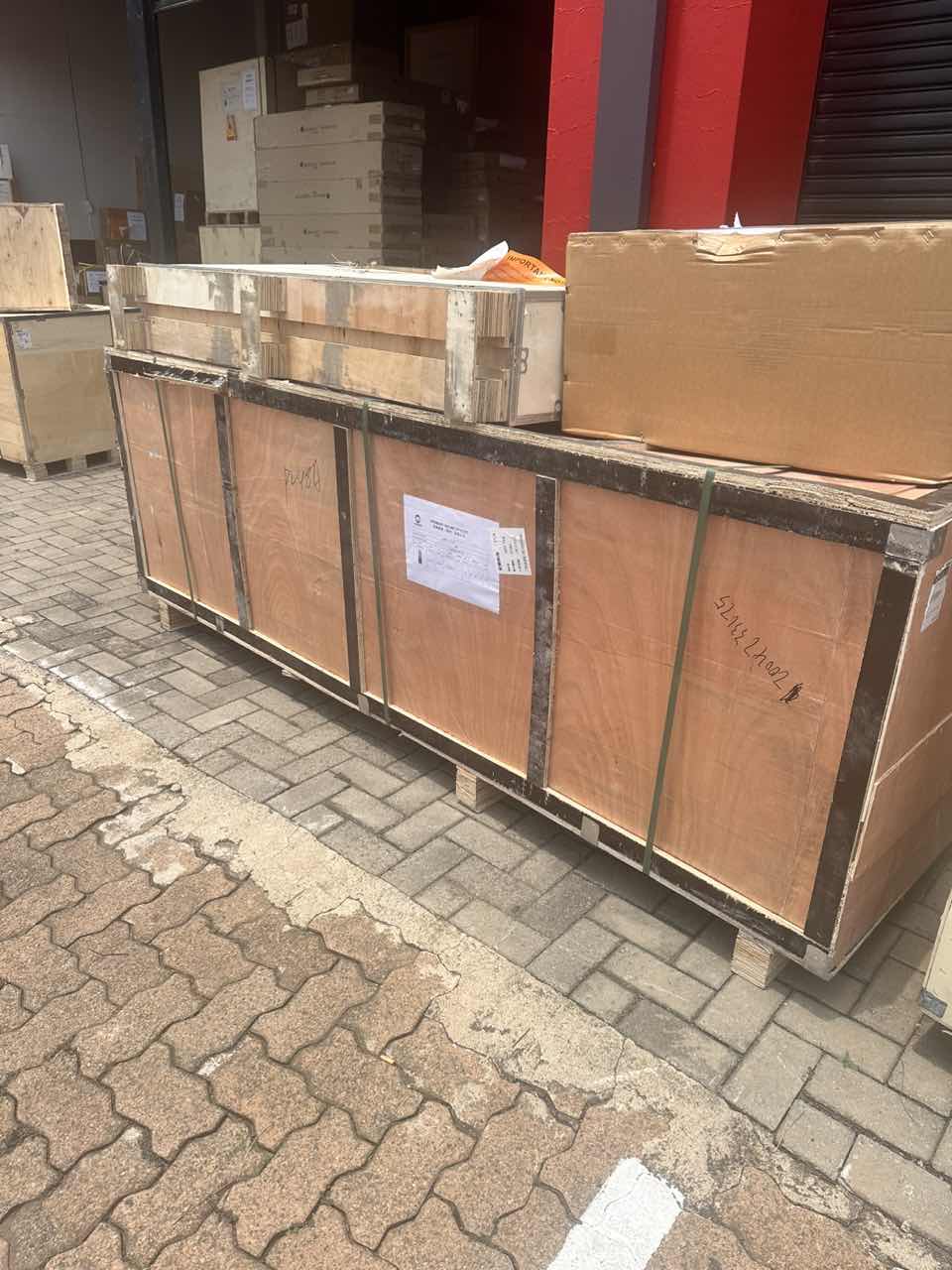
Pre Orders Offloading
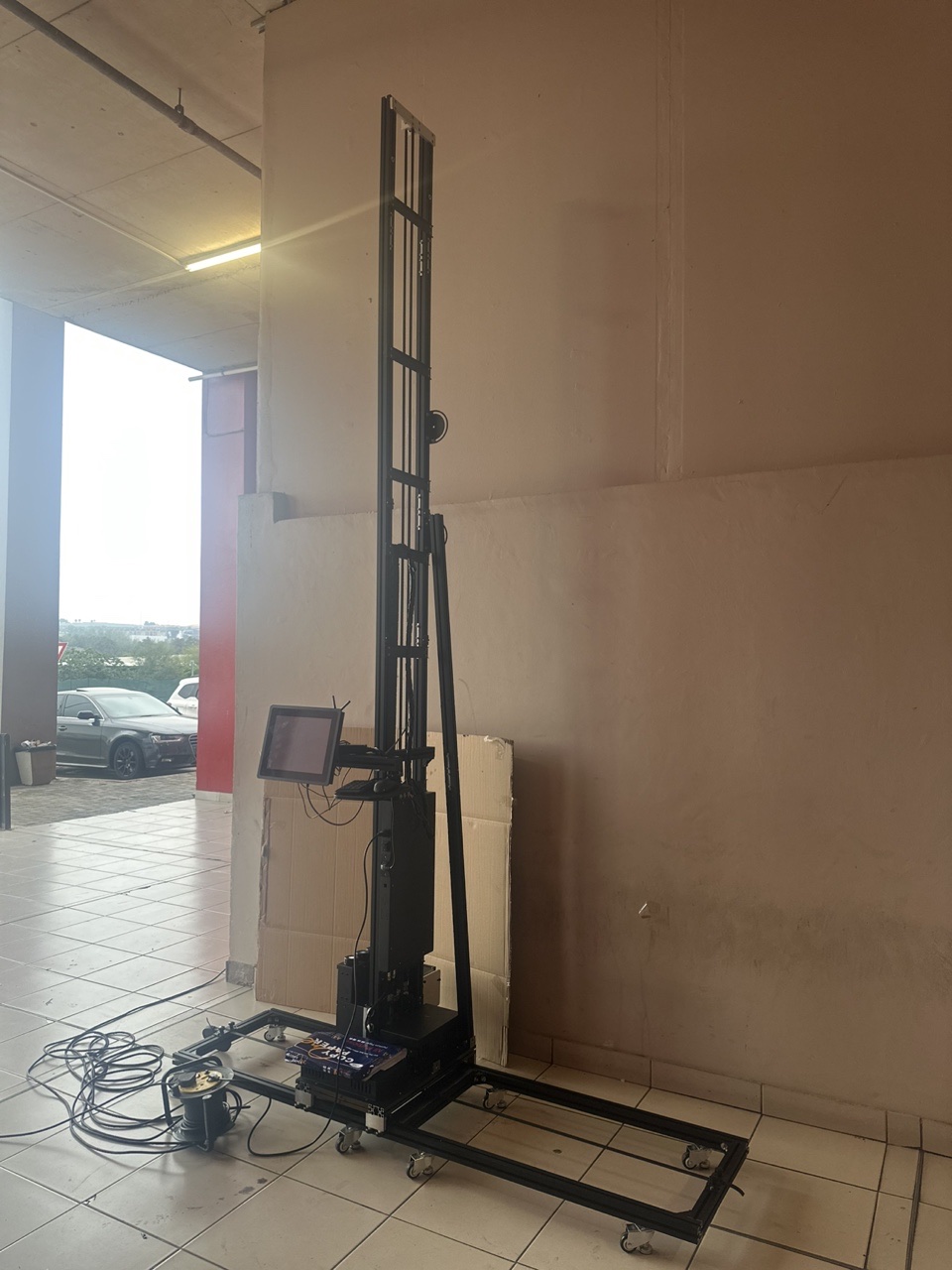
Latest Arrivals
Latest Arrivals
Latest Arrivals
Loading
Toilet paper making machine
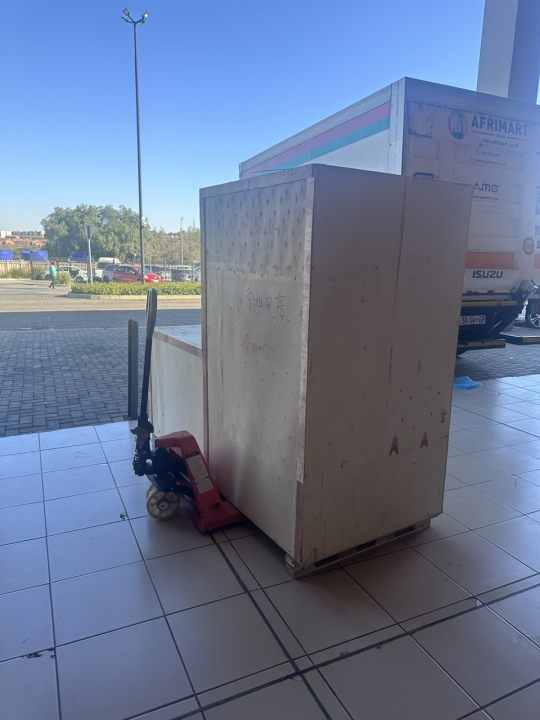
Toilet paper making machine
Toilet paper Rewinding Machine
latest arrivals
offloading
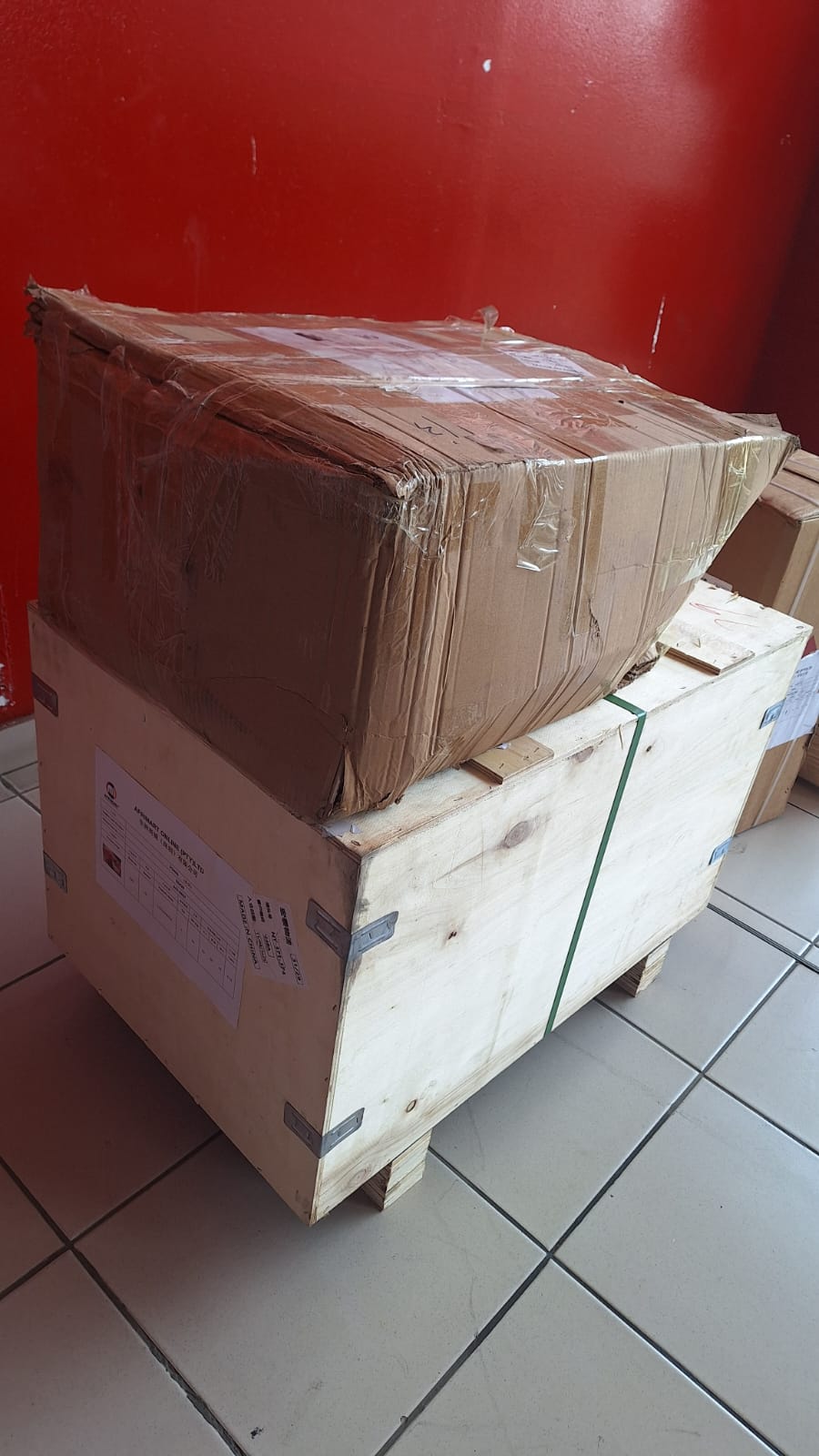
order success
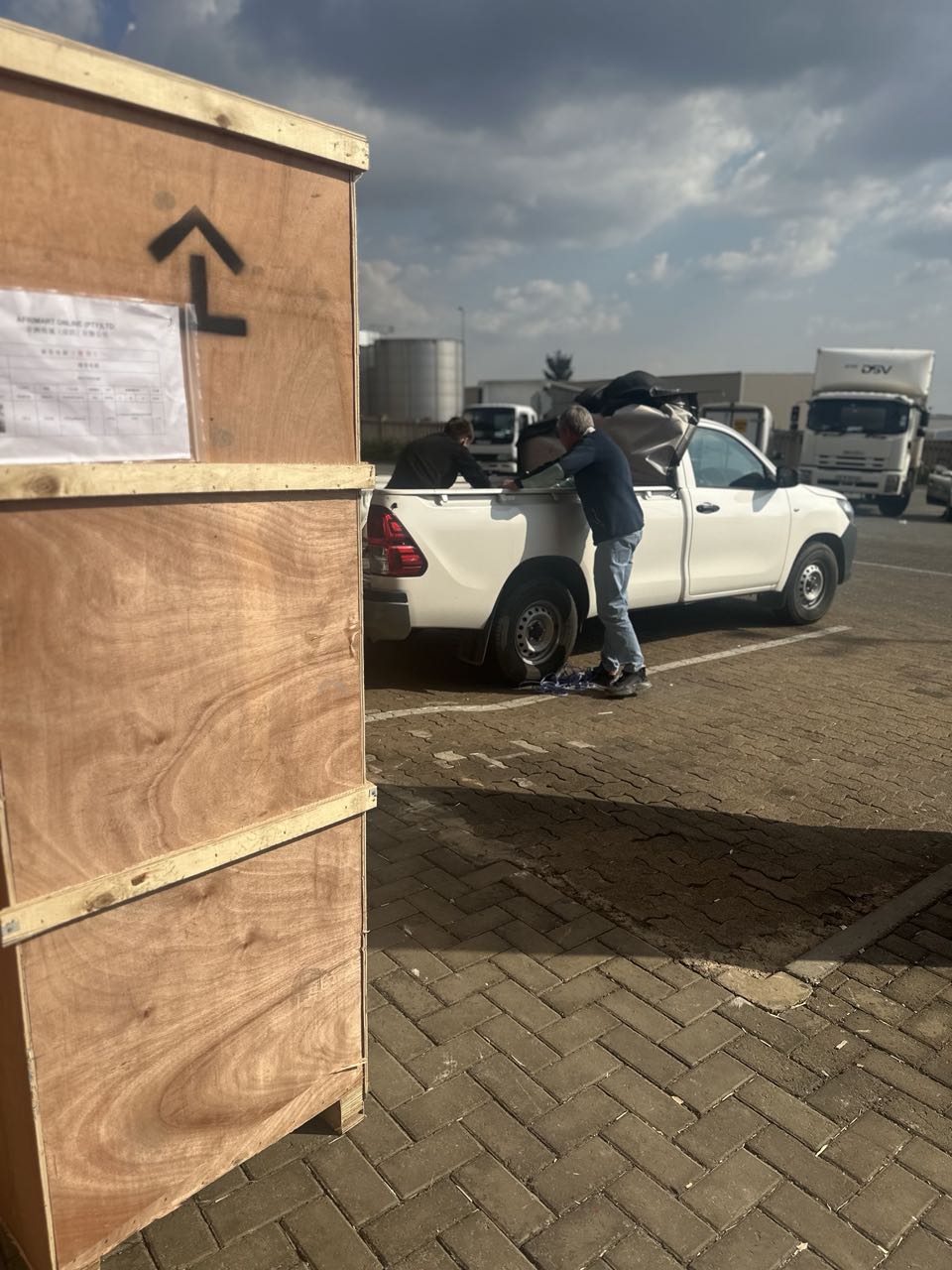
order collection
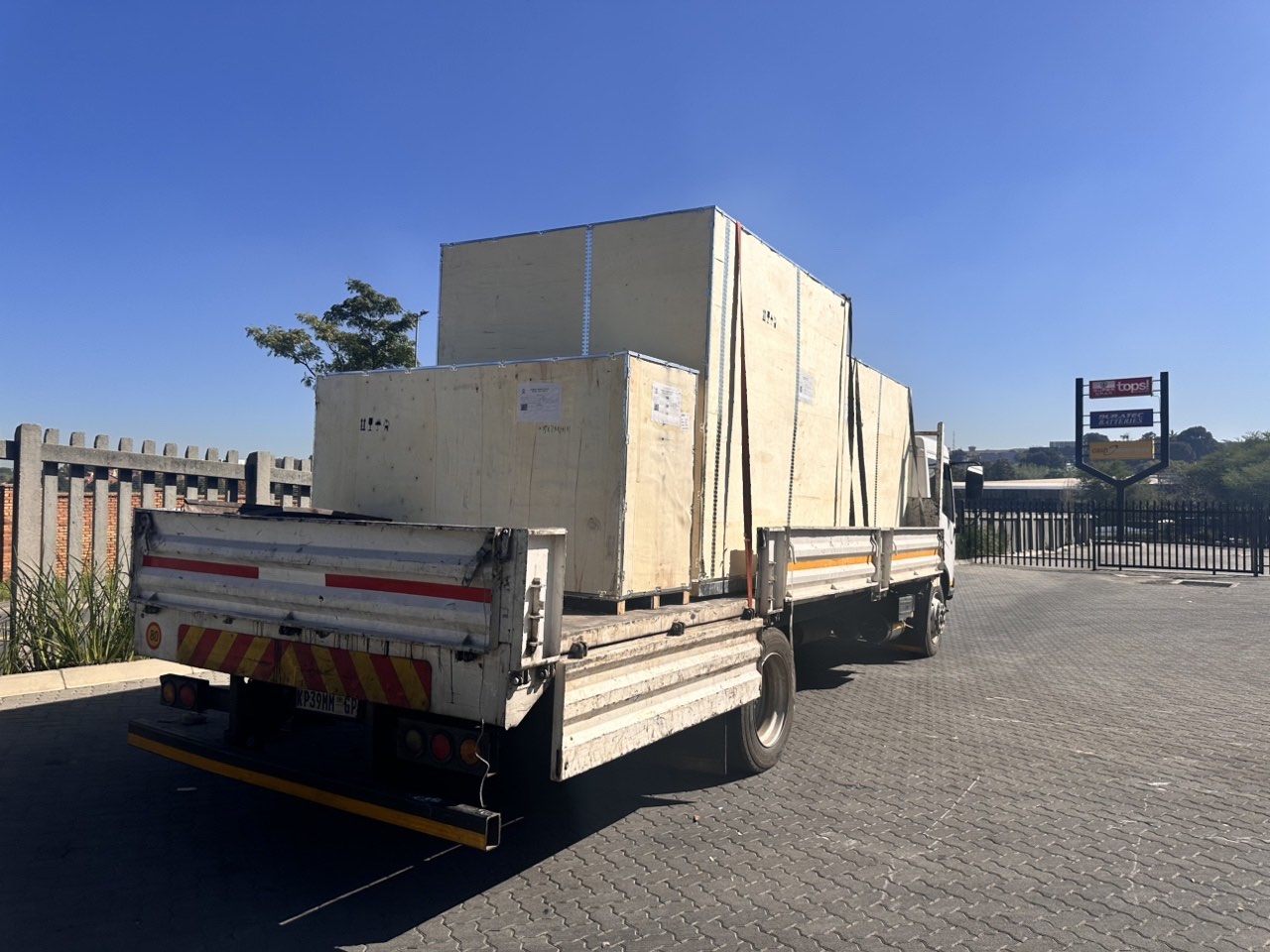
order offloading