B21, China Town Mall, Midrand

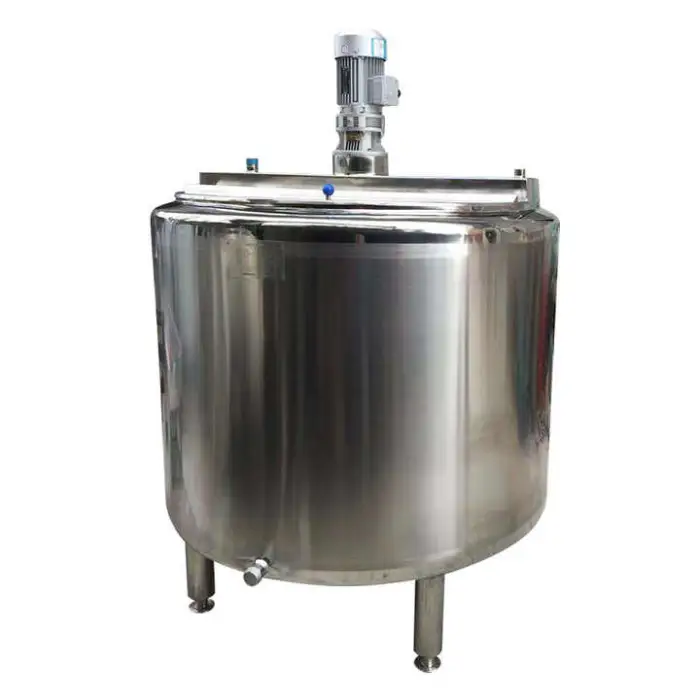
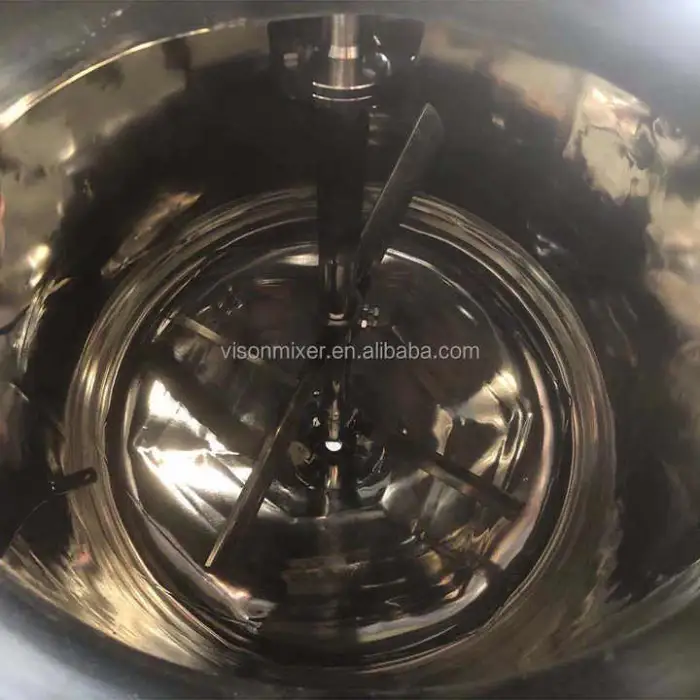
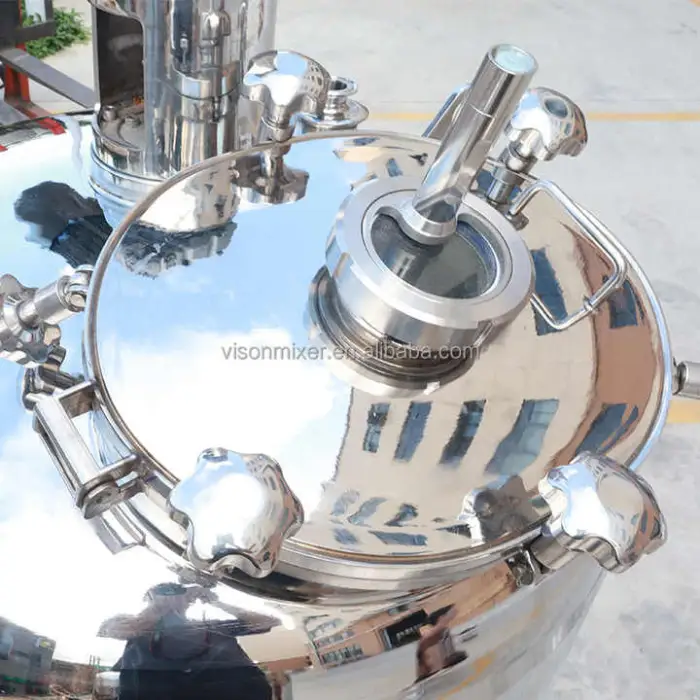
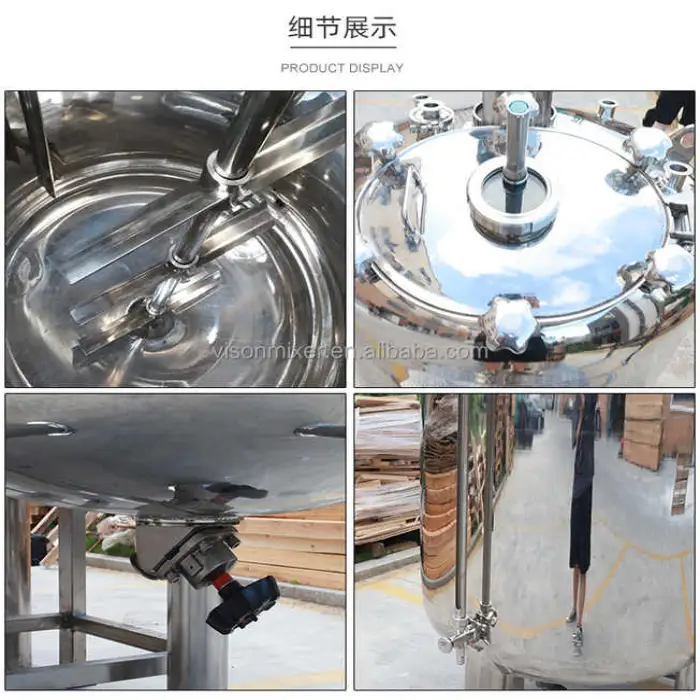
500 Liter Automatic Cheese Making Machine Heating/Cooling Function Agitator/Paddle Mixer Gearbox Motor Core for Food Liquids
Asset finance available
Do you want funding for this equipment?
Afrimart can connect you with trusted funding partners who specialise in asset finance for businesses like yours. Compare options and apply in minutes — final approval is subject to provider review.
Check funding options
Secure & no obligation

- Section : Machinery
- Category : Mixing Equipment
- SKU : 1601377419048

500 Liter Automatic Cheese Making Machine Heating/Cooling Function Agitator/Paddle Mixer Gearbox Motor Core for Food Liquids
The 500 Liter Automatic Cheese Making Machine is designed to simplify your cheese production process. This machine comes with a heating and cooling function, ensuring your ingredients are always at the right temperature. With its powerful agitator and paddle mixer, it efficiently blends food liquids to create delicious cheese. The robust design includes high-quality components, making it a reliable choice for any food business.
Specifications
| Attribute | Details |
|---|---|
| Type | Food Mixer |
| Capacity | 500 Liters |
| Voltage | 380V |
| Product Type | Food Processing Equipment |
| Core Components | Motor, Gear, Gearbox, PLC |
| Material | SUS316 |
| Automatic Function | Yes |
Key Features
- Automatic operation for ease of use
- Heating and cooling functions for optimal ingredient temperature
- Durable SUS316 material for food safety
- Efficient agitator and paddle mixer for thorough blending
- Powerful gearbox motor for consistent performance
Applications
- Cheese production in large quantities
- Processing various food liquids
- Food manufacturing facilities
- Research and development in food technology
- Restaurants and catering services for cheese making
Product Info Gallery
- Shipping Timeframes: All orders are processed within 2-5 business days (excluding weekends and holidays). After your order has been processed, the estimated delivery time is before 02 Sep, 2026, depending on customs, Please note that due to high demand, some items may experience longer shipping times, which will be communicated at order confirmation email.
- Order Processing Time: Please allow 2-5 business days for us to process your order before it is shipped . Orders placed after 16:00 on Fridays, or during weekends and public holidays, will begin processing on the next business day. Processing times may be extended during peak seasons or sales events.
- Manufacturing Time: Some products needs manufacturing time, the manufacturing process will take approximately 10-30 business days depending on the product. This timeframe may vary depending on the complexity of the product and current demand. but this will be communicated with you during order confirmation.
- Returns and Exchanges: We offer a 30-day return policy for most items. If you are not completely satisfied with your purchase, you may return it within 30 days of receipt for a refund or exchange. Items must be unused, in their original packaging, and accompanied by proof of purchase. Return shipping costs are the responsibility of the customer, unless the item was damaged or defective upon arrival.
1. What is the capacity of this cheese making machine?
The unit has a 500 liter working capacity, suitable for small- to mid-scale cheese production runs.
2. What materials contact the product and are they food-safe?
All product-contact parts are made from SUS316 stainless steel, which is corrosion-resistant and widely used in food processing for hygiene and durability.
3. What are the electrical requirements?
Standard specification is 380V (three-phase). Final electrical configuration and protections should be coordinated with your local electrical standards and installer.
4. Does the machine provide both heating and cooling?
Yes — the machine includes integrated heating and cooling functions to bring ingredients to and hold target temperatures during cheese making.
5. How is temperature controlled and monitored?
Temperature is controlled via the machine's PLC control system with temperature probes. The PLC allows setpoint adjustment and automatic regulation; exact control features depend on the configured controller package.
6. What mixing elements does the machine use?
The machine is equipped with an agitator and paddle mixer driven by a gearbox motor to ensure thorough, consistent blending of food liquids and curd handling.
7. Is the machine fully automatic?
Yes, it supports automatic operation including programmed heating/cooling and mixing cycles through the PLC, reducing manual intervention.
8. Can it produce different types of cheese?
Yes — it is designed for a range of cheese making processes (e.g., fresh cheeses, pasta filata style, some pressed cheeses). Specific recipes and process steps may require additional tools or attachments; consult the supplier for suitability to a particular cheese type.
9. Is the machine suitable for processing other food liquids?
Yes. It can be used for milk, cream, yogurt bases, sauces, and other food liquids. Viscosity and solids content affect performance, so verify compatibility for high-viscosity products.
10. Is the machine CIP (clean-in-place) compatible?
The machine is constructed for hygienic cleaning (SUS316), and many configurations support CIP. Confirm CIP capability and recommended cleaning procedures with the manufacturer or supplier for your specific model.
11. What maintenance is required?
Routine maintenance typically includes inspection and lubrication of the gearbox, checking seals and gaskets, verifying sensor/calibration, cleaning the vessel and paddles, and scheduled service for the motor. Follow the manufacturer's maintenance schedule.
12. What cooling medium does the machine use?
Cooling is commonly achieved via a jacketed vessel using chilled water or glycol. The exact cooling method and requirements depend on the selected configuration — confirm with the vendor.
13. What safety and regulatory certifications does the machine have?
The machine is designed for food processing and built from food-grade materials. Available certifications (CE, ISO, sanitary design compliance, etc.) depend on the supplier and region — request certificate documentation before purchase.
14. What are the installation space and utility requirements?
Space, weight, ventilation, drainage and utility hookups (electrical, chilled water/glycol, steam or electric heating supply) vary by model and options. The supplier can provide installation drawings and utility specifications for planning.
15. What warranty and after-sales support are offered?
Warranty terms and after-sales support options (spare parts availability, technical service, commissioning) vary by supplier. Ask the seller for warranty duration, coverage details and available maintenance/service packages.
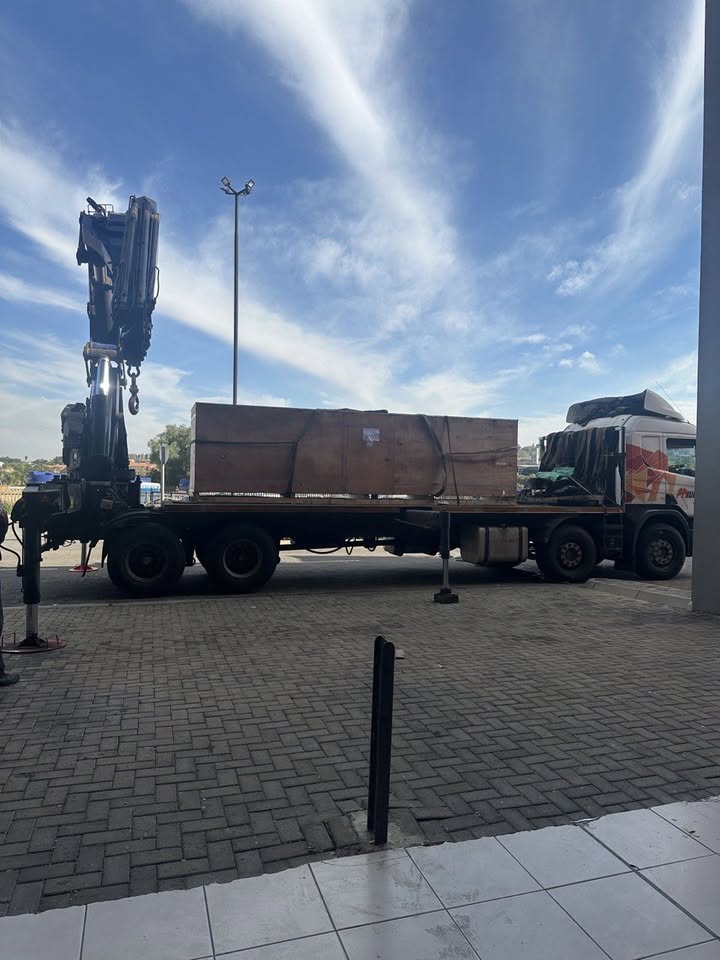
Latest Order Arrivals
Discover our latest orders
12 Heads Embroidery Machine
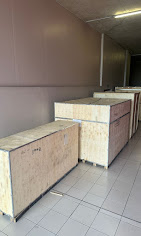
Toilet Paper Machine Machine
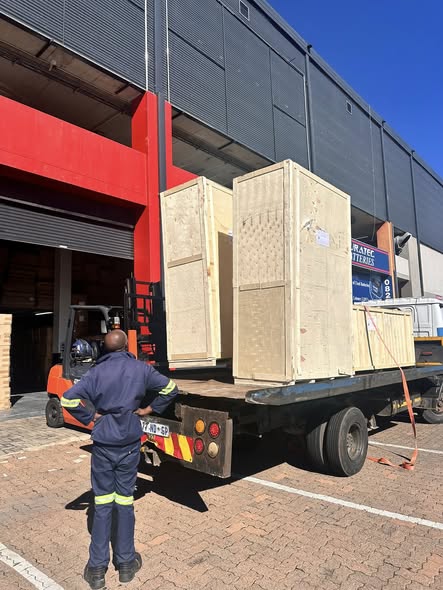
Order Collection
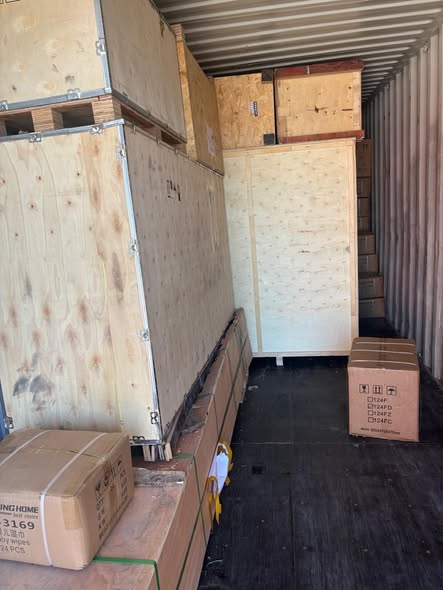
Cross Border Clients
Order cros border countries Collected
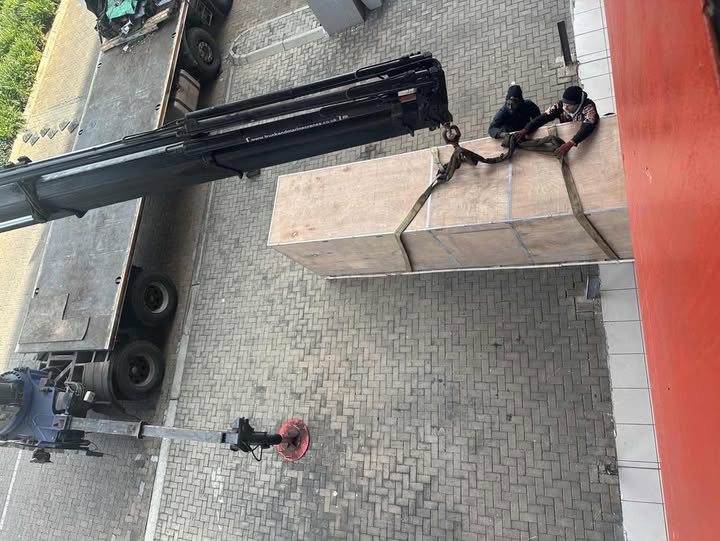
Industrial Machine Cllection
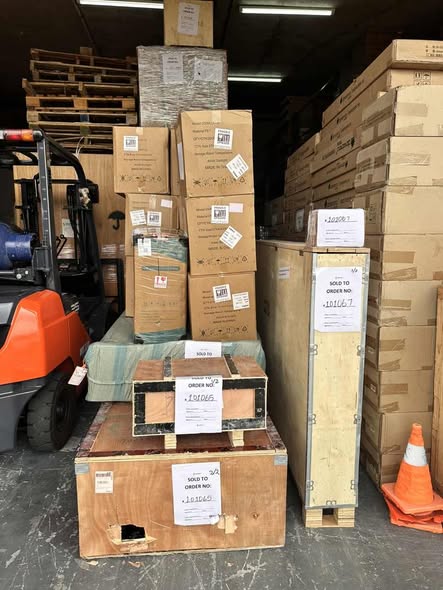
Agriculture Processing Machines
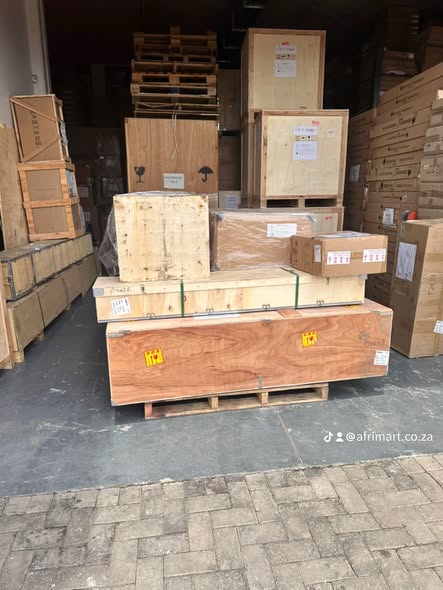
Ready for collection
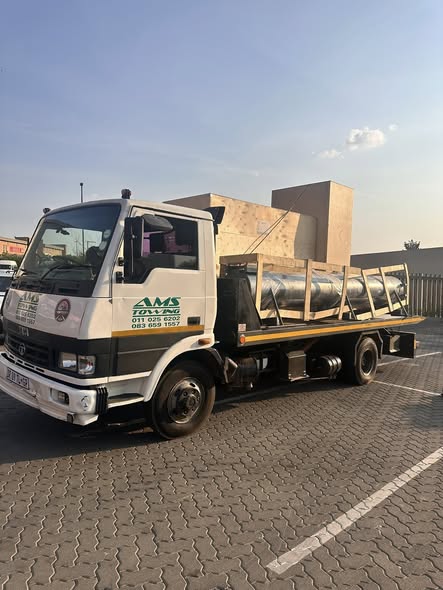
Water Pump Equipment
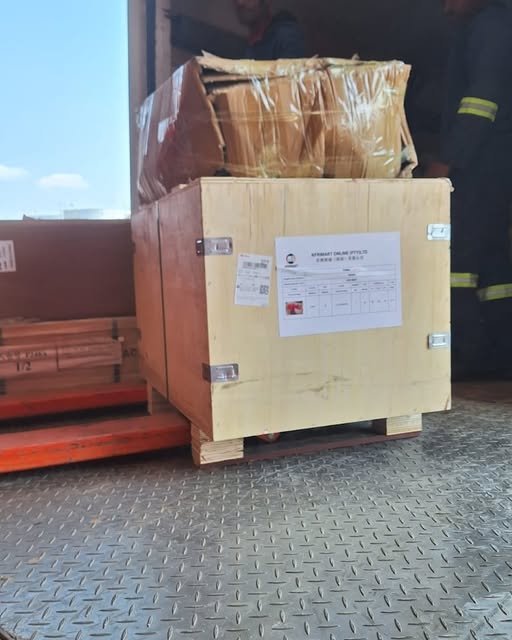
Packaging Machine and accessories
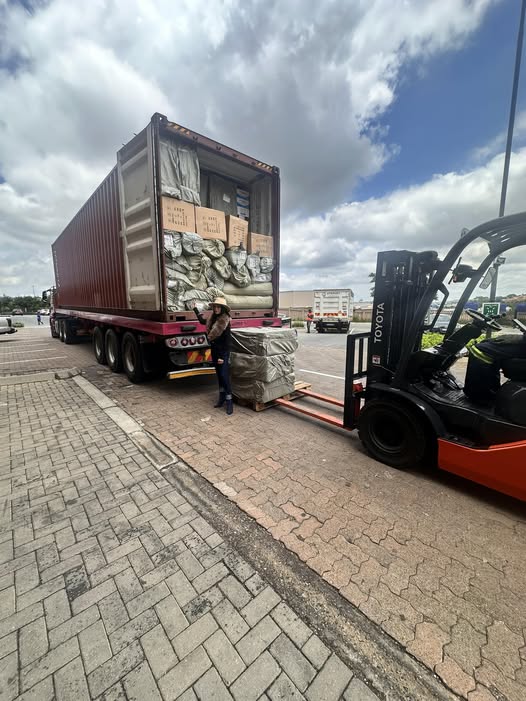
Fabrics Manufacturing Equipment
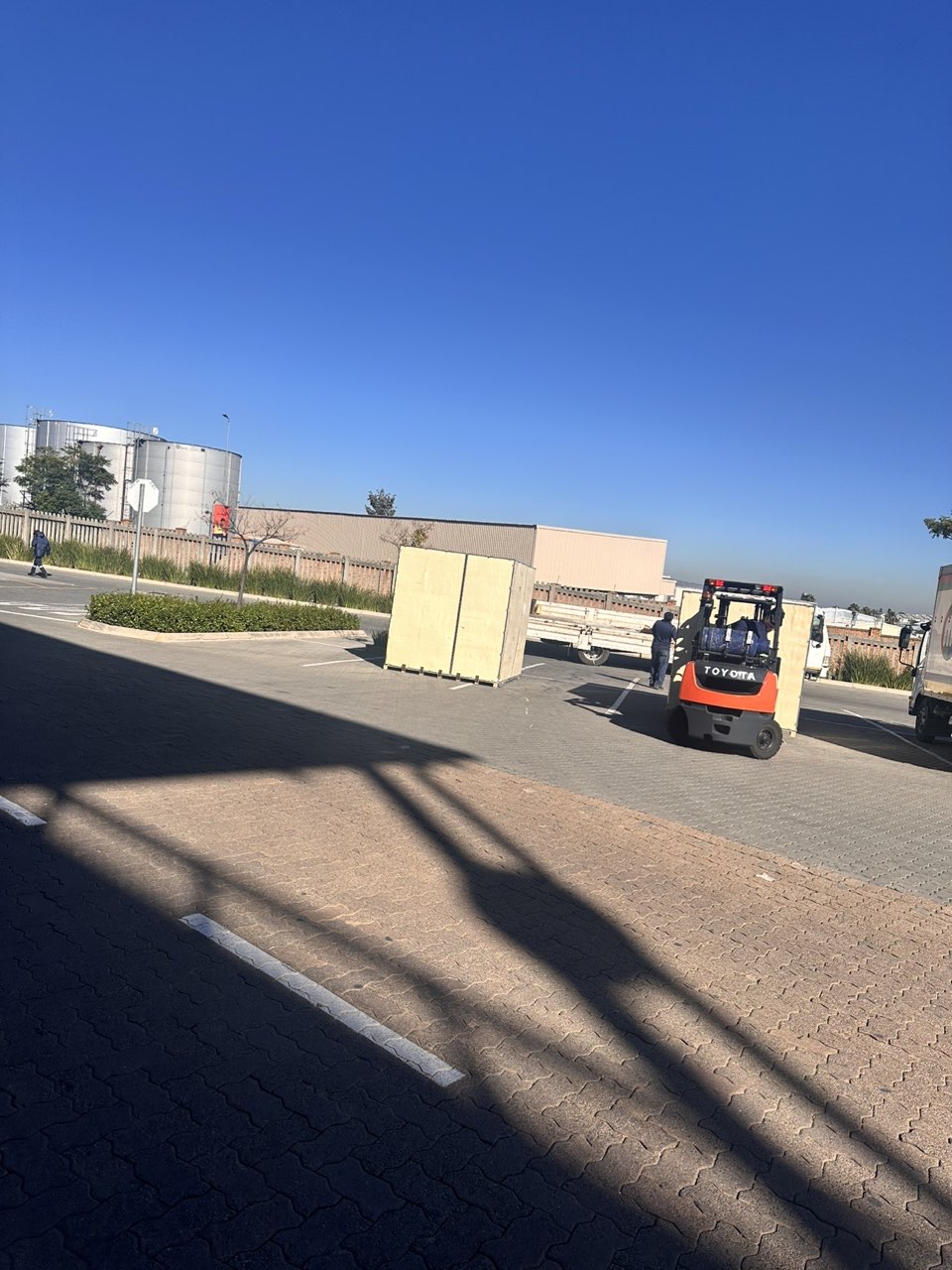
Mining Equipments
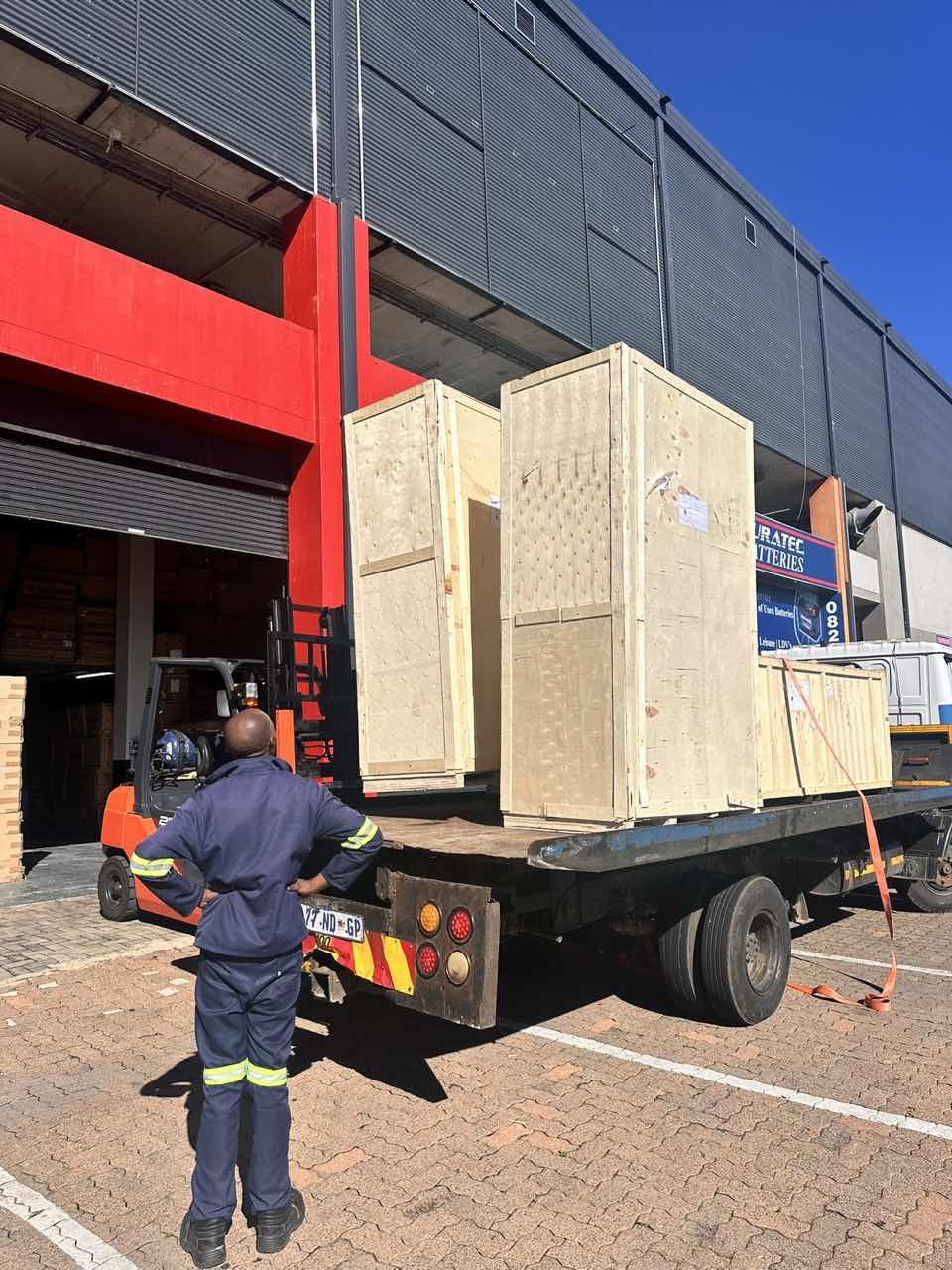
Food Processing Machine
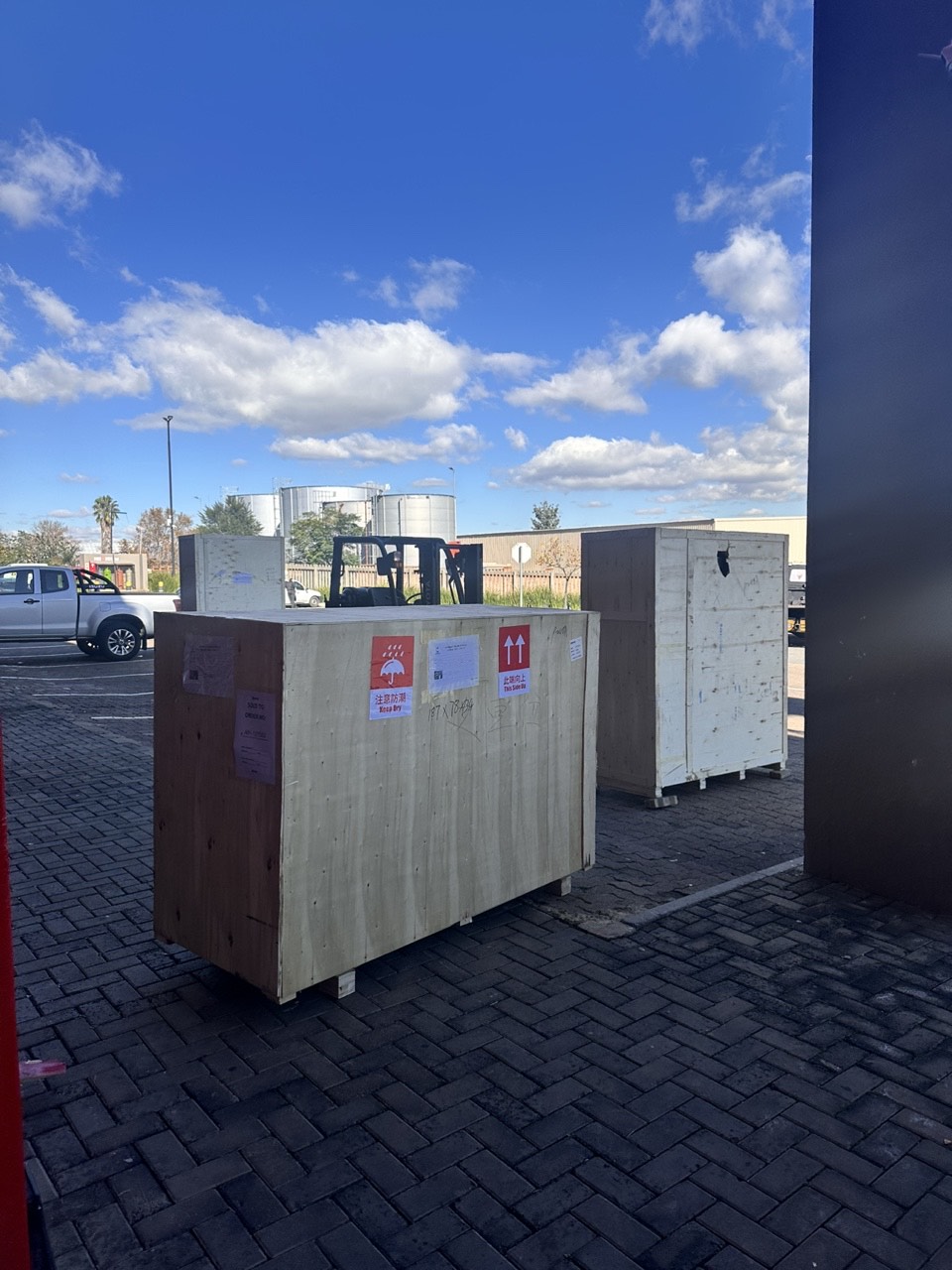
Batch of Orders
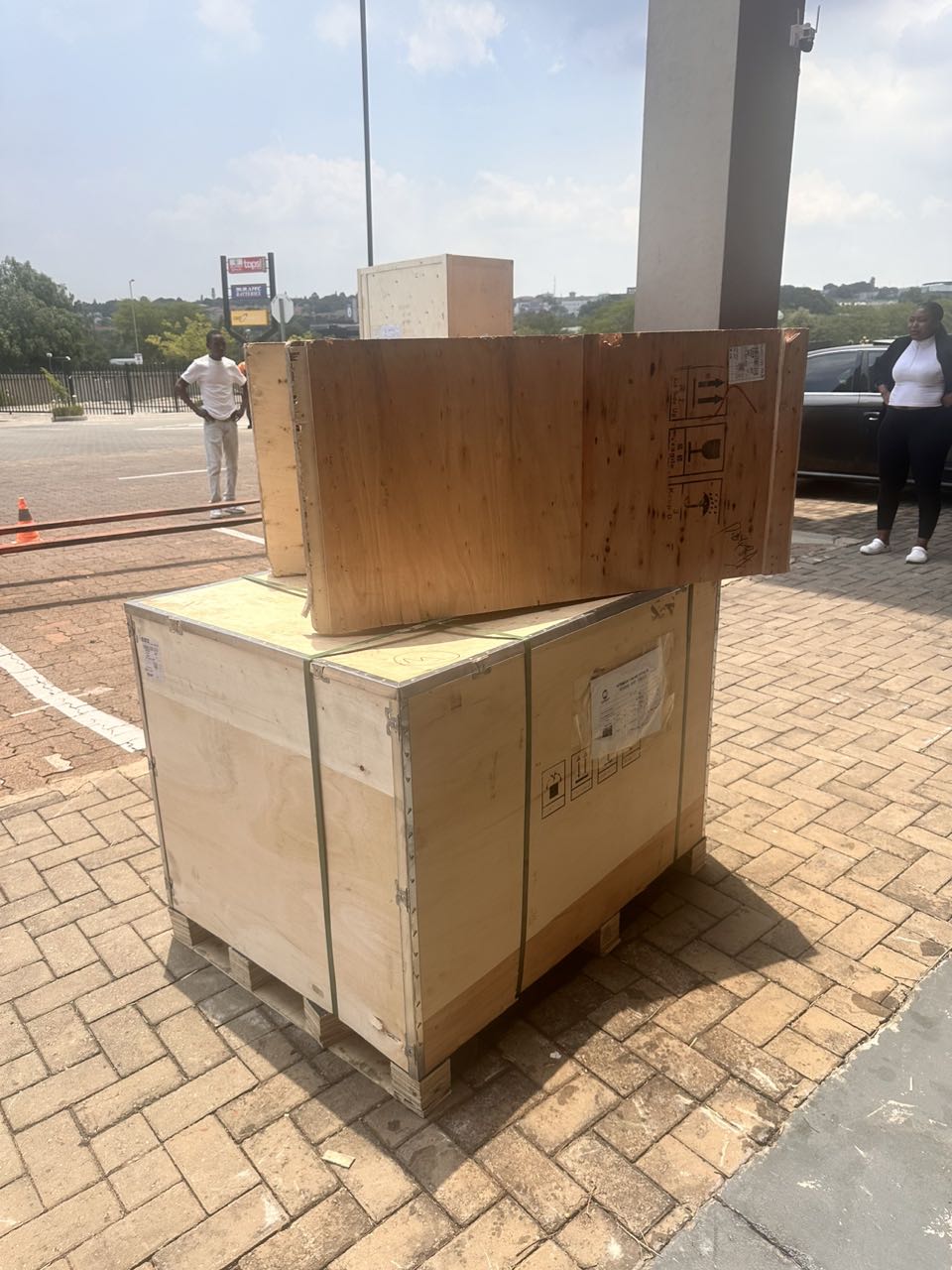
Batch of Orders
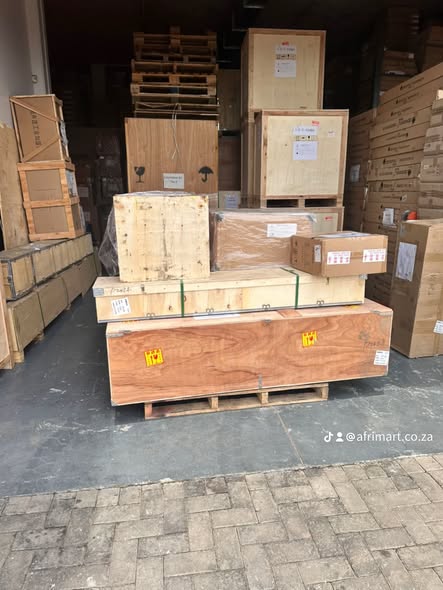
Latest Orders Labelled
wheel alignment machines
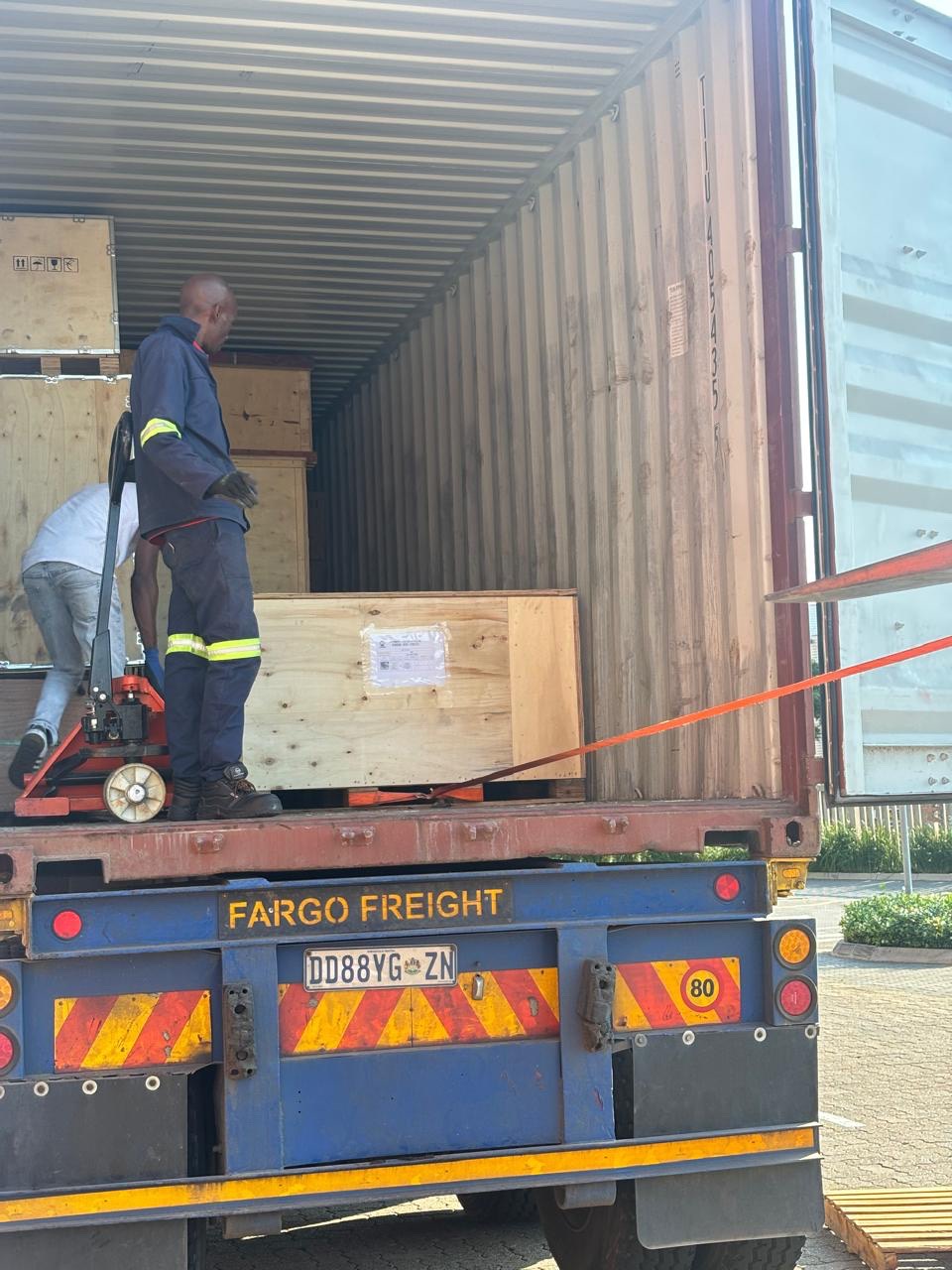
new arrivals
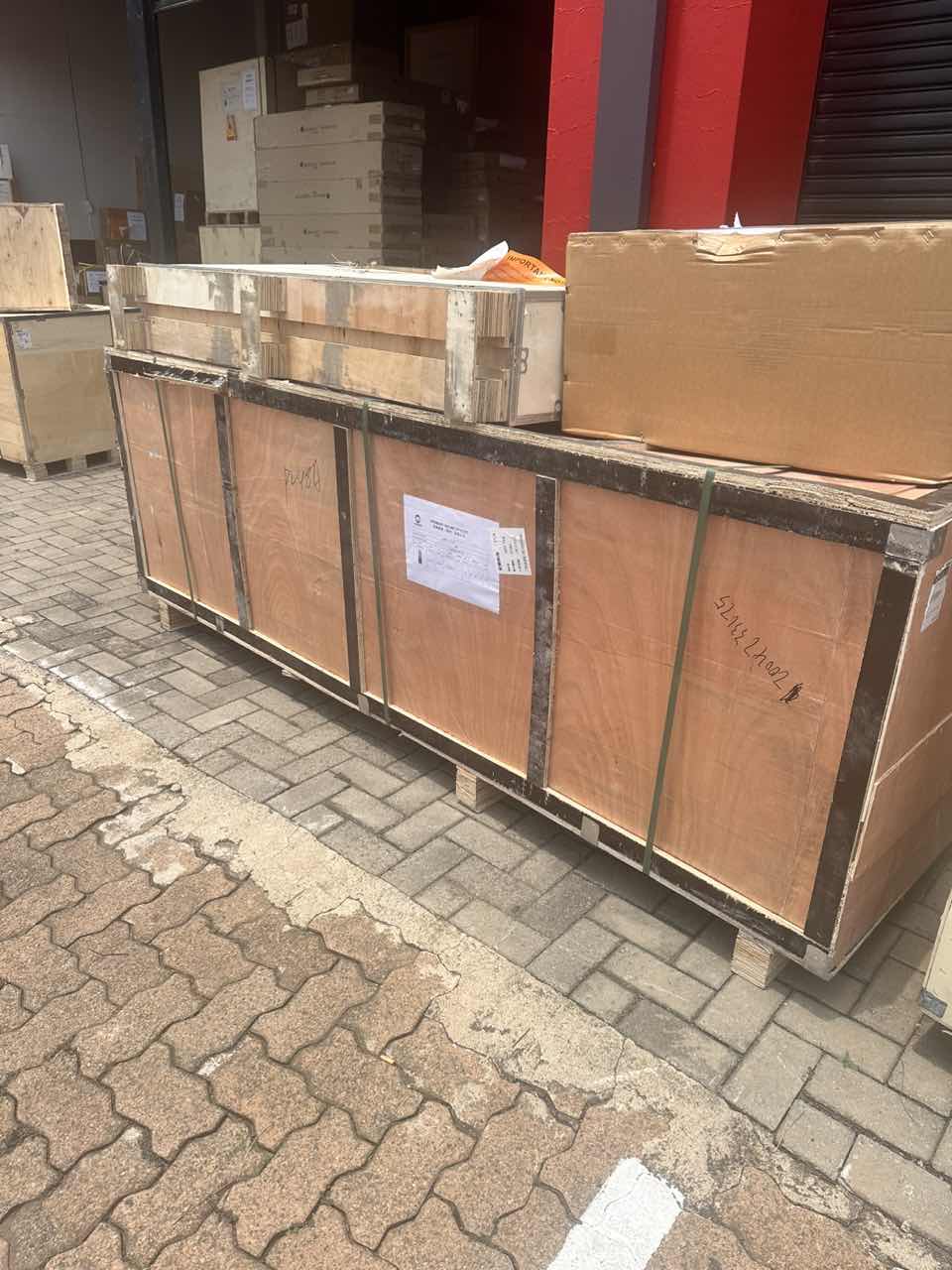
Pre Orders Offloading
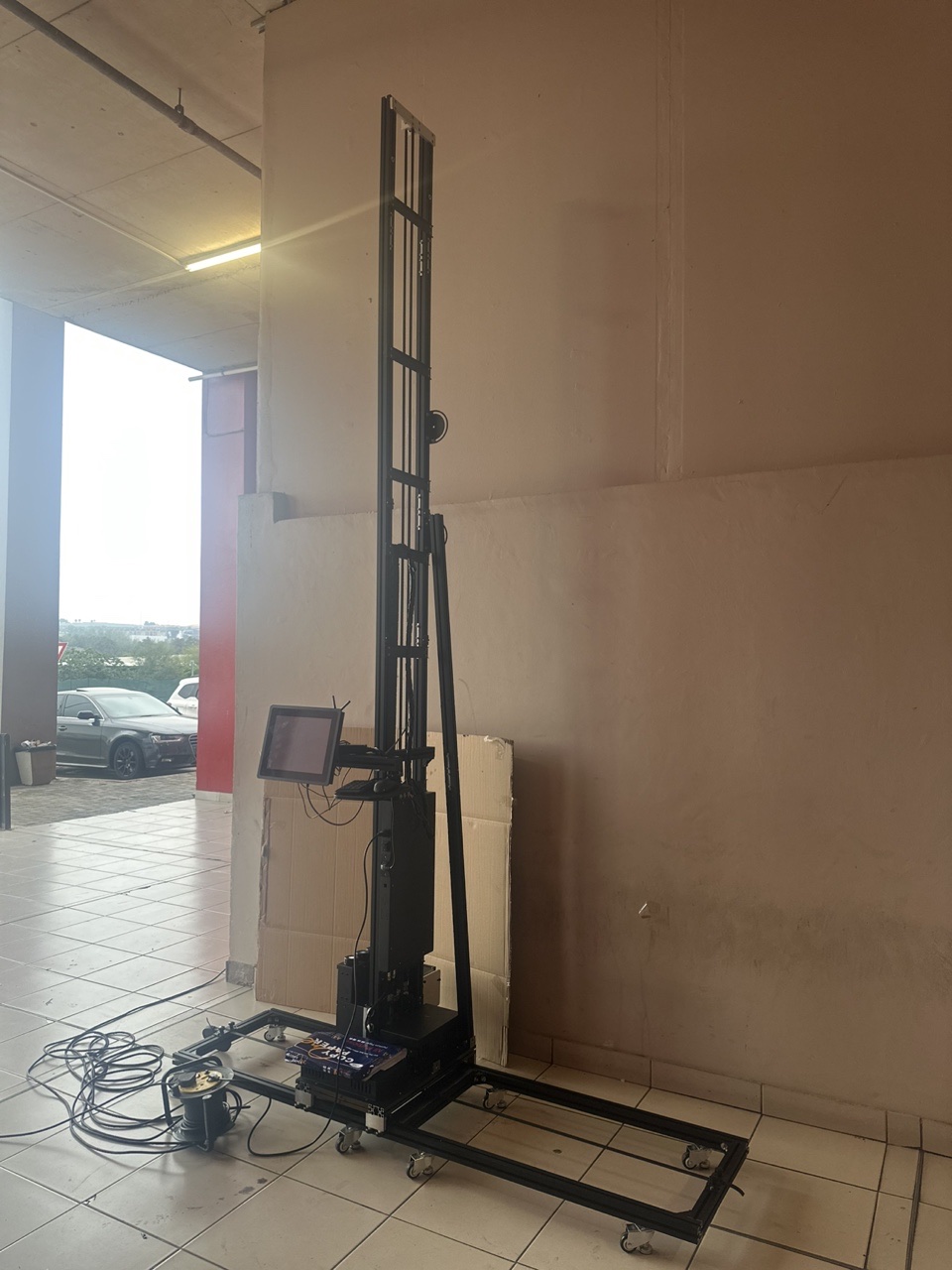
Latest Arrivals
Latest Arrivals
Latest Arrivals
Loading
Toilet paper making machine
Toilet paper making machine
Toilet paper Rewinding Machine
latest arrivals
offloading
order success
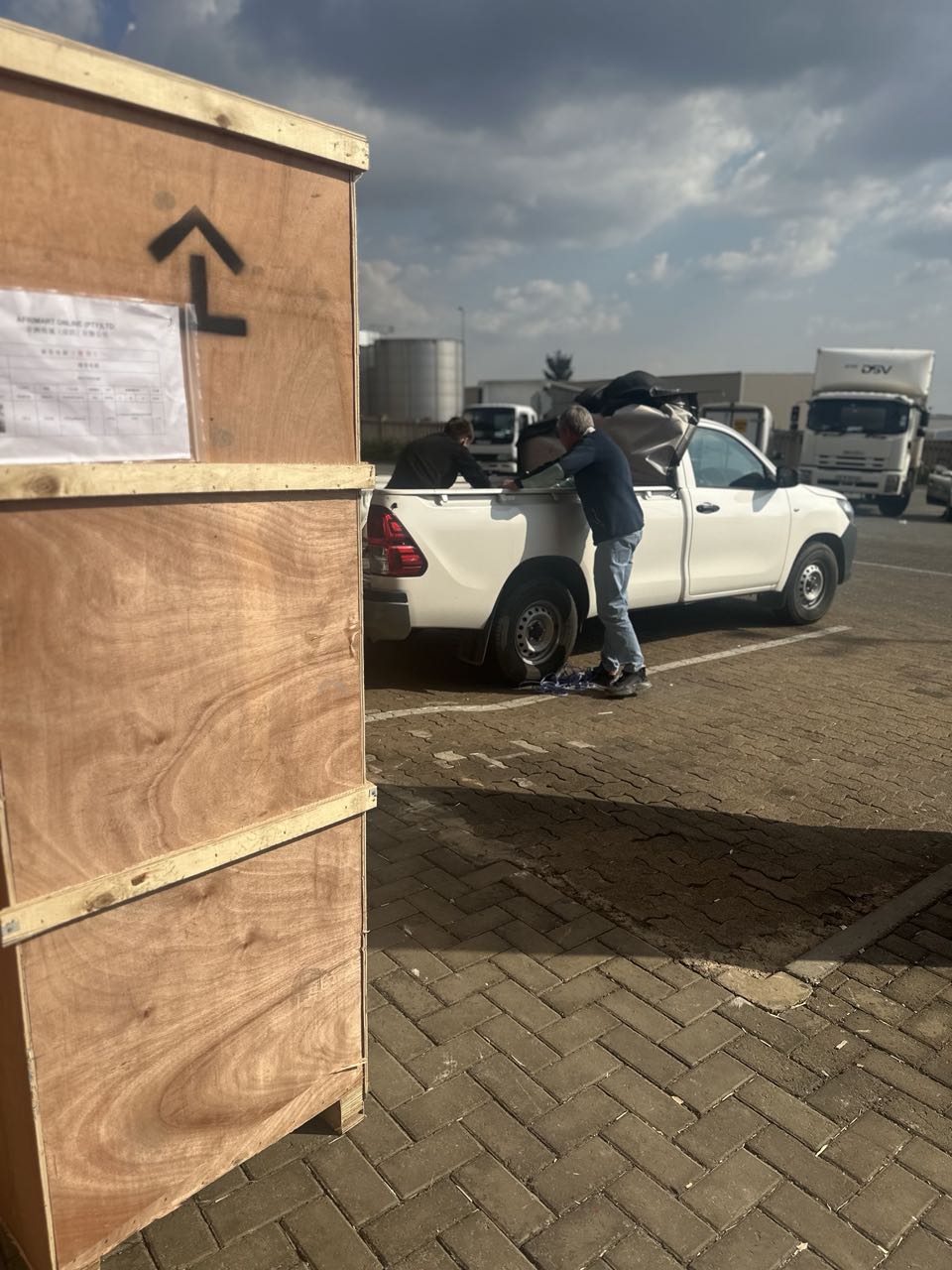
order collection
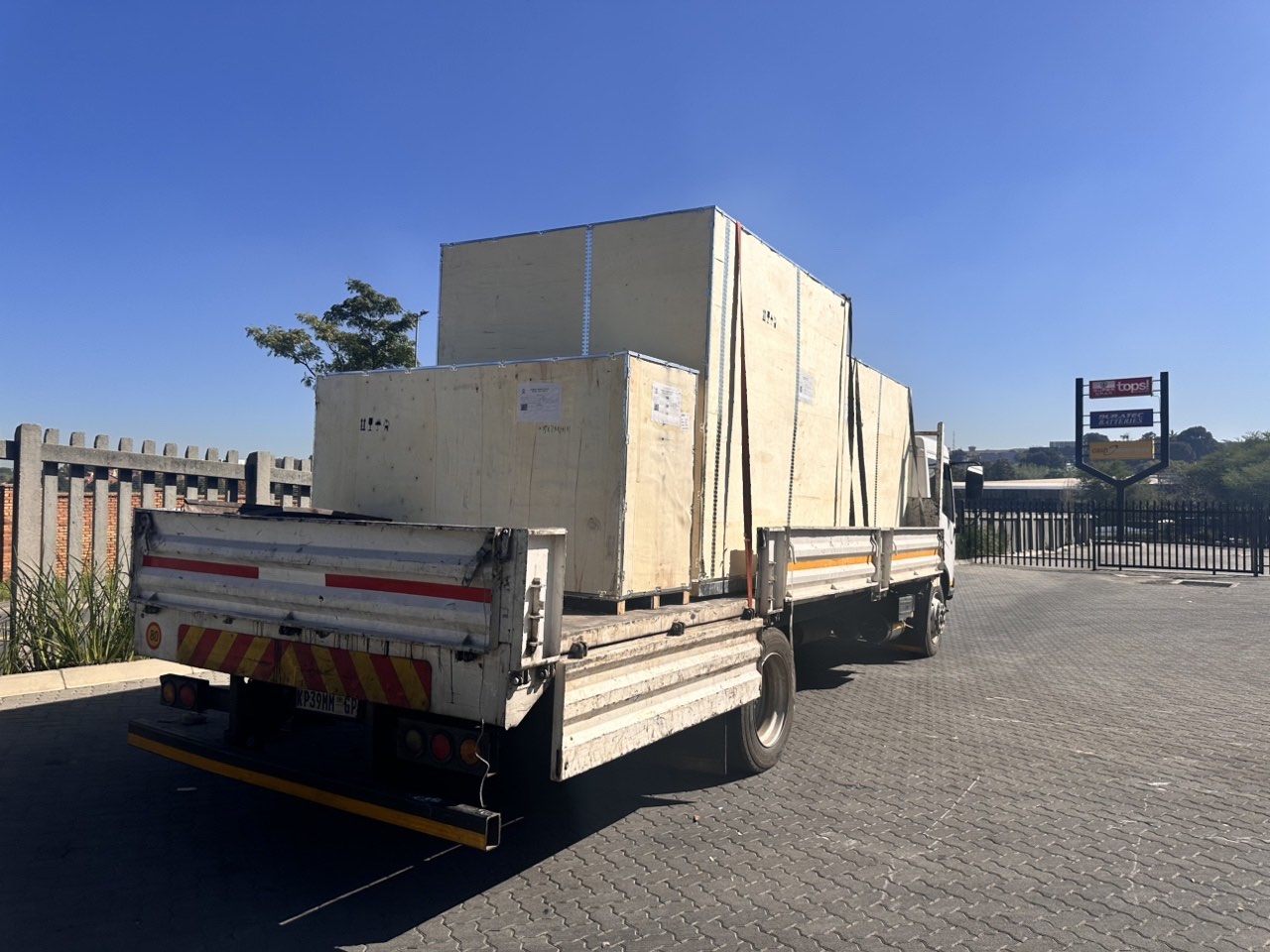
order offloading