B21, China Town Mall, Midrand

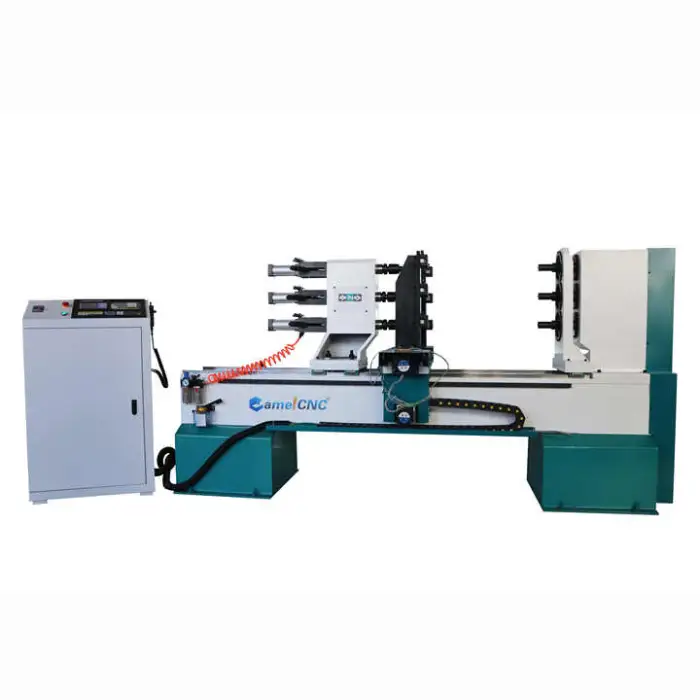
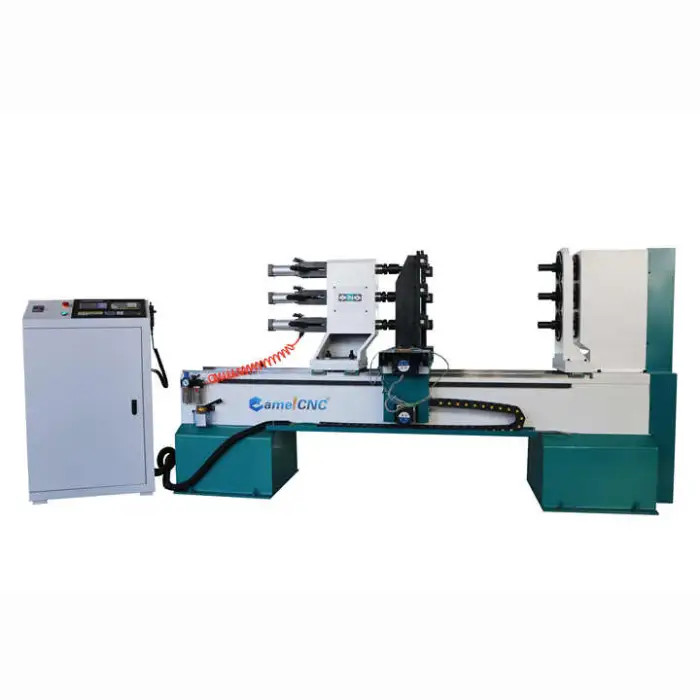
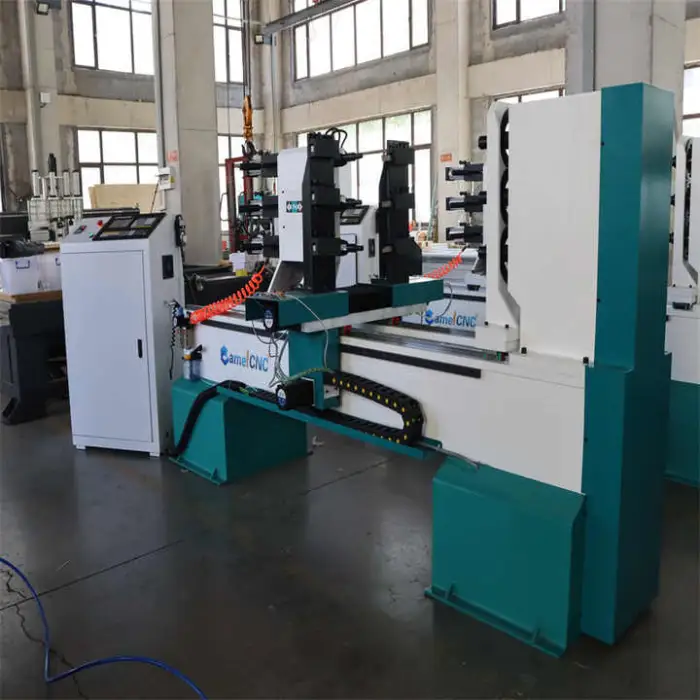
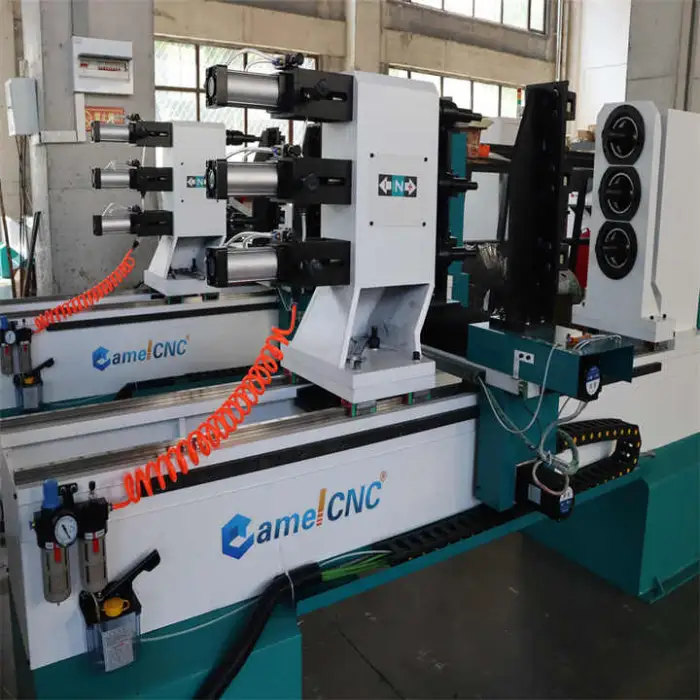
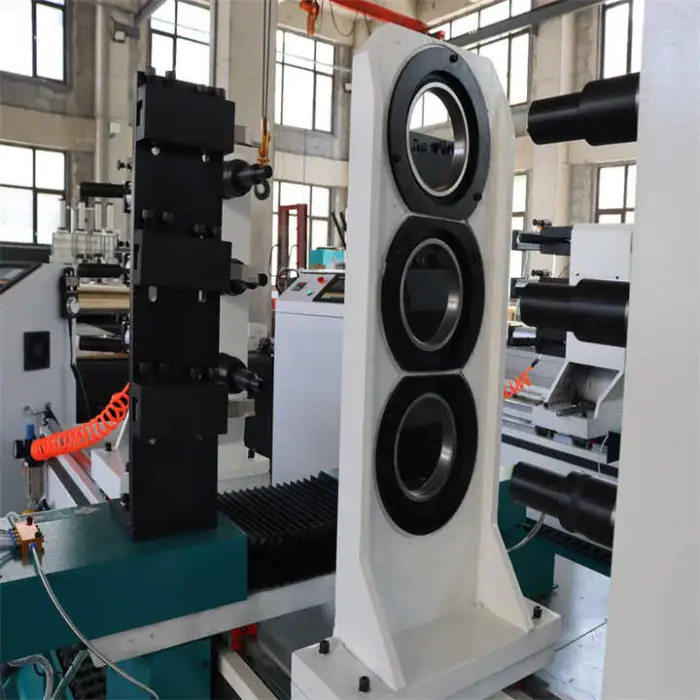
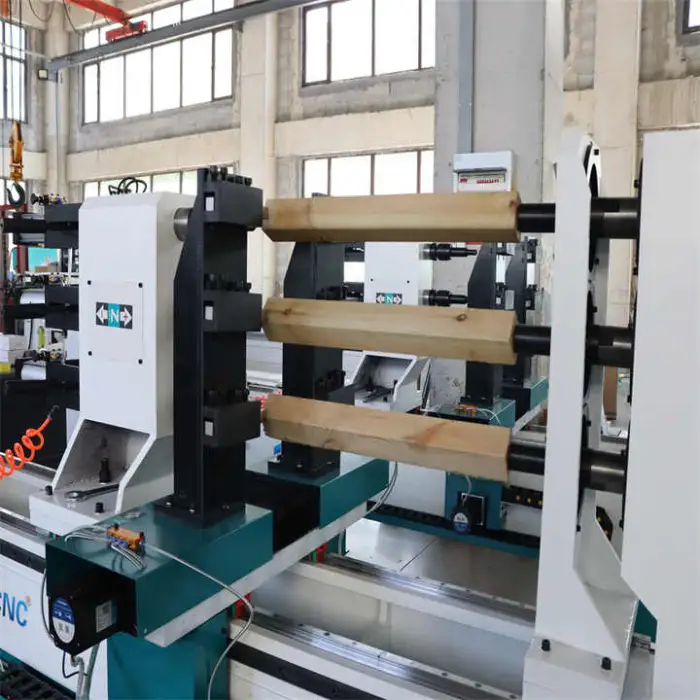
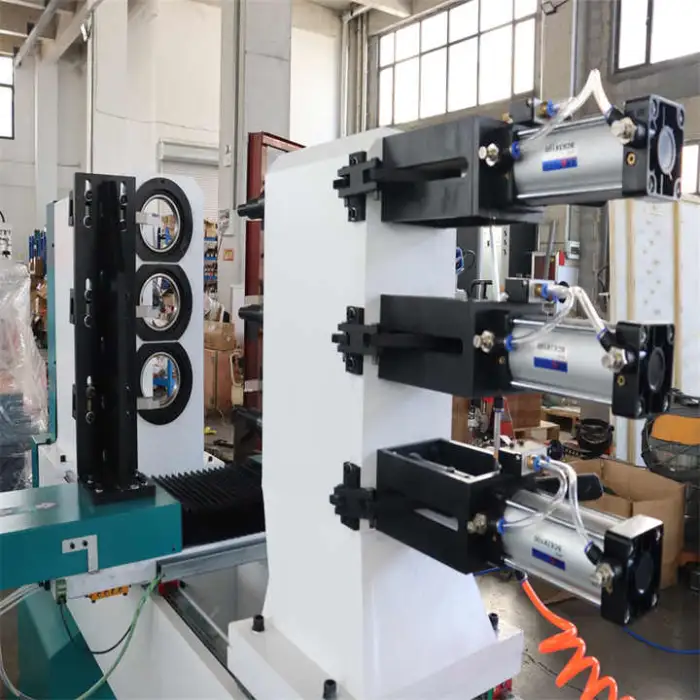
4 Axis Automatic Atc Cnc Wood Work Lathe Chucks Woodworking Machinery Turning Machine
Asset finance available
Do you want funding for this equipment?
Afrimart can connect you with trusted funding partners who specialise in asset finance for businesses like yours. Compare options and apply in minutes — final approval is subject to provider review.
Check funding options
Secure & no obligation

- Section : Machinery
- Category : CNC industrial Machinery
- SKU : 1601252279102

4 Axis Automatic ATC CNC Wood Work Lathe Chucks Woodworking Machinery Turning Machine
The 4 Axis Automatic ATC CNC Wood Work Lathe is a powerful machine designed for woodworking enthusiasts and professionals alike. This lathe makes it easy to turn and engrave wood, offering high productivity and precision. With its advanced features and sturdy construction, it is ideal for creating detailed wood projects efficiently.
Specifications
| Attribute | Details |
|---|---|
| Voltage | 220/380V 3PH 50/60HZ |
| Max. Swing Diameter (mm) | 300 |
| Max. Length of Workpiece (mm) | 1500 |
| Power (kW) | 5 - 10 |
| Weight (kg) | 1500 |
| Dimension (L*W*H) | 3100*1100*1700 mm |
| Brand Name | Jinan Camel CNC |
| Motor | Stepper Motor |
| Control System | DSP |
| Spindle | 3.5kW Air Cooling Spindle |
| Working Size | Max 300mm, Length 1500mm |
Key Features
- High productivity for efficient woodworking.
- Automatic feeding for ease of use.
- Robust cast steel structure for durability.
- Stepper motor for precise control.
- Comprehensive machinery test report provided.
- Video outgoing inspection for quality assurance.
Applications
- Wood turning for furniture making.
- Engraving designs on wooden surfaces.
- Creating wooden cylinders and dowels.
- Custom woodworking projects.
- Production of decorative wooden items.
Product Info Gallery
- Shipping Timeframes: All orders are processed within 2-5 business days (excluding weekends and holidays). After your order has been processed, the estimated delivery time is before 05 Aug, 2026, depending on customs, Please note that due to high demand, some items may experience longer shipping times, which will be communicated at order confirmation email.
- Order Processing Time: Please allow 2-5 business days for us to process your order before it is shipped . Orders placed after 16:00 on Fridays, or during weekends and public holidays, will begin processing on the next business day. Processing times may be extended during peak seasons or sales events.
- Manufacturing Time: Some products needs manufacturing time, the manufacturing process will take approximately 10-30 business days depending on the product. This timeframe may vary depending on the complexity of the product and current demand. but this will be communicated with you during order confirmation.
- Returns and Exchanges: We offer a 30-day return policy for most items. If you are not completely satisfied with your purchase, you may return it within 30 days of receipt for a refund or exchange. Items must be unused, in their original packaging, and accompanied by proof of purchase. Return shipping costs are the responsibility of the customer, unless the item was damaged or defective upon arrival.
1. What does "4 Axis Automatic ATC" mean for this wood lathe?
"4 Axis" refers to the machine having four controllable axes (typically X, Z, C plus an additional axis such as Y or a tailstock/rotary axis depending on configuration). "ATC" stands for Automatic Tool Changer, which lets the machine automatically swap tooling to reduce manual intervention and increase production efficiency.
2. What are the maximum workpiece dimensions this lathe can handle?
Maximum swing diameter is 300 mm and maximum workpiece length is 1500 mm.
3. What power and electrical supply does the machine require?
The machine is available for 220V or 380V three-phase (3PH) at 50/60 Hz. Total installed power ranges from 5 to 10 kW depending on configuration; the spindle itself is a 3.5 kW air-cooled spindle.
4. What control system and motors are used?
The machine uses a DSP control system and stepper motors for axis motion, providing precise position control for turning and engraving tasks.
5. What kinds of woodworking operations can this lathe perform?
It is suited for wood turning (furniture components, spindles, columns), engraving decorative patterns, producing wooden cylinders and dowels, and a variety of custom and production decorative items.
6. What types of chucks and tooling are supported?
The lathe supports standard lathe chucks (3-jaw, 4-jaw) and interchangeable tooling via the ATC. Specific chuck models and collets are available as options—confirm with the supplier which chuck types and tool holders are included or can be added.
7. Is this machine suitable for materials other than wood?
The machine is primarily designed for wood and similar non-ferrous/soft materials (certain plastics, composites). It is not intended for heavy metal cutting; machining metals would require different spindle, tooling, and machine design.
8. What level of precision can I expect?
The stepper-motor/DSP combination provides good repeatability and accuracy suitable for detailed woodworking. Exact tolerances depend on tooling, fixturing, and setup; contact the supplier for measured accuracy/tolerance data for your selected configuration.
9. What are the machine dimensions and weight for planning installation?
Overall dimensions are 3100 mm (L) x 1100 mm (W) x 1700 mm (H). The machine weight is approximately 1500 kg. A stable foundation and appropriate lifting equipment are recommended for installation.
10. What incoming inspection and quality assurance are provided?
The machine comes with a comprehensive machinery test report and video outgoing inspection to document performance and condition prior to shipment.
11. What maintenance is required to keep the lathe running reliably?
Routine maintenance includes cleaning chips and dust, lubricating guideways and slides as recommended, inspecting belts and fasteners, checking spindle and tool-holder condition, and ensuring proper electrical grounding. Follow the manufacturer’s maintenance schedule and contact support for service intervals.
12. What safety features should I expect and what safety precautions are recommended?
Typical safety features include emergency stop, proper guarding around moving parts, and electrical protection. Operators should wear PPE (eye/respiratory protection), secure workpieces properly, and receive training before operating. Ensure machine grounding and follow local safety regulations.
13. Which software and file formats are supported by the DSP control?
DSP-based systems commonly accept G-code and files exported from standard CAM/CAD packages. Compatibility can vary—check with the supplier for a list of supported formats and recommended CAM software or for assistance converting files.
14. What warranty, spare parts, and technical support are available?
Warranty terms and after-sales service depend on the seller and distributor. Jinan Camel CNC provides manufacturer support; confirm warranty length, spare parts availability, and support options (remote guidance, on-site service) with your supplier prior to purchase.
15. Are there optional accessories or customization options available?
Yes. Common options include different chuck types, additional tool magazines for the ATC, tailstock configurations, upgraded spindles, dust extraction attachments, and software packages. Contact the supplier to discuss available options and custom configurations to meet your production needs.
Latest Order Arrivals
Discover our latest orders
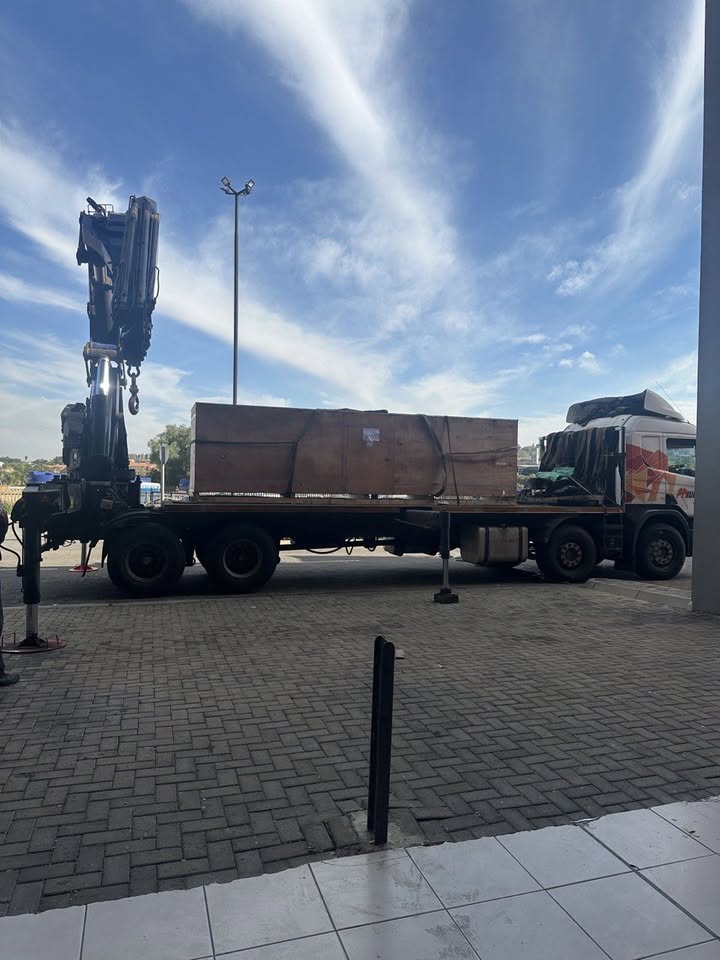
12 Heads Embroidery Machine
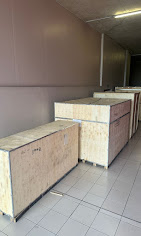
Toilet Paper Machine Machine
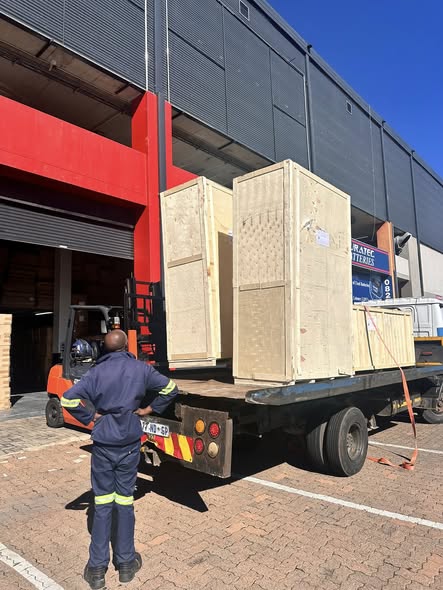
Order Collection
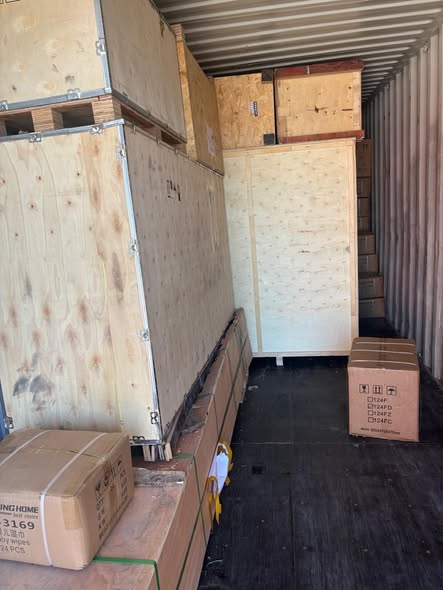
Cross Border Clients
Order cros border countries Collected
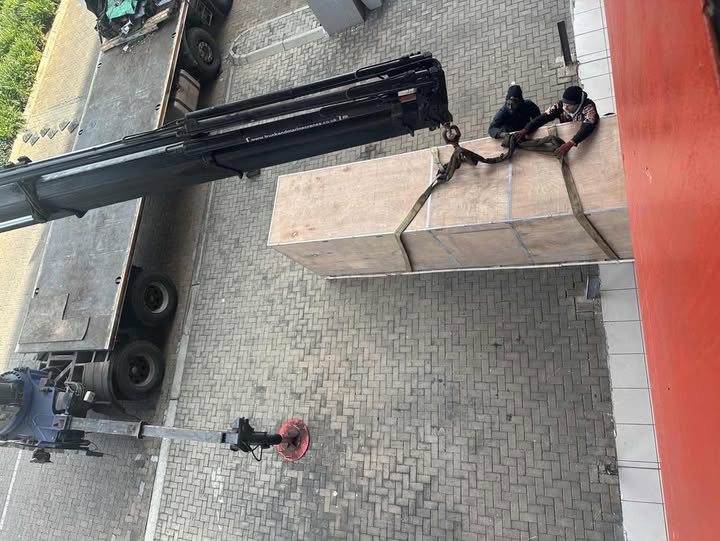
Industrial Machine Cllection
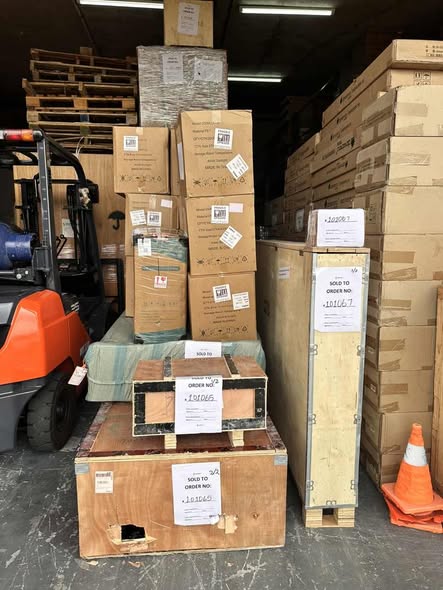
Agriculture Processing Machines
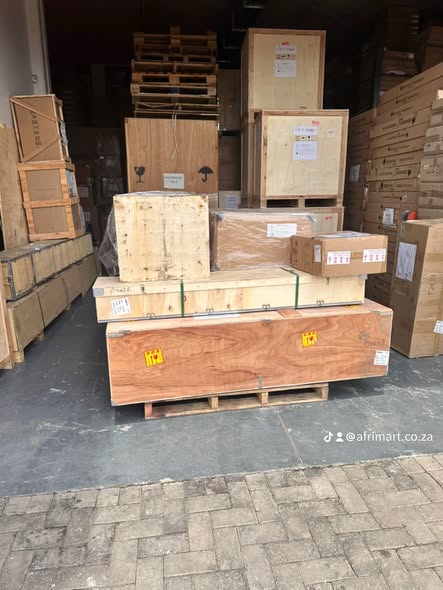
Ready for collection
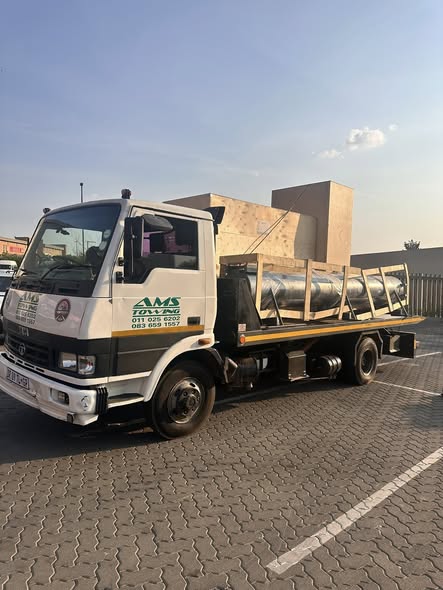
Water Pump Equipment
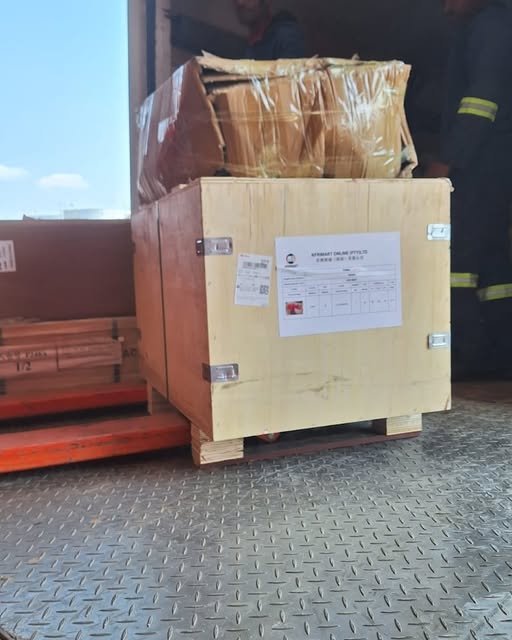
Packaging Machine and accessories
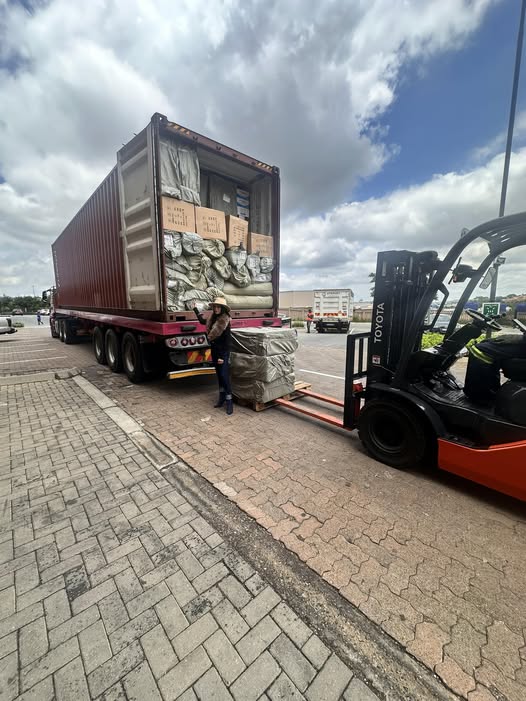
Fabrics Manufacturing Equipment
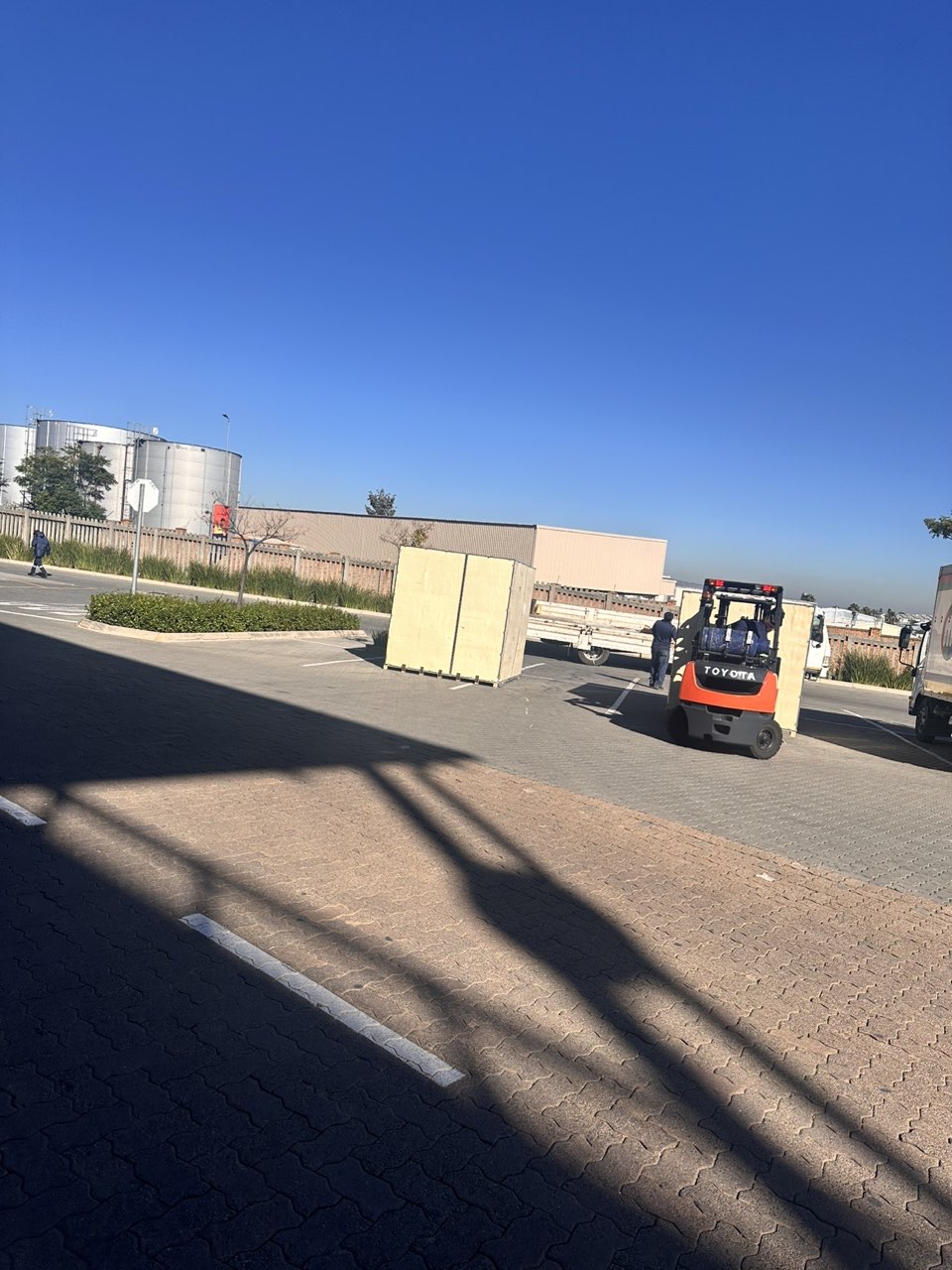
Mining Equipments
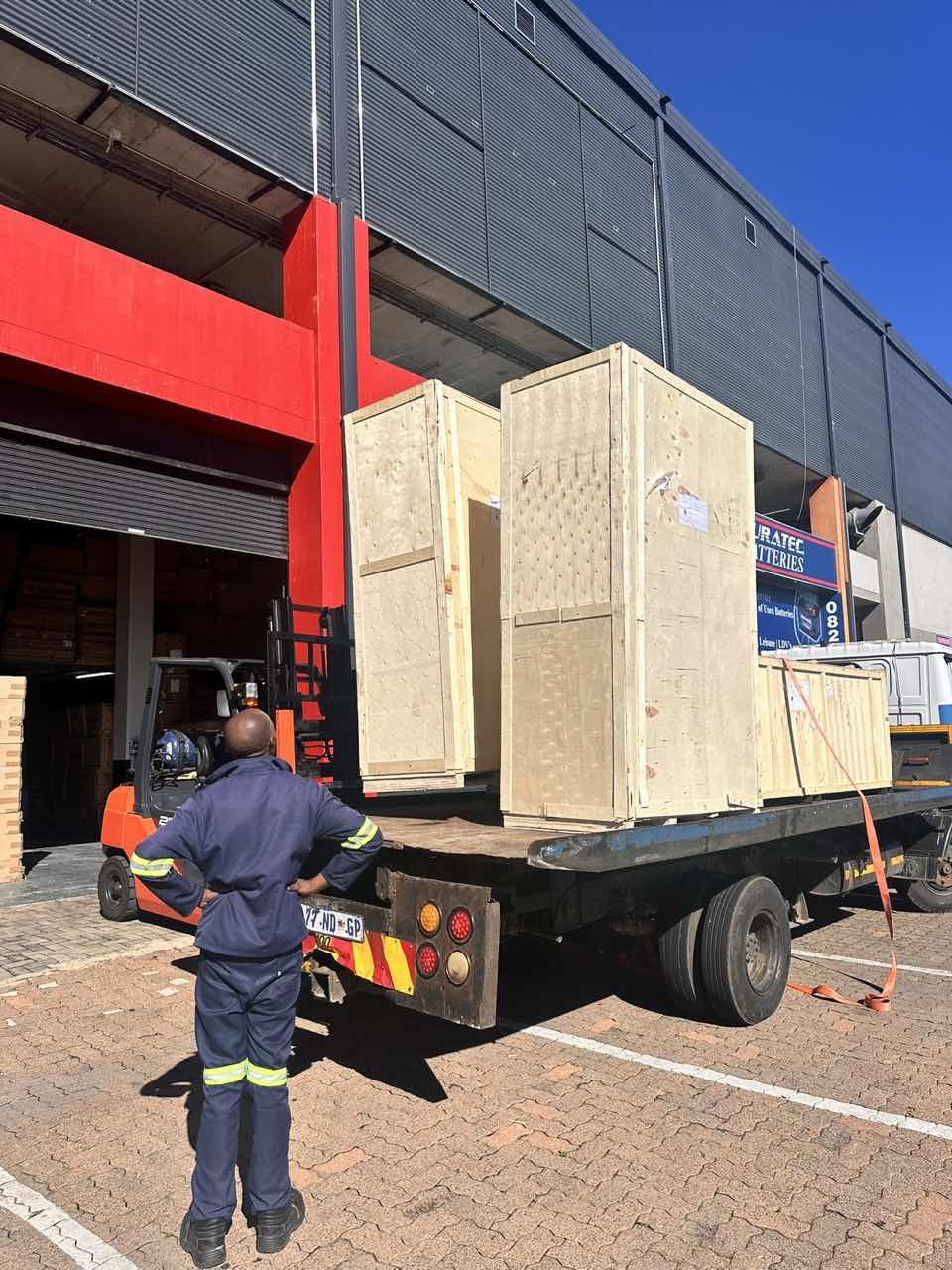
Food Processing Machine
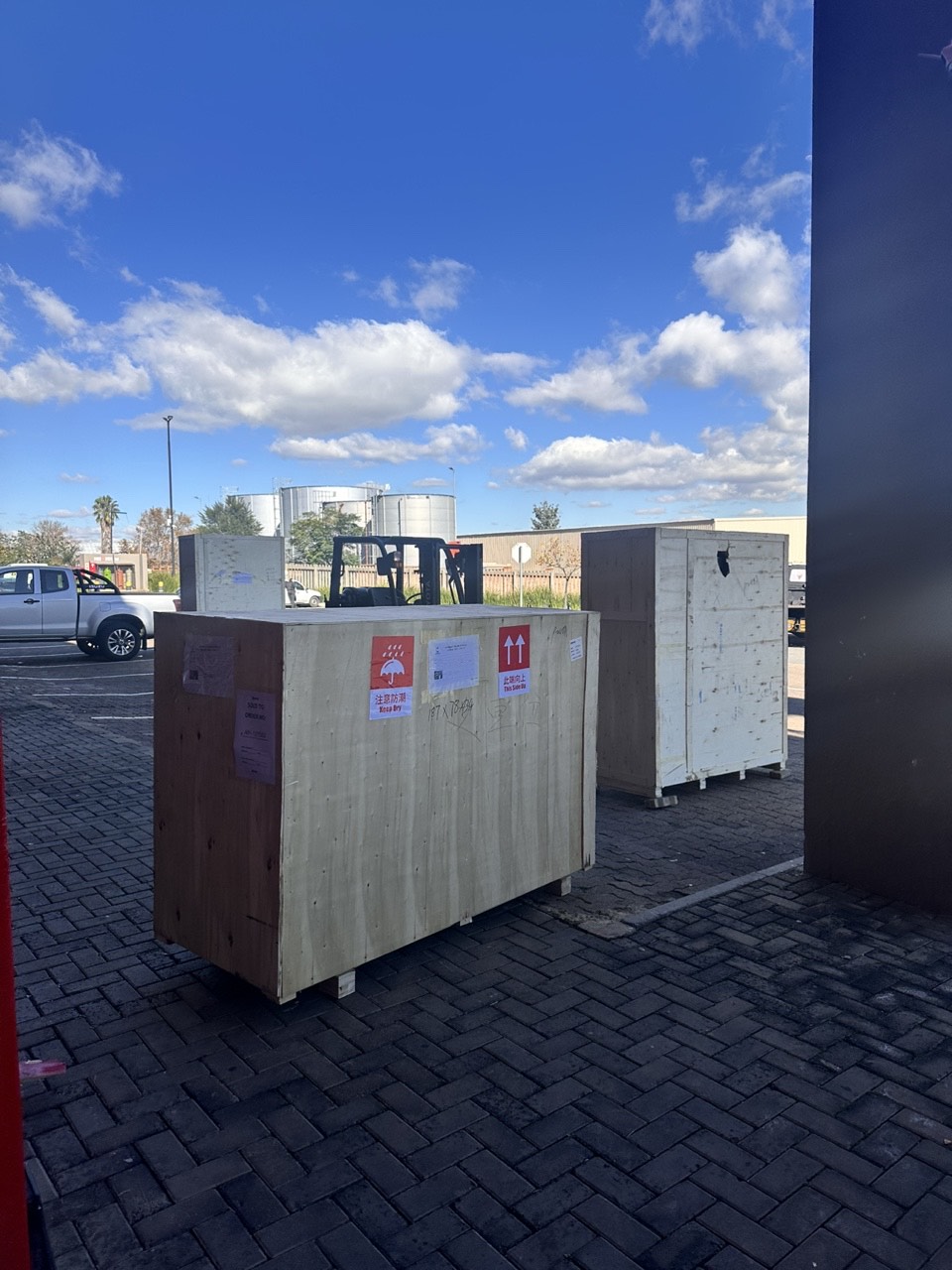
Batch of Orders
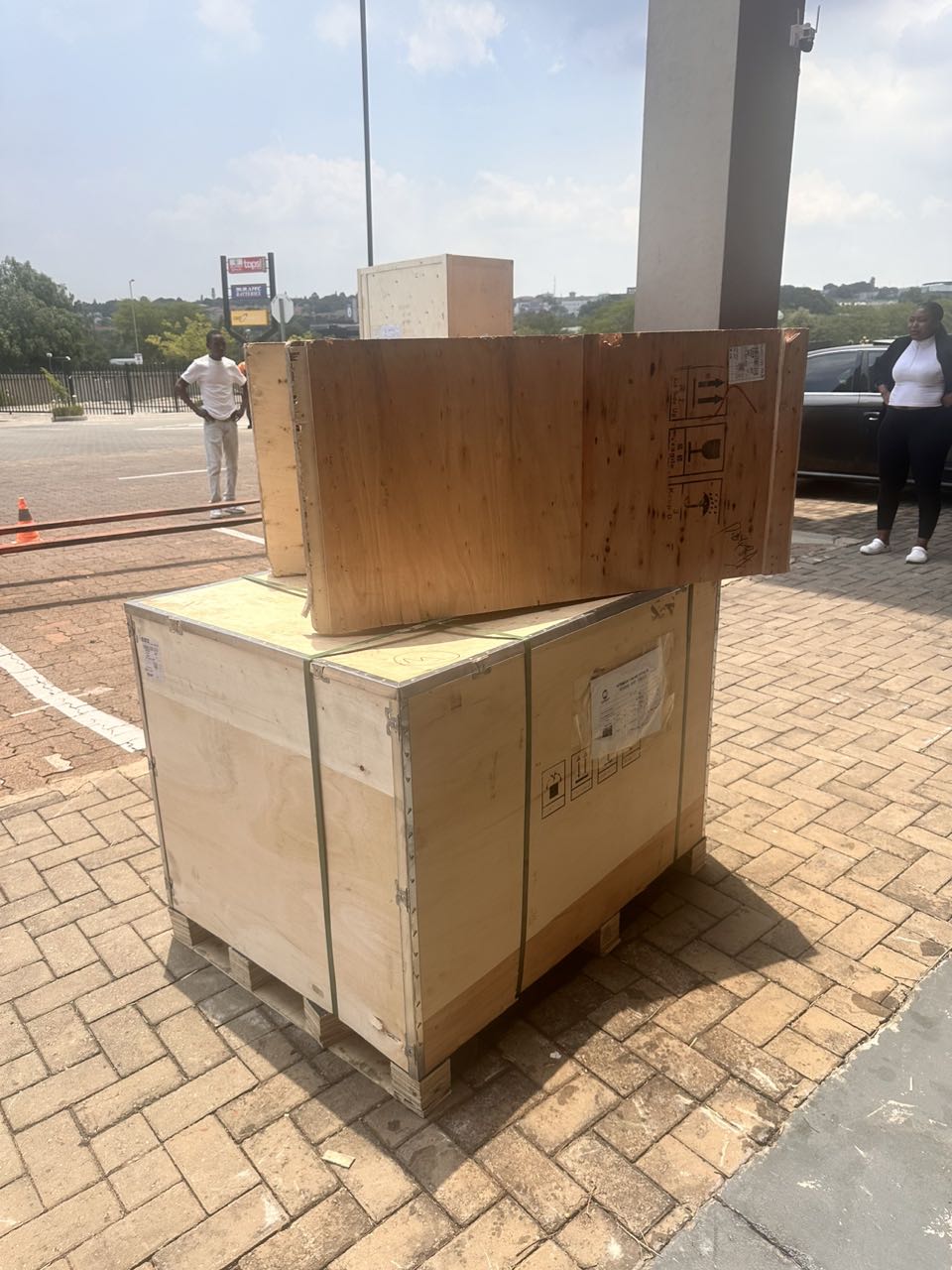
Batch of Orders
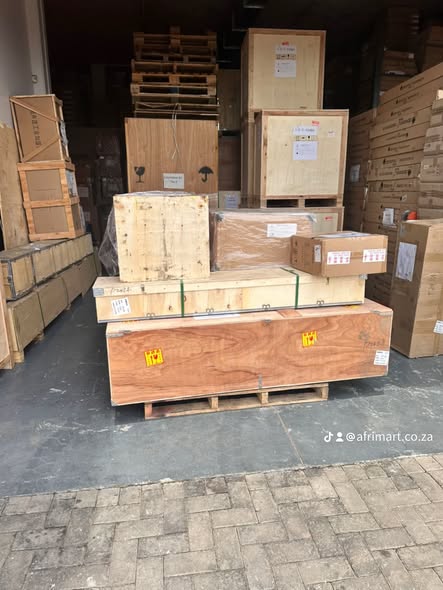
Latest Orders Labelled
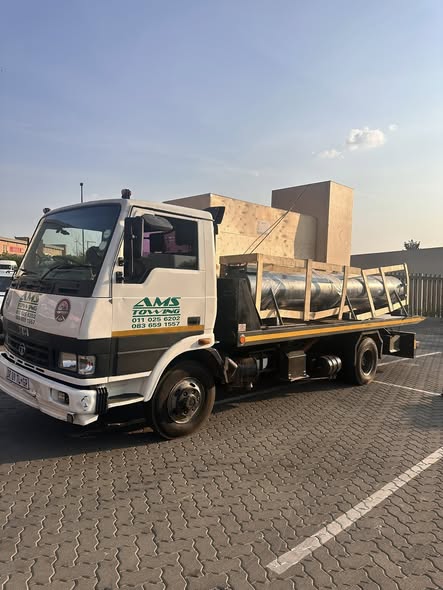
wheel alignment machines
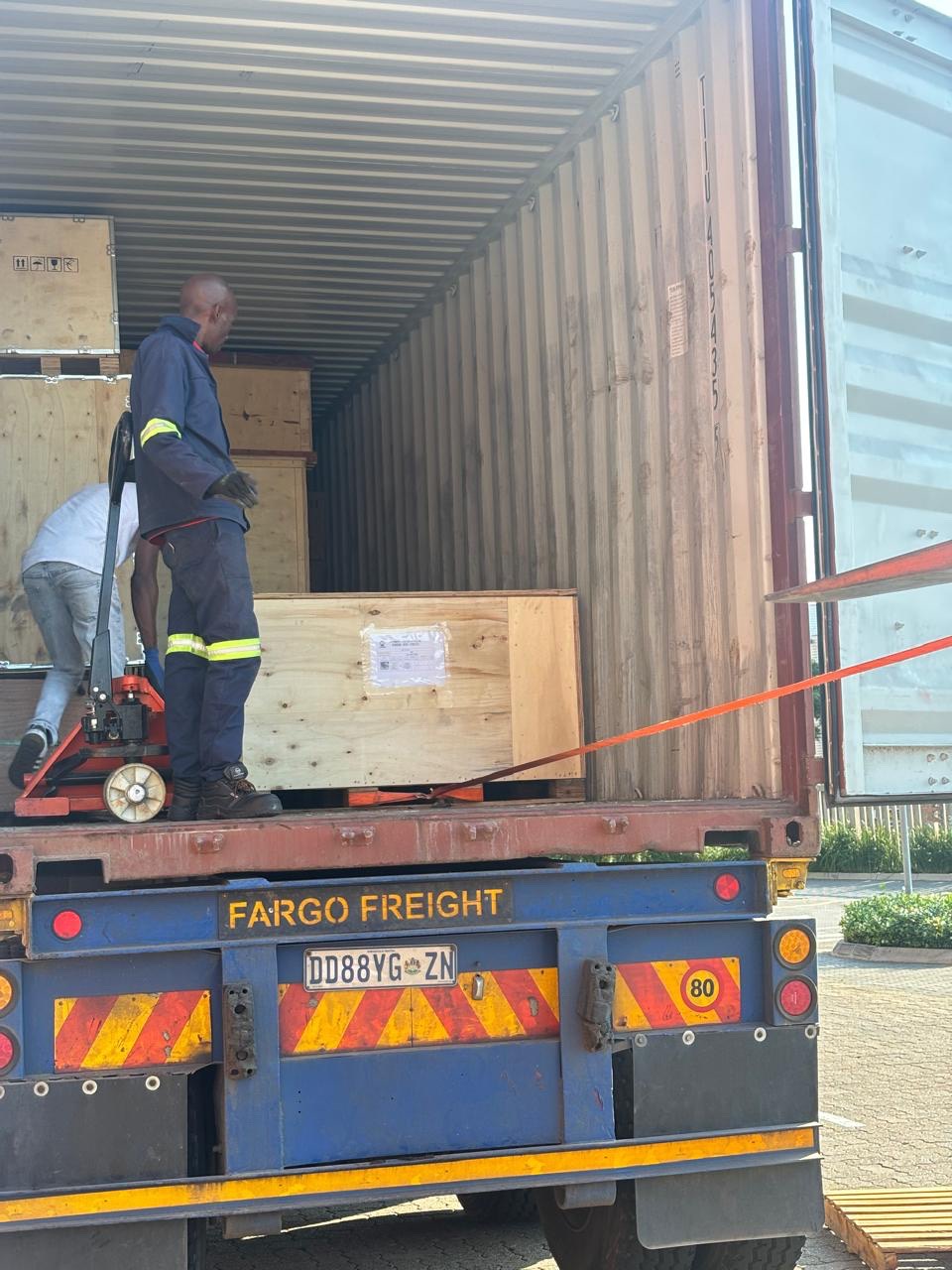
new arrivals
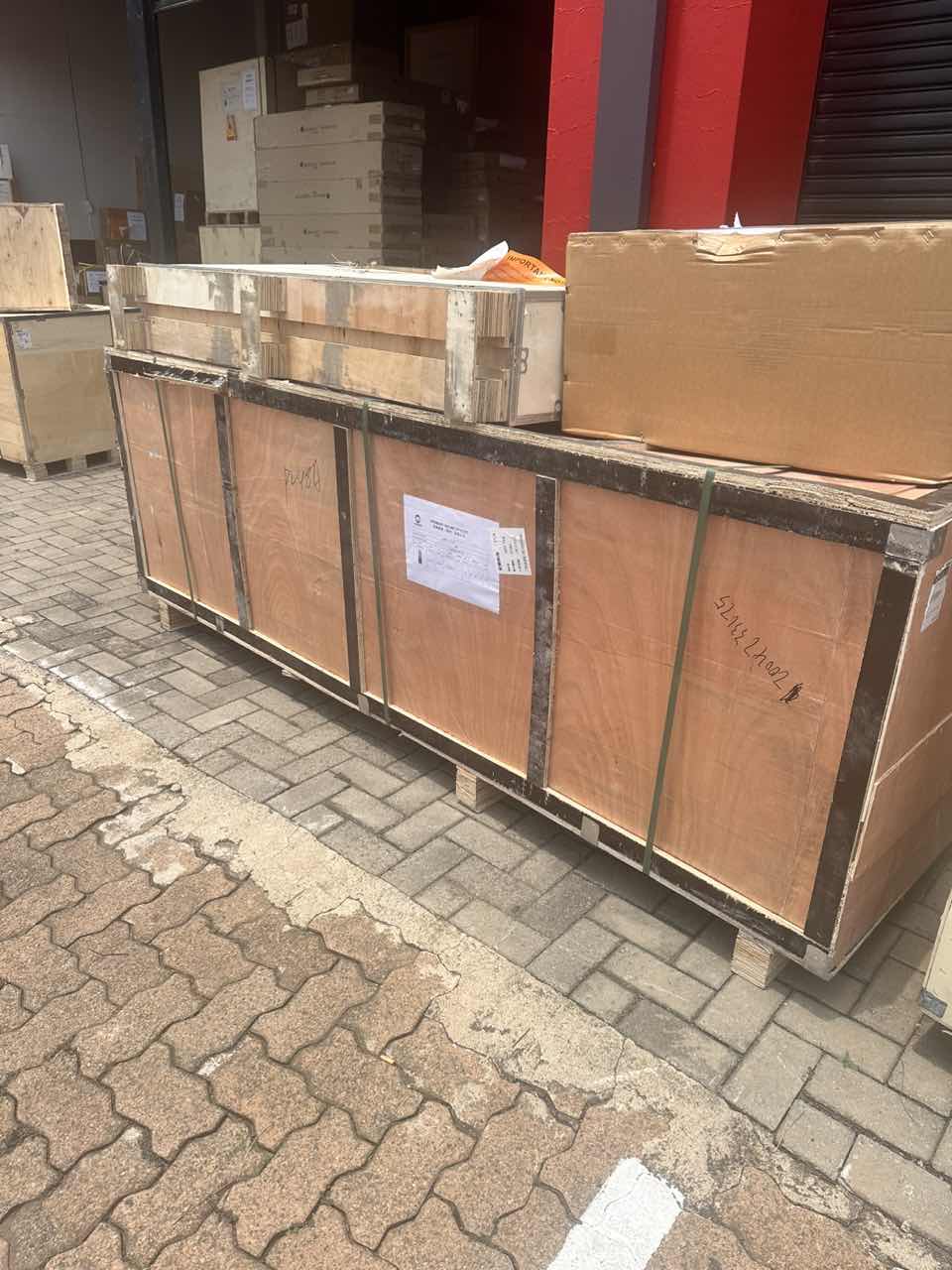
Pre Orders Offloading
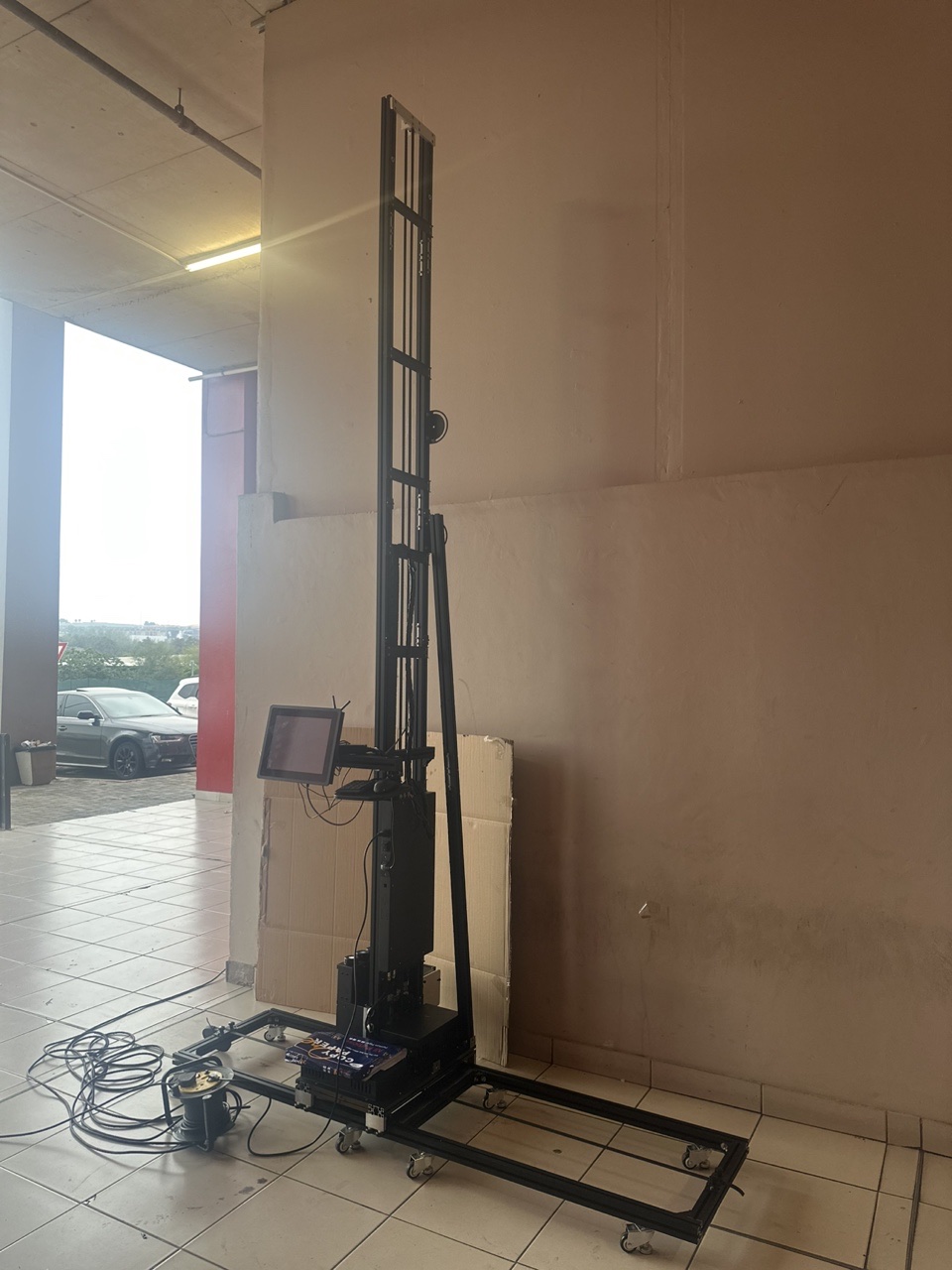
Latest Arrivals
Latest Arrivals
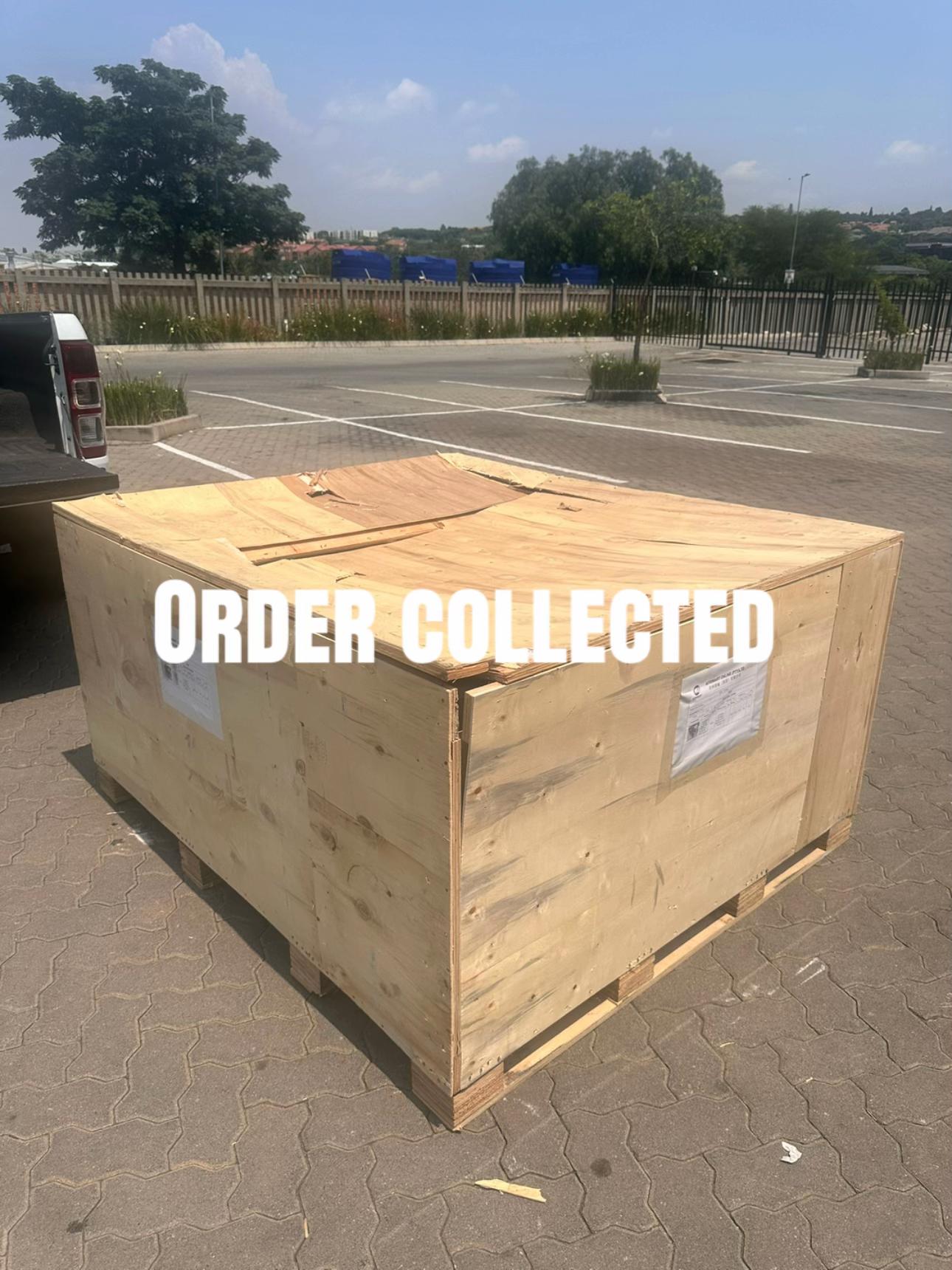
Latest Arrivals
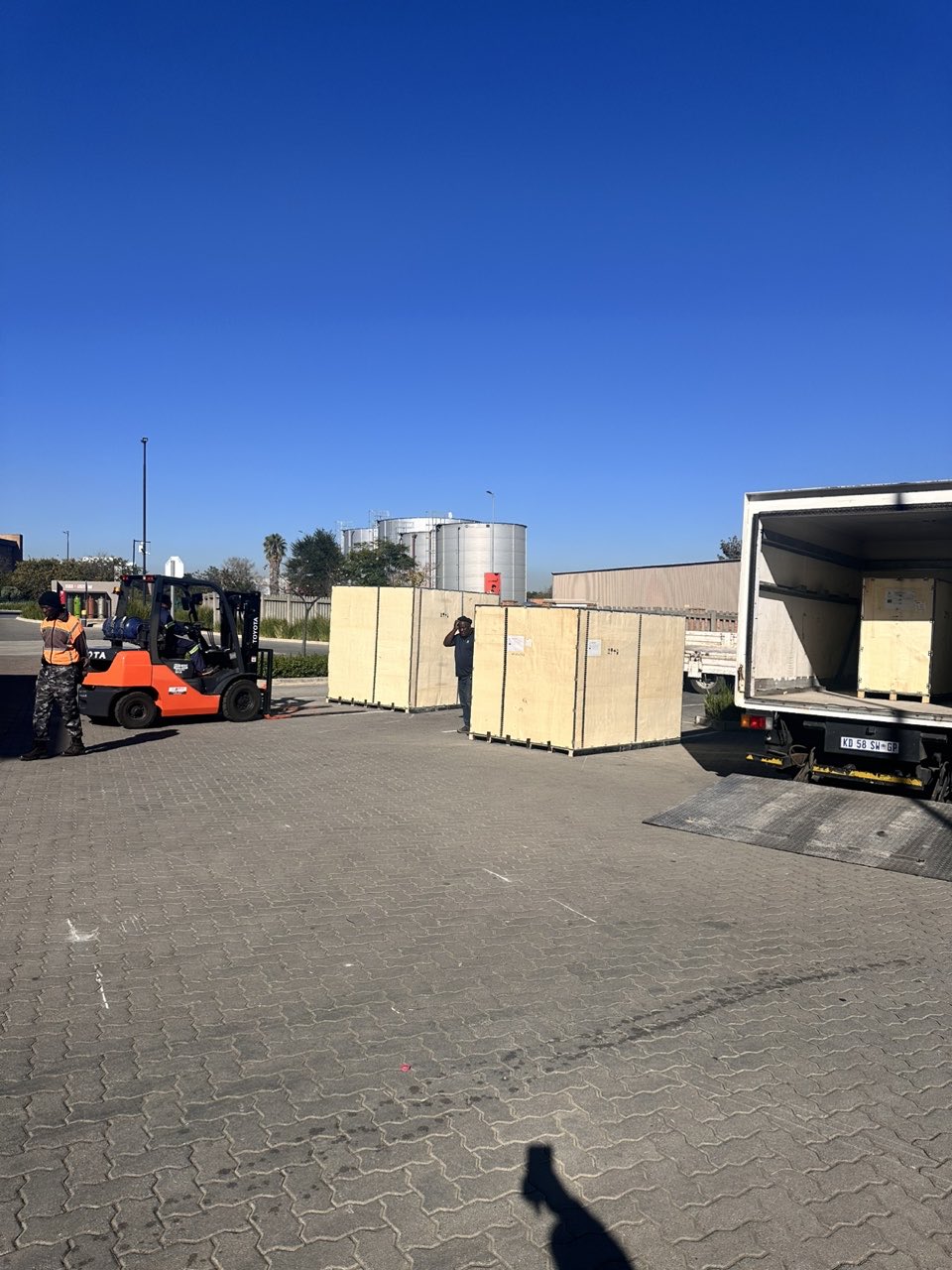
Loading
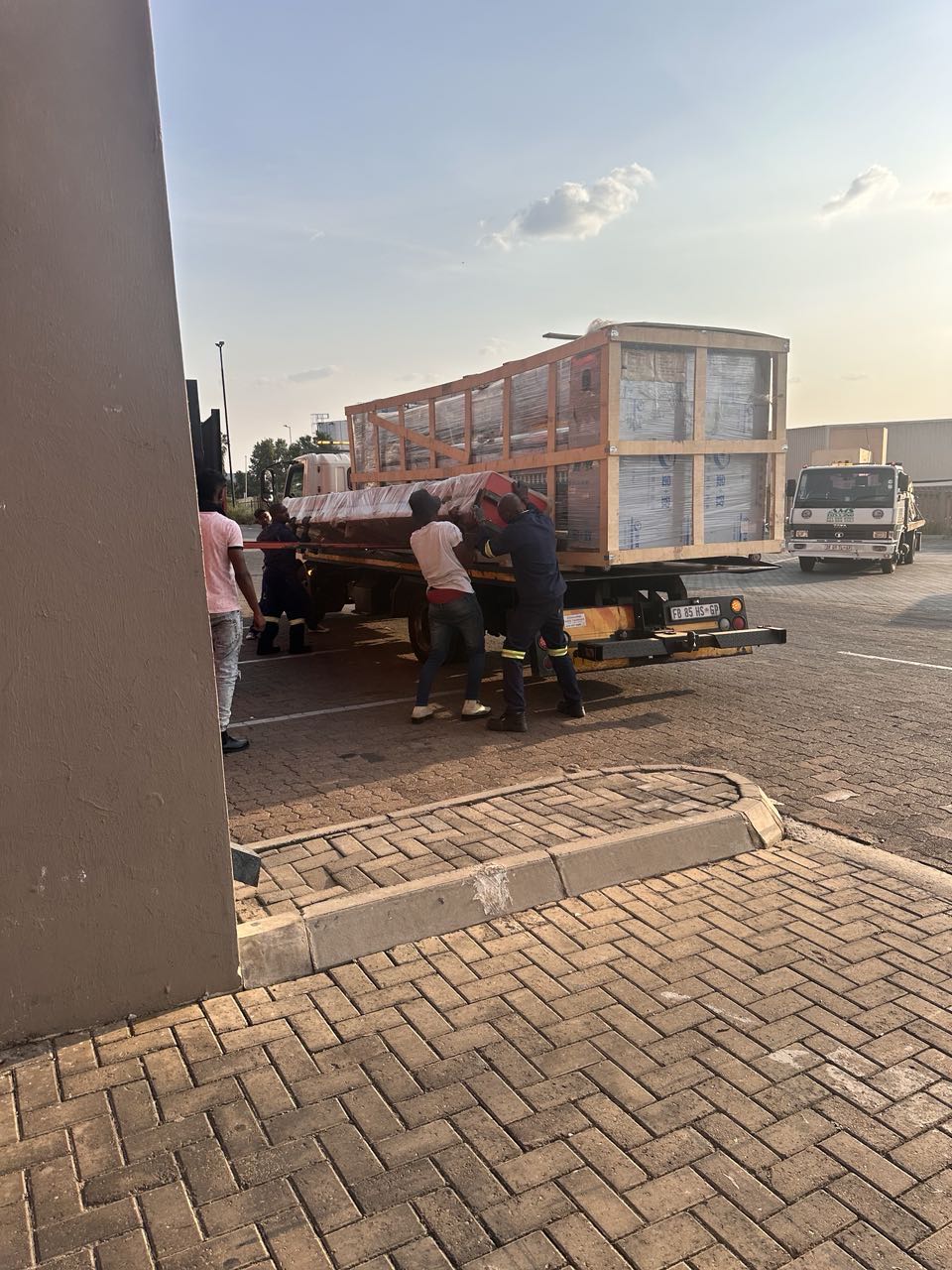
Toilet paper making machine
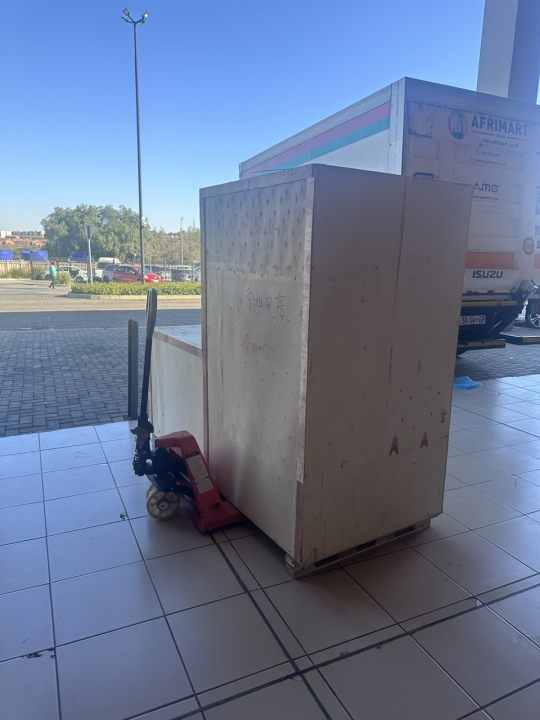
Toilet paper making machine
Toilet paper Rewinding Machine
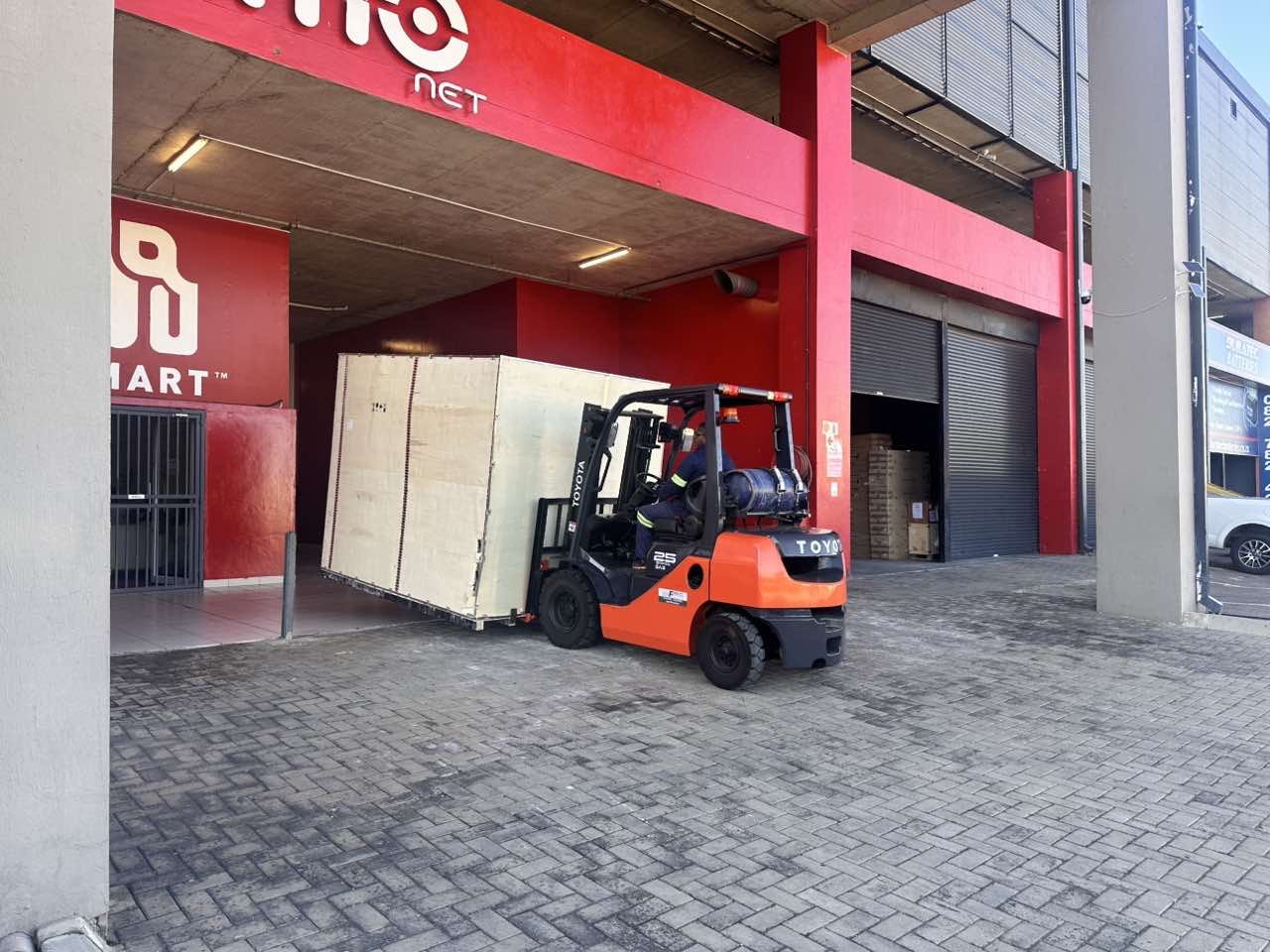
latest arrivals
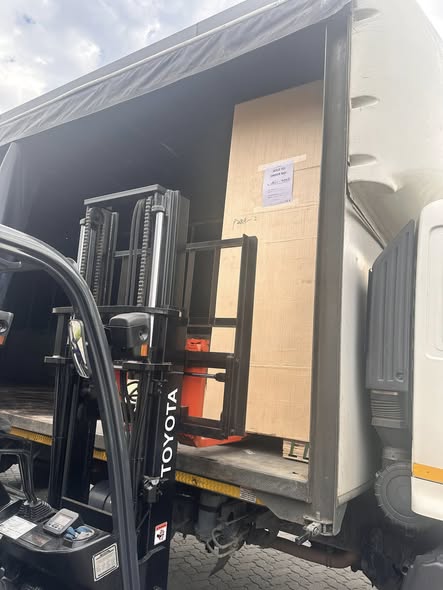
offloading
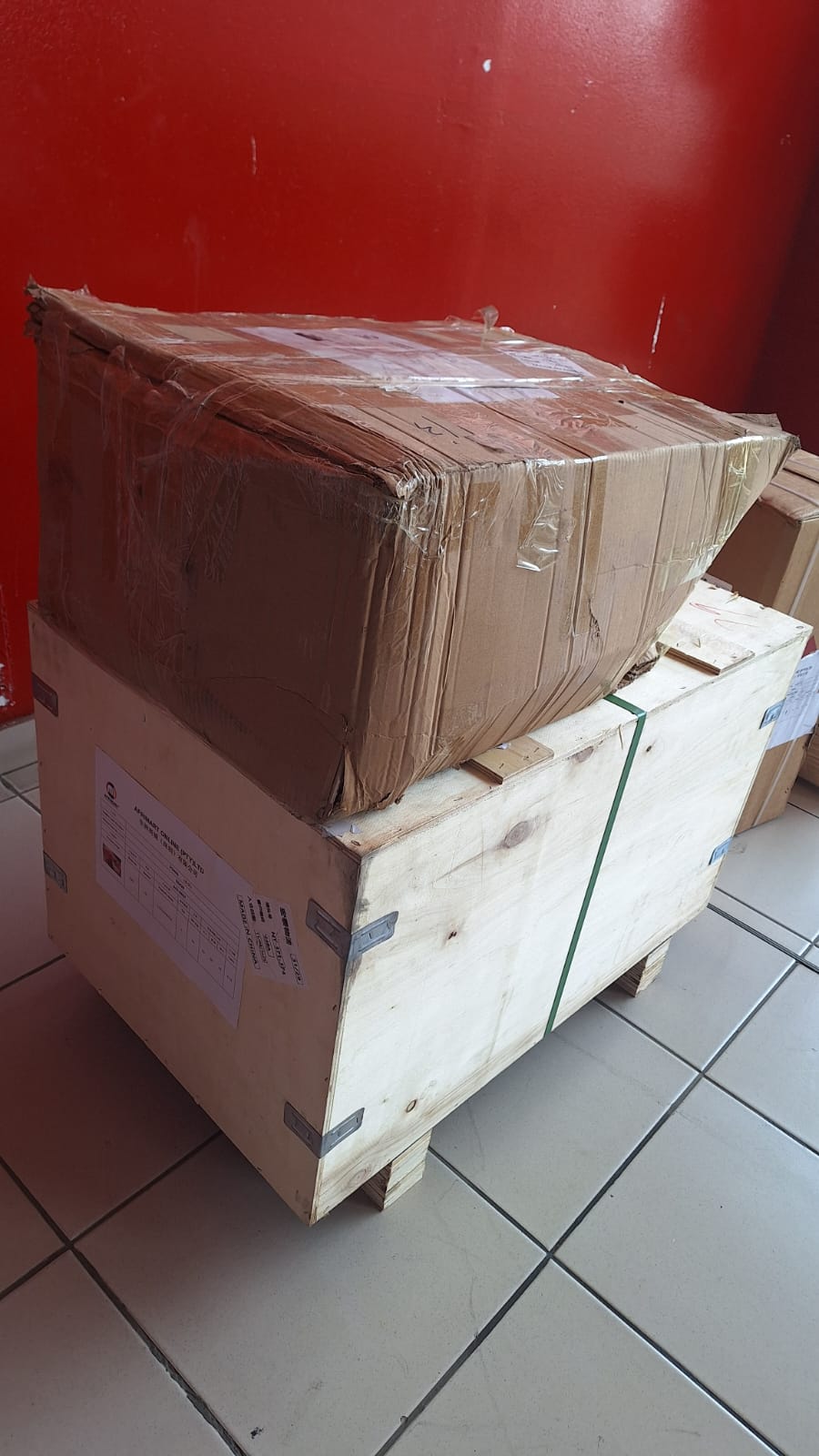
order success
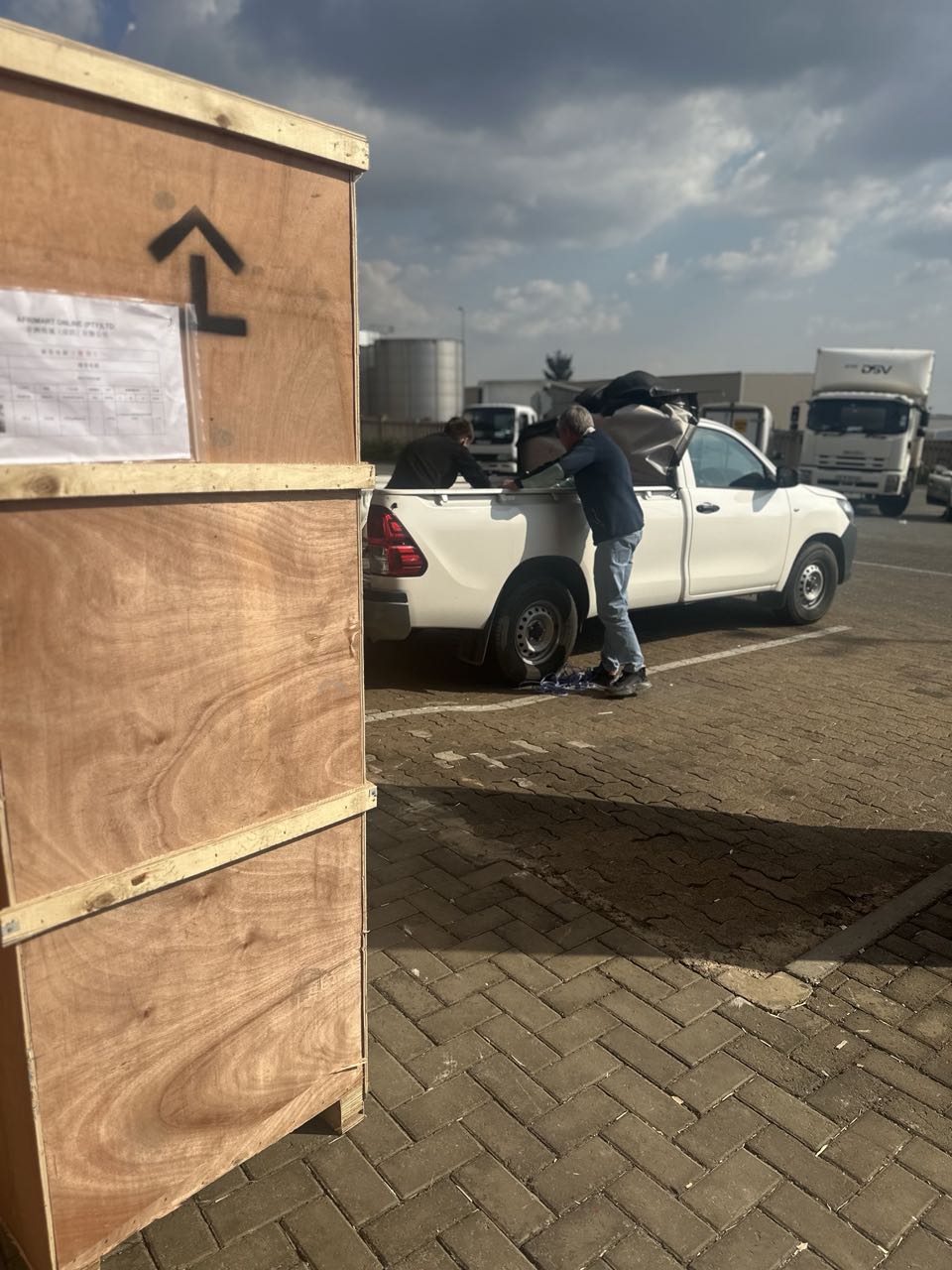
order collection
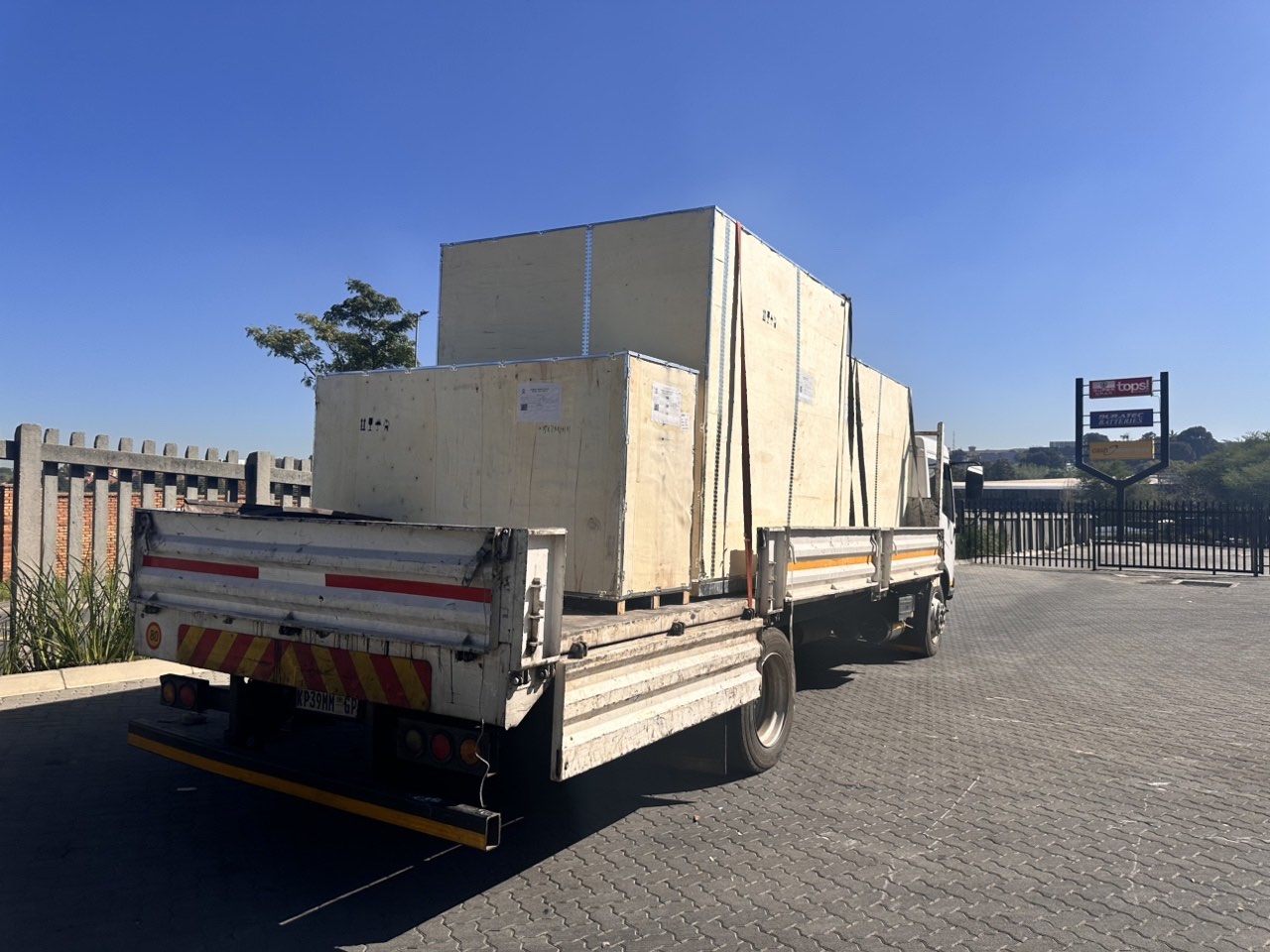
order offloading