B21, China Town Mall, Midrand

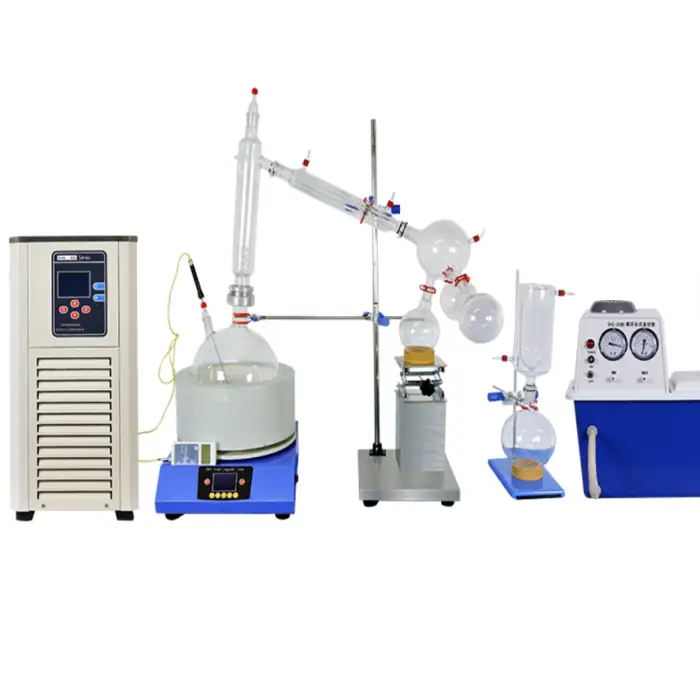
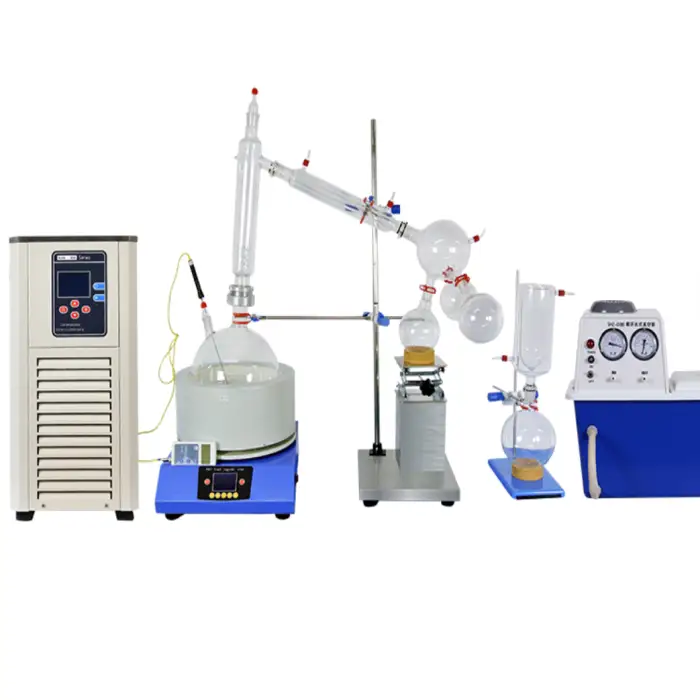
2L Laboratory Short Path Head Distillation Kit Process Complete Equipment

- Section : Consumer Electronics
- Category : Lab Supplies
- SKU : 60800493518

- Shipping Timeframes: All orders are processed within 2-5 business days (excluding weekends and holidays). After your order has been processed, the estimated delivery time is before 13 Aug, 2026, depending on customs, Please note that due to high demand, some items may experience longer shipping times, which will be communicated at order confirmation email.
- Order Processing Time: Please allow 2-5 business days for us to process your order before it is shipped . Orders placed after 16:00 on Fridays, or during weekends and public holidays, will begin processing on the next business day. Processing times may be extended during peak seasons or sales events.
- Manufacturing Time: Some products needs manufacturing time, the manufacturing process will take approximately 10-30 business days depending on the product. This timeframe may vary depending on the complexity of the product and current demand. but this will be communicated with you during order confirmation.
- Returns and Exchanges: We offer a 30-day return policy for most items. If you are not completely satisfied with your purchase, you may return it within 30 days of receipt for a refund or exchange. Items must be unused, in their original packaging, and accompanied by proof of purchase. Return shipping costs are the responsibility of the customer, unless the item was damaged or defective upon arrival.
1. What is a Laboratory Short Path Head Distillation Kit and what is it used for?
A short path head distillation kit is a laboratory glassware assembly designed to perform short path (molecular) distillation under high vacuum. It's used to purify heat‑sensitive or high‑boiling compounds by reducing the distance vapor travels before condensation, minimizing thermal decomposition. Common applications include purification of pharmaceuticals, natural products, fine chemicals, and essential oils.
2. What components are typically included in a complete short path distillation kit?
A complete kit usually includes a short path distillation head (condenser), boiling flask(s), receiving flask(s), cold traps, adapters, clamps, thermometers or temperature probes, PTFE stopcocks, a heated mantle or oil bath compatible flask support, and necessary tubing and seals (e.g., silicone or Viton). Some kits also include a cold finger or external condenser and basic assembly tools.
3. What materials are the glassware and seals made from?
High‑quality kits generally use borosilicate glass (e.g., 3.3 glass) for all vacuum and distillation components. Seals and gaskets are commonly PTFE, silicone, or Viton depending on chemical compatibility and temperature requirements. Ask the supplier for exact materials if you need specific chemical resistance.
4. What vacuum level is required for short path distillation?
Short path distillation typically operates under high vacuum to achieve reduced boiling points and minimize thermal exposure. Typical operating vacuums are in the range of 10^(-2) to 10^(-3) mbar (roughly 0.01 to 0.001 mbar) for sensitive compounds, but required vacuum depends on the material being distilled. A suitable high‑vacuum pump (rotary vane + mechanical booster or oil diffusion/turbomolecular system) and an effective cold trap are recommended.
5. What temperature ranges are used and what heating equipment is needed?
Operating temperatures depend on the material and target vacuum. Boiling temperatures under vacuum are much lower than atmospheric. Typical oil bath or heating mantle temperatures can range from 50°C to 220°C depending on your sample and flask rating. Use a compatible oil or silicone heat transfer fluid and a precise temperature controller. Verify the maximum temperature rating of seals and glassware before use.
6. How do I choose the right kit size (flask volume) for my work?
Select the kit size based on your batch volume and desired throughput. Common lab sizes are 50 mL, 250 mL, 500 mL, 1 L, and multi‑liter setups. As a rule of thumb, do not fill the boiling flask more than 40–50% to allow proper vaporization and prevent bumping. If unsure, consult the vendor with your typical batch size and viscosity.
7. What vacuum pump and cold trap should I use with this equipment?
A robust vacuum system is crucial. For routine short path distillation, a two‑stage rotary vane pump with a cold trap and optionally a vacuum booster or turbomolecular pump is common. Use a cold trap cooled with dry ice/acetone, liquid nitrogen, or a refrigerated trap to protect the pump from condensable vapors. Match the pump's ultimate vacuum and flow rate to your kit size and expected vapor load.
8. How do I assemble and set up the short path distillation apparatus safely?
Assemble on a stable lab bench or fume hood using proper glassware clamps and lab stands. Ensure all joints are clean and greased (if required), seals are compatible with temperature and chemicals, and the condenser and receiving flasks are positioned correctly. Connect the vacuum pump through a cold trap. Start heating slowly while applying vacuum gradually to avoid bumping. Always wear appropriate PPE and follow institutional safety protocols.
9. How do I prevent bumping and sample loss during distillation?
To minimize bumping: use an appropriate fractionating surface (e.g., boiling beads, spin bars when compatible), reduce the fill level, apply vacuum slowly, ramp temperature gradually, and maintain smooth vacuum control. For very viscous samples, consider pre‑filtering and degassing. Using an anti‑bumping granule or controlled stirring can help, but ensure compatibility with high vacuum.
10. How should I clean and maintain the distillation kit?
Clean glassware after cooling by rinsing with appropriate solvents, followed by more polar washes if needed, then dry thoroughly. Avoid harsh mechanical shocks or thermal stresses. Inspect joints, clamps, and seals regularly for wear; replace any cracked glass or degraded gaskets. Keep the cold trap and pump oil clean and change pump oil per manufacturer recommendations. Store glassware assembled with light joint protectors or separated to avoid chipping.
11. What safety precautions are important when using this equipment?
Key precautions: operate in a well‑ventilated fume hood, use appropriate PPE (gloves, eye protection, lab coat), be cautious with hot baths and high temperatures, ensure vacuum lines have trap protection to prevent chemical exposure to pumps, avoid rapid pressure changes that can shatter glass, and be mindful of flammable or toxic vapors. Have spill cleanup materials and emergency procedures in place.
12. Can I use this kit for essential oils, cannabinoids, or food‑grade products?
Yes, short path distillation is commonly used for concentrating and purifying essential oils and botanical extracts, including cannabinoid distillation. However, ensure materials of construction (glass and seals) are compatible, and that processing follows any applicable regulatory and safety standards for consumable products. For large‑scale or regulated work, consult process and compliance experts.
13. What troubleshooting steps help if distillation yield or separation is poor?
Check vacuum level (leaks or insufficient pump), confirm correct bath temperature and stable control, verify condenser cooling efficiency, ensure correct distillation head positioning and joint integrity, reduce sample fill or improve agitation, and confirm that the sample is pre‑filtered and degassed. If problems persist, review boiling point data under your vacuum conditions and consider altering temperature or vacuum setpoints.
14. Are replacement parts and spare glassware available?
Most suppliers provide replacement glass components, gaskets, thermometers, and fittings. When purchasing, ask about availability of spare parts for common wear items like joints, seals, and receiving flasks. Keep a record of glass part numbers or joint sizes to simplify reordering.
15. How do I choose between a short path head kit and alternative technologies (e.g., wiped‑film distillation)?
Short path heads are ideal for small‑ to medium‑scale lab purification of heat‑sensitive compounds with relatively low viscosity. Wiped‑film or thin‑film distillation is better for high‑throughput, viscous feeds, or industrial scale because it provides continuous feed and larger surface area for heat transfer. Choose based on batch size, viscosity, required throughput, and budget.
Latest Order Arrivals
Discover our latest orders
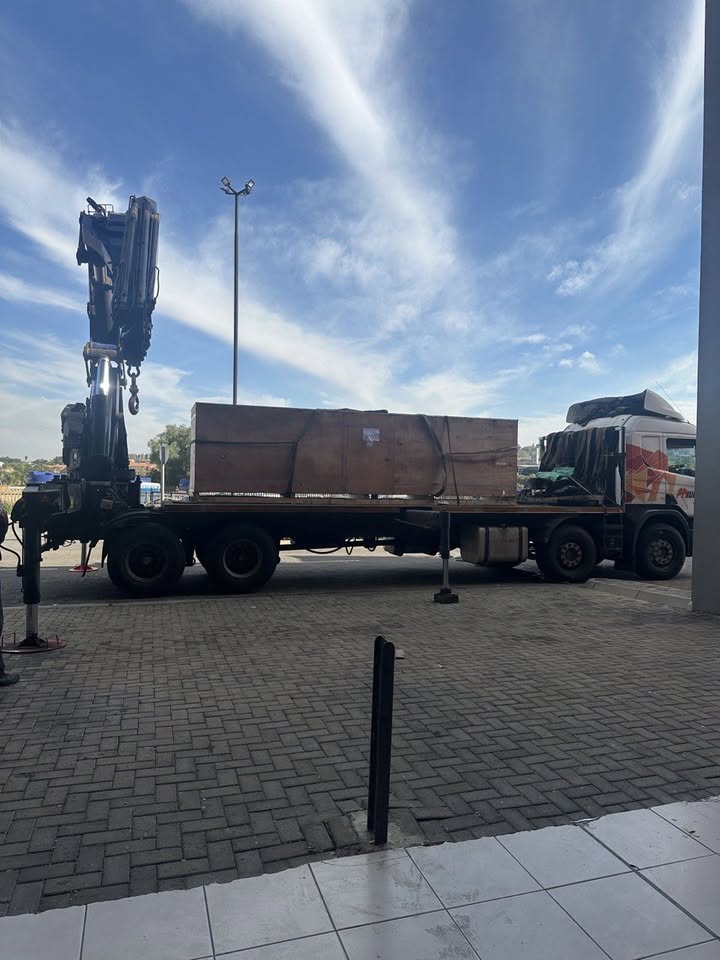
12 Heads Embroidery Machine
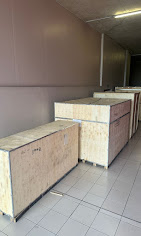
Toilet Paper Machine Machine
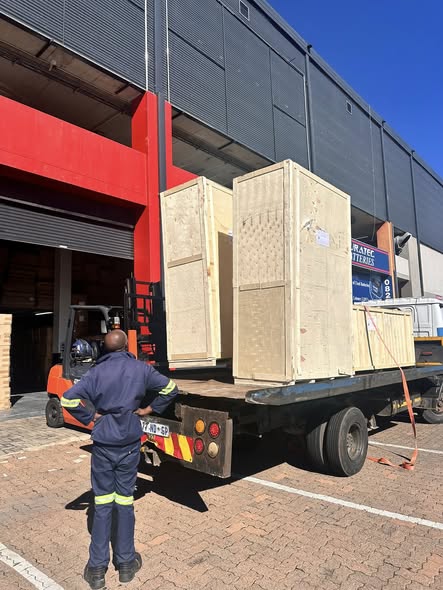
Order Collection
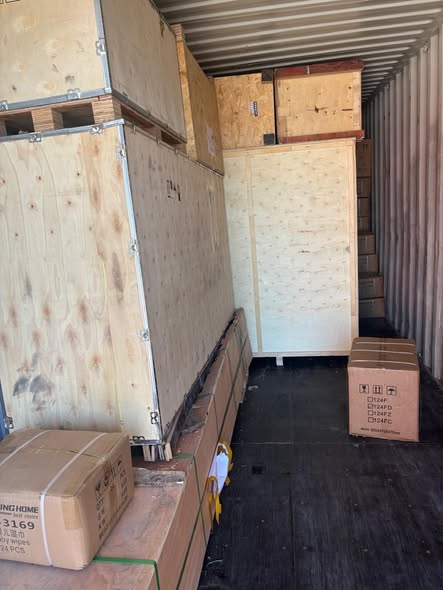
Cross Border Clients
Order cros border countries Collected
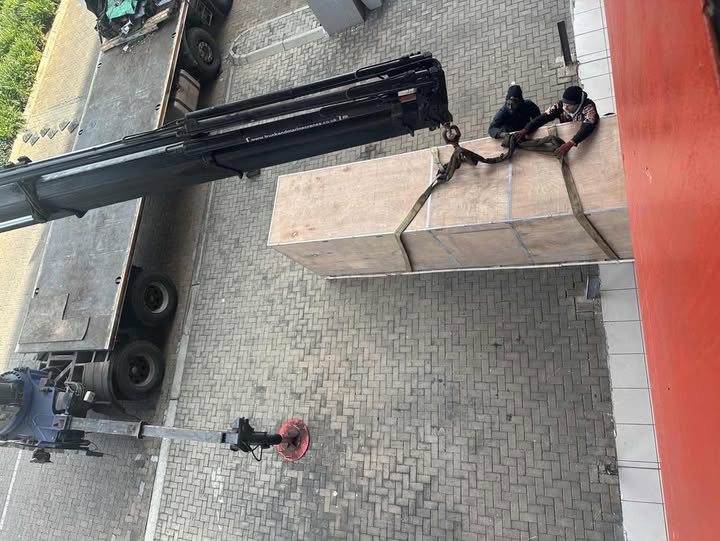
Industrial Machine Cllection
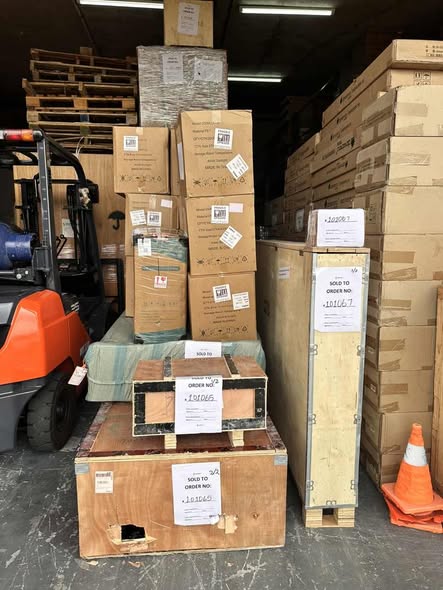
Agriculture Processing Machines
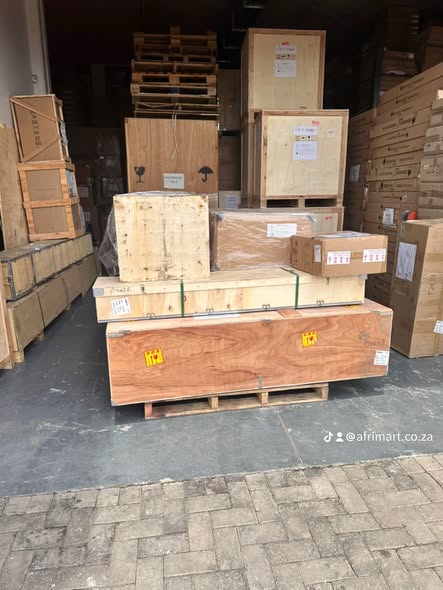
Ready for collection
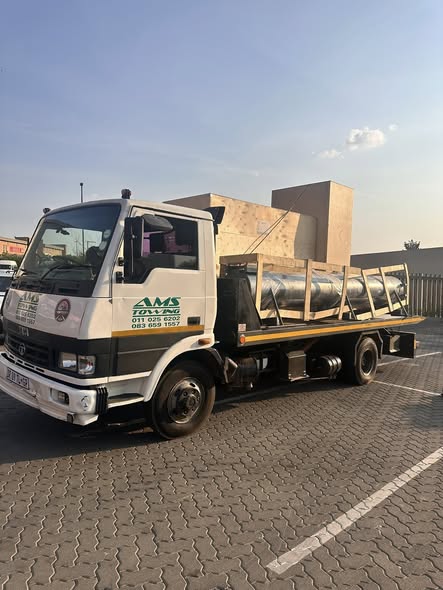
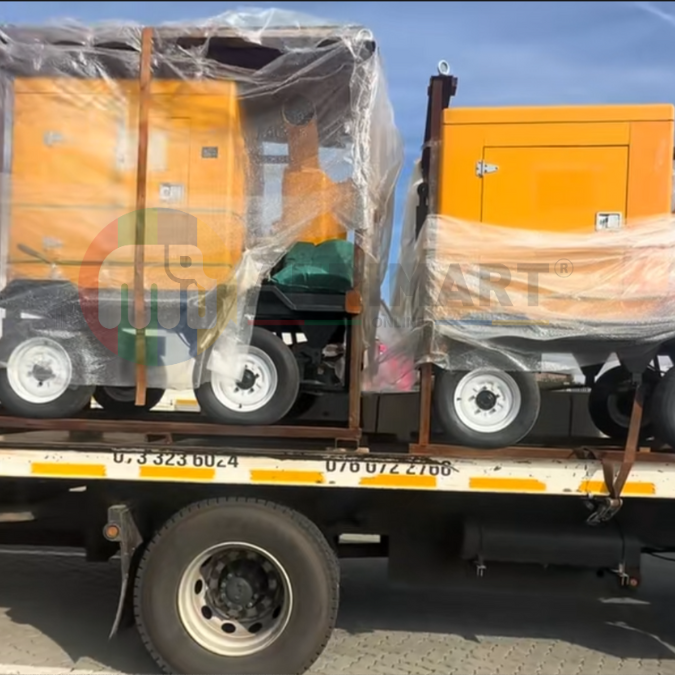
Water Pump Equipment
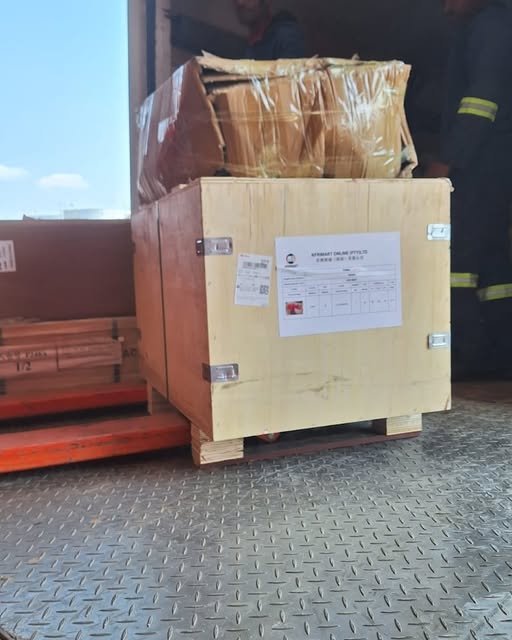
Packaging Machine and accessories
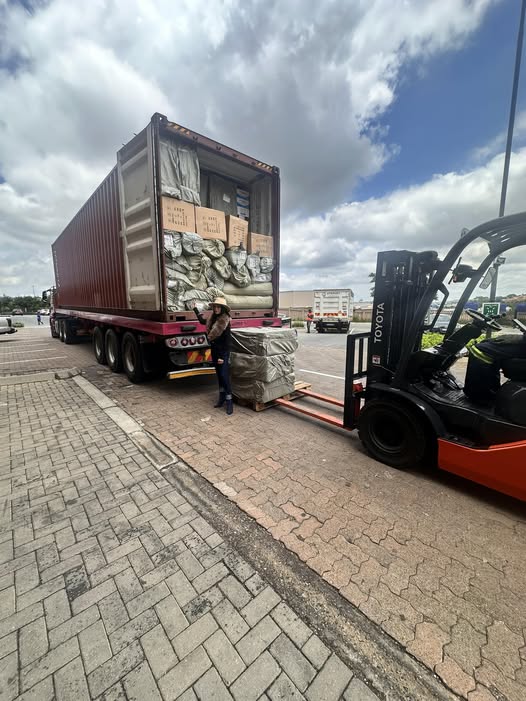
Fabrics Manufacturing Equipment
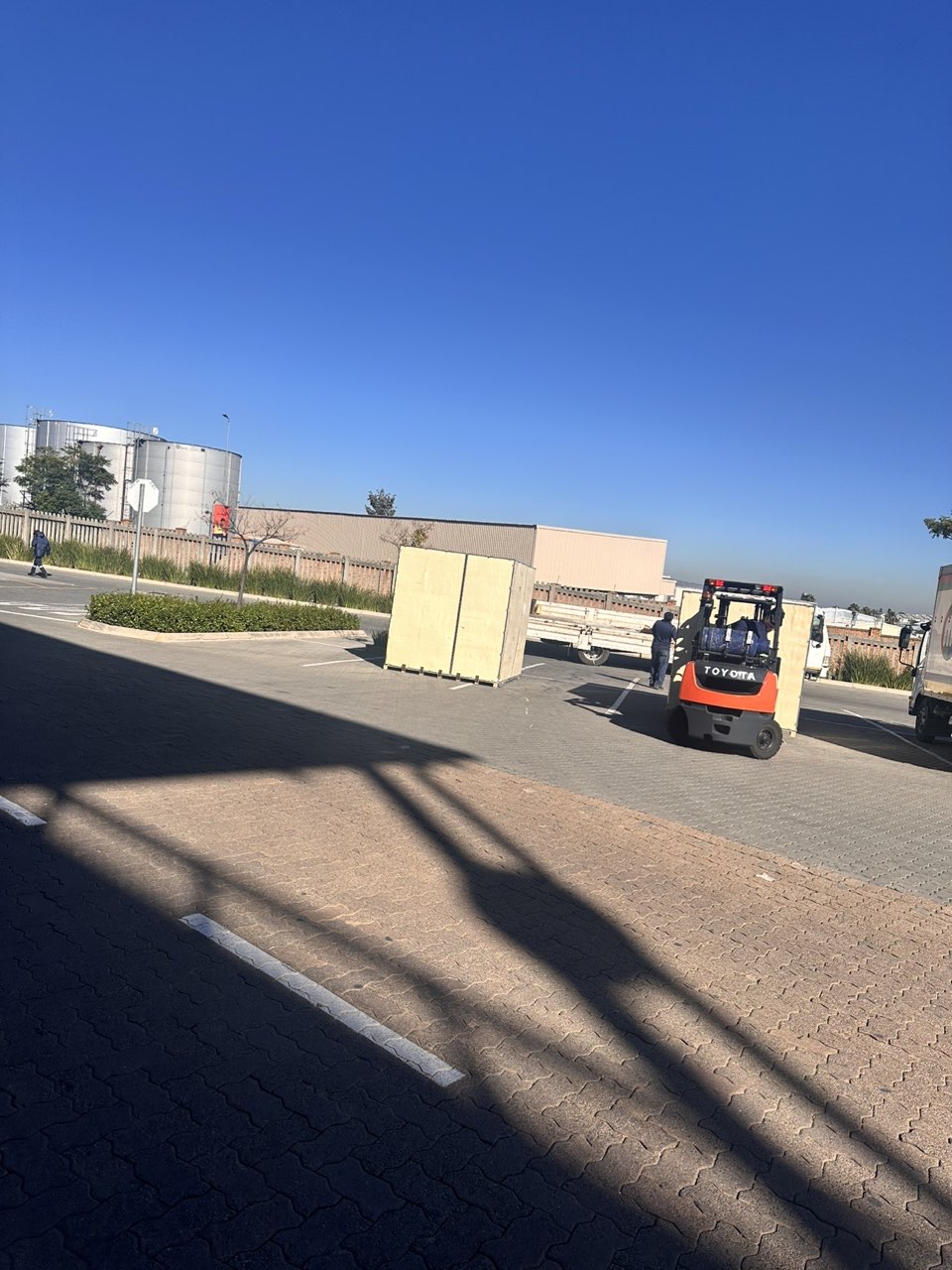
Mining Equipments
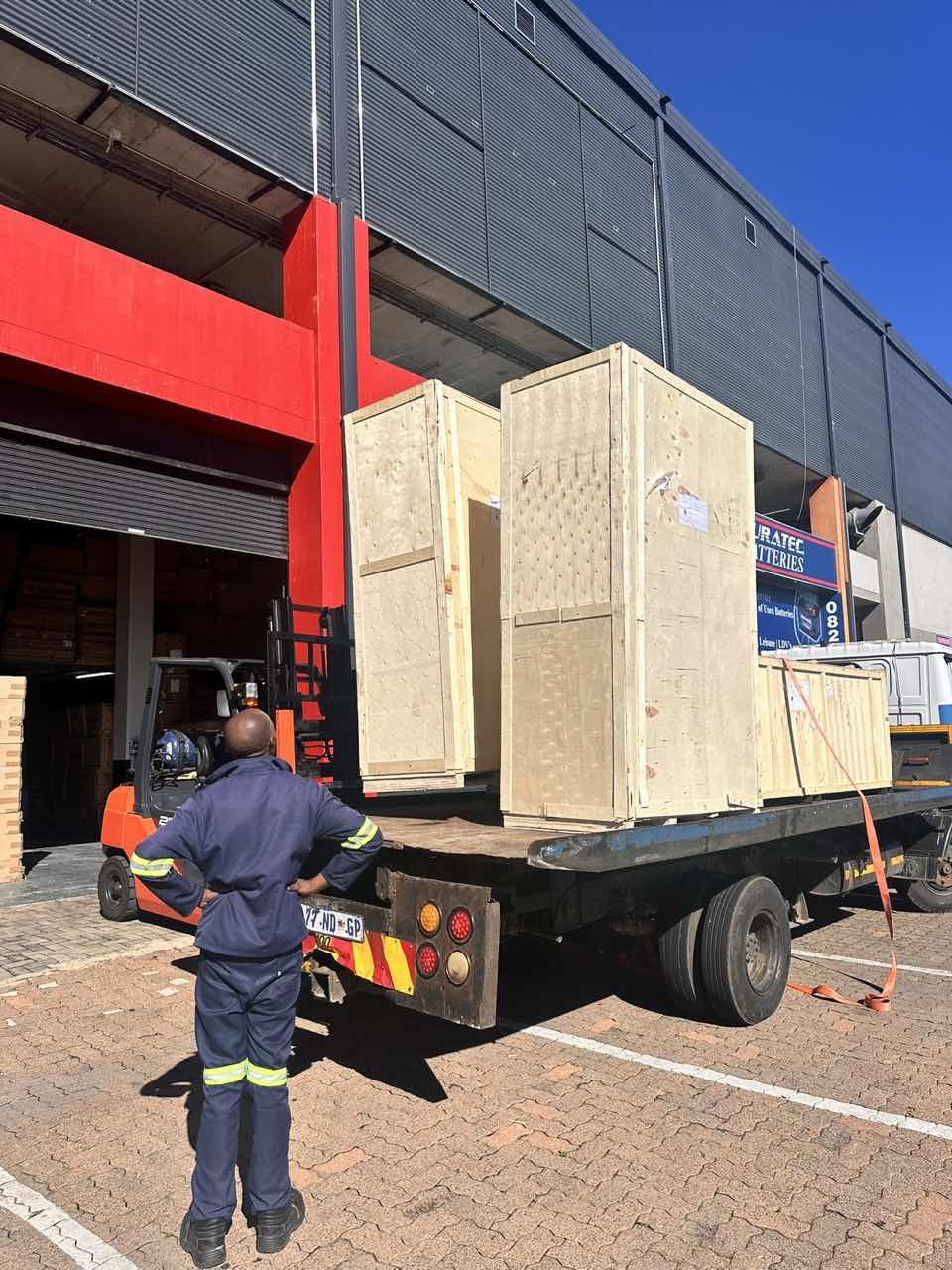
Food Processing Machine
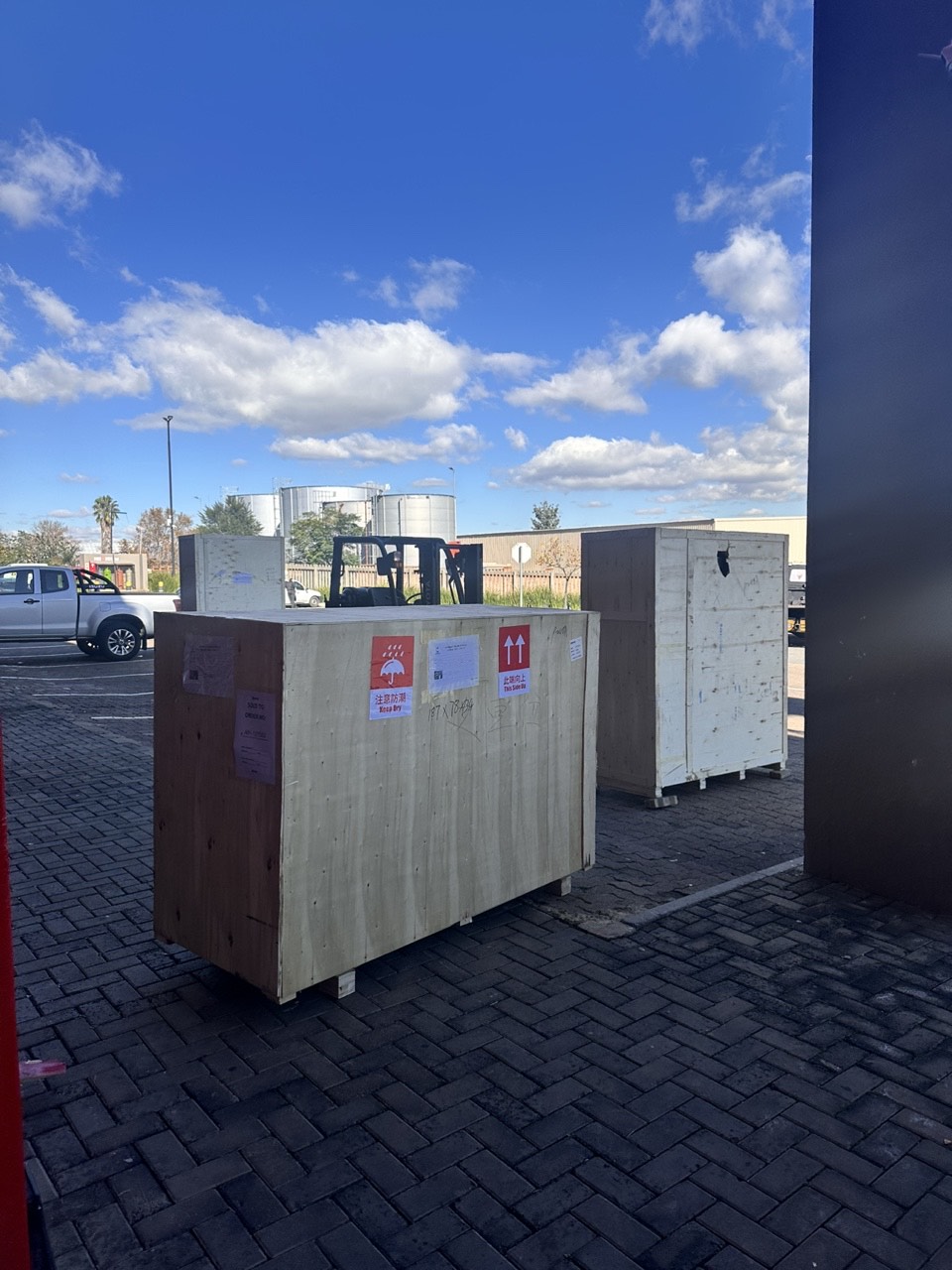
Batch of Orders
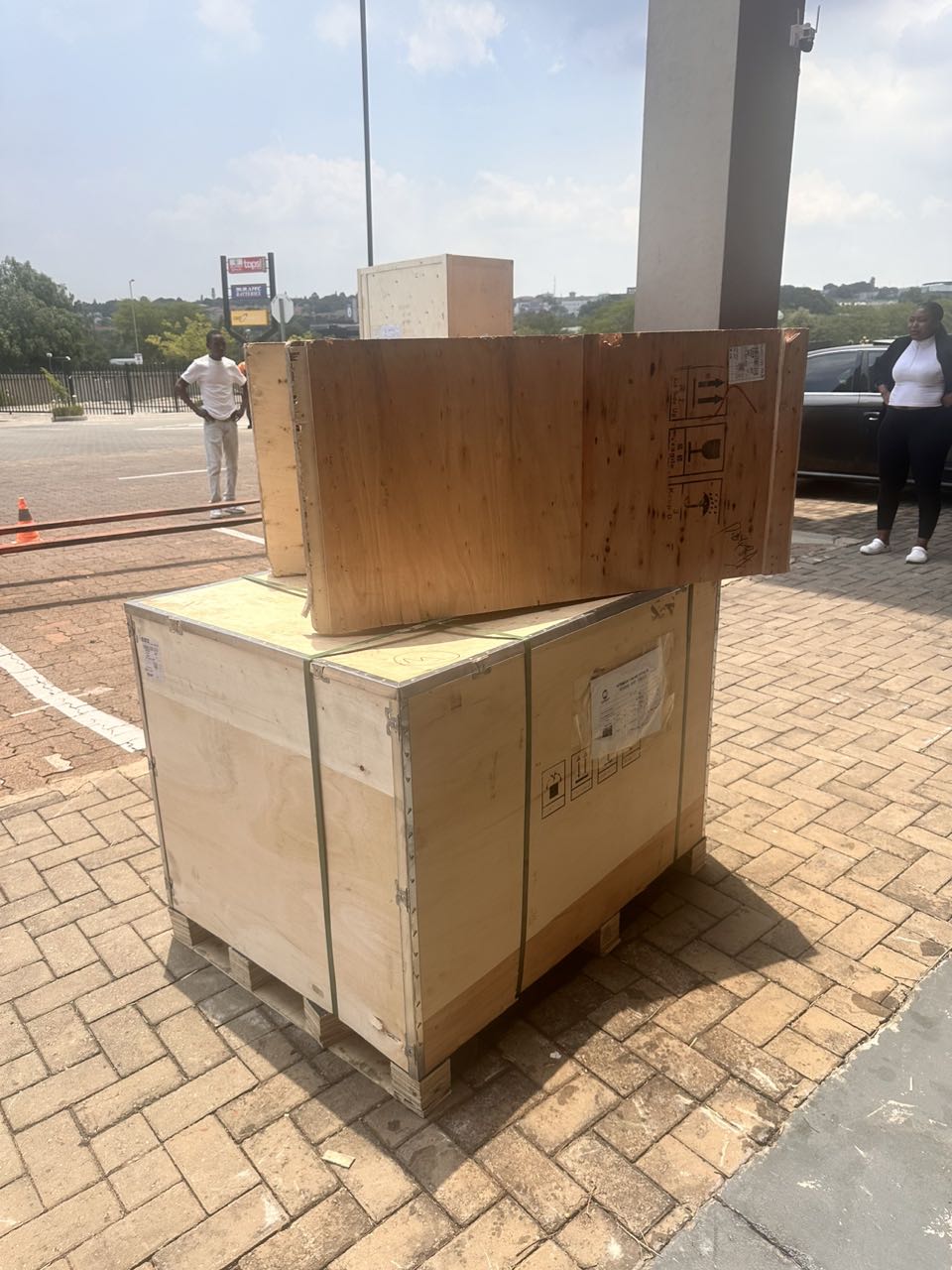
Batch of Orders
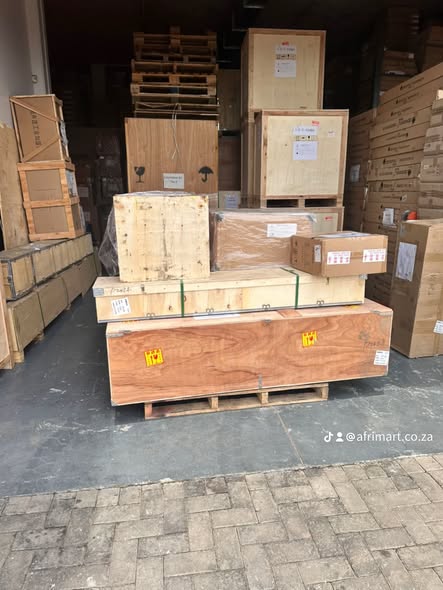
Latest Orders Labelled
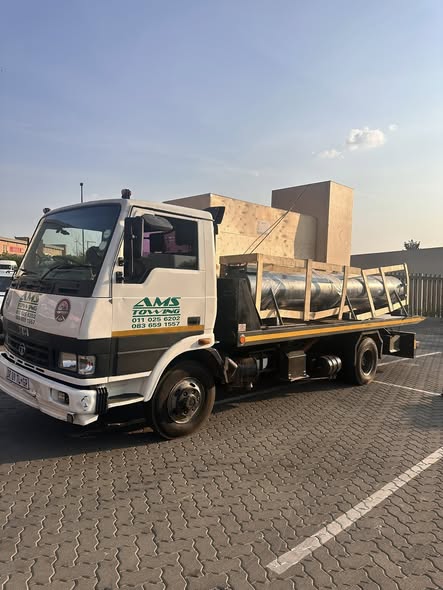
wheel alignment machines
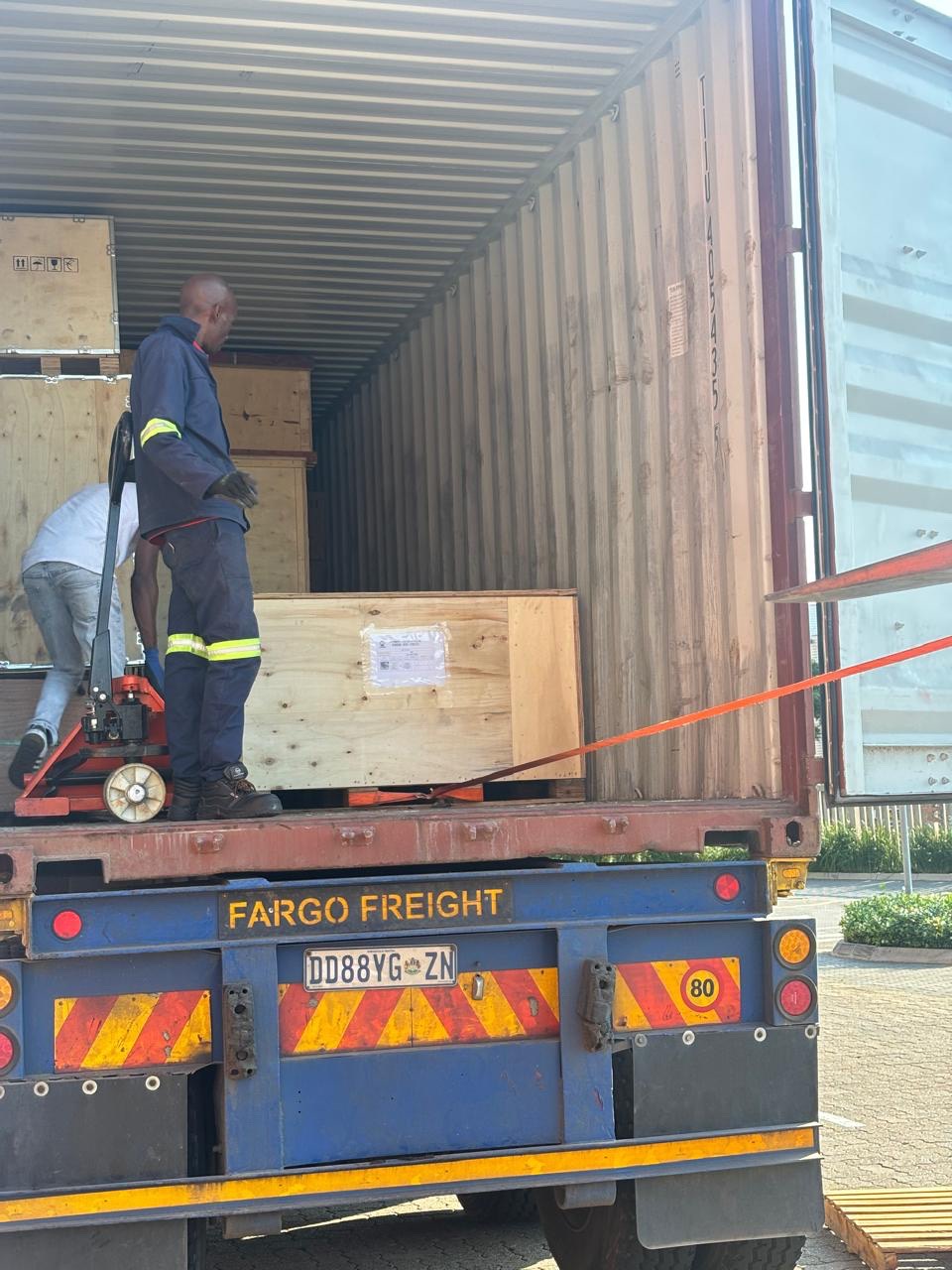
new arrivals
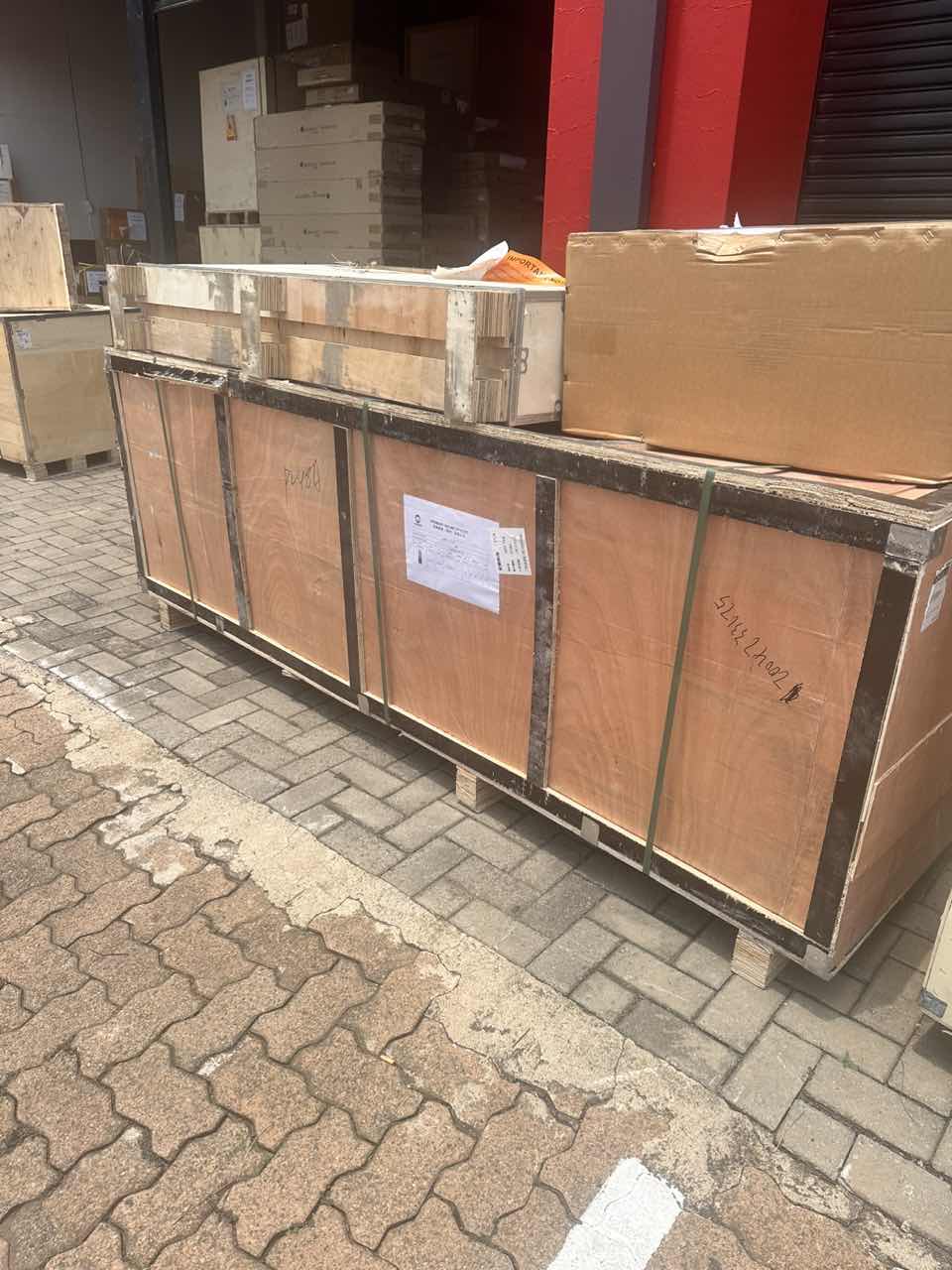
Pre Orders Offloading
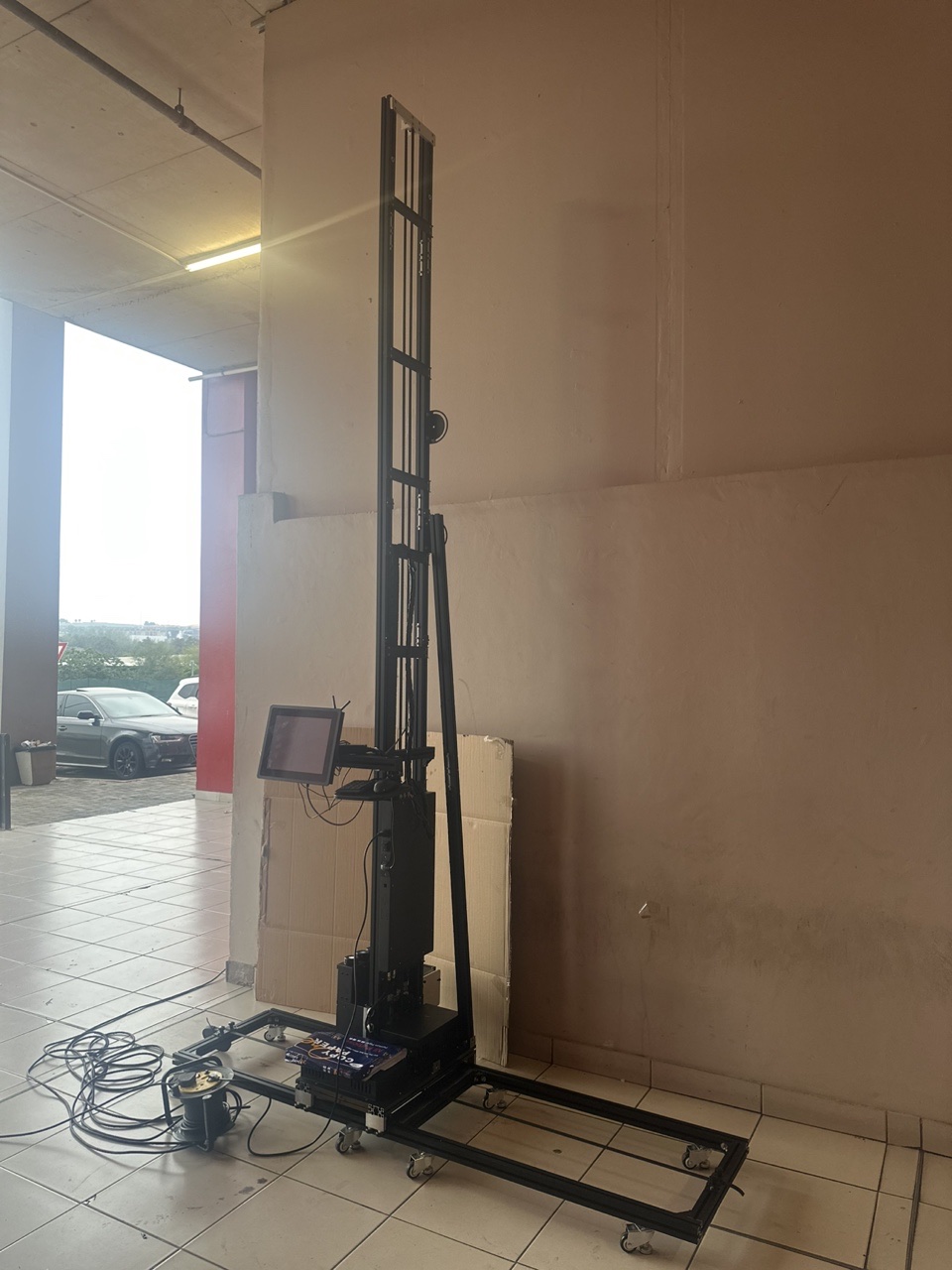
Latest Arrivals
Latest Arrivals
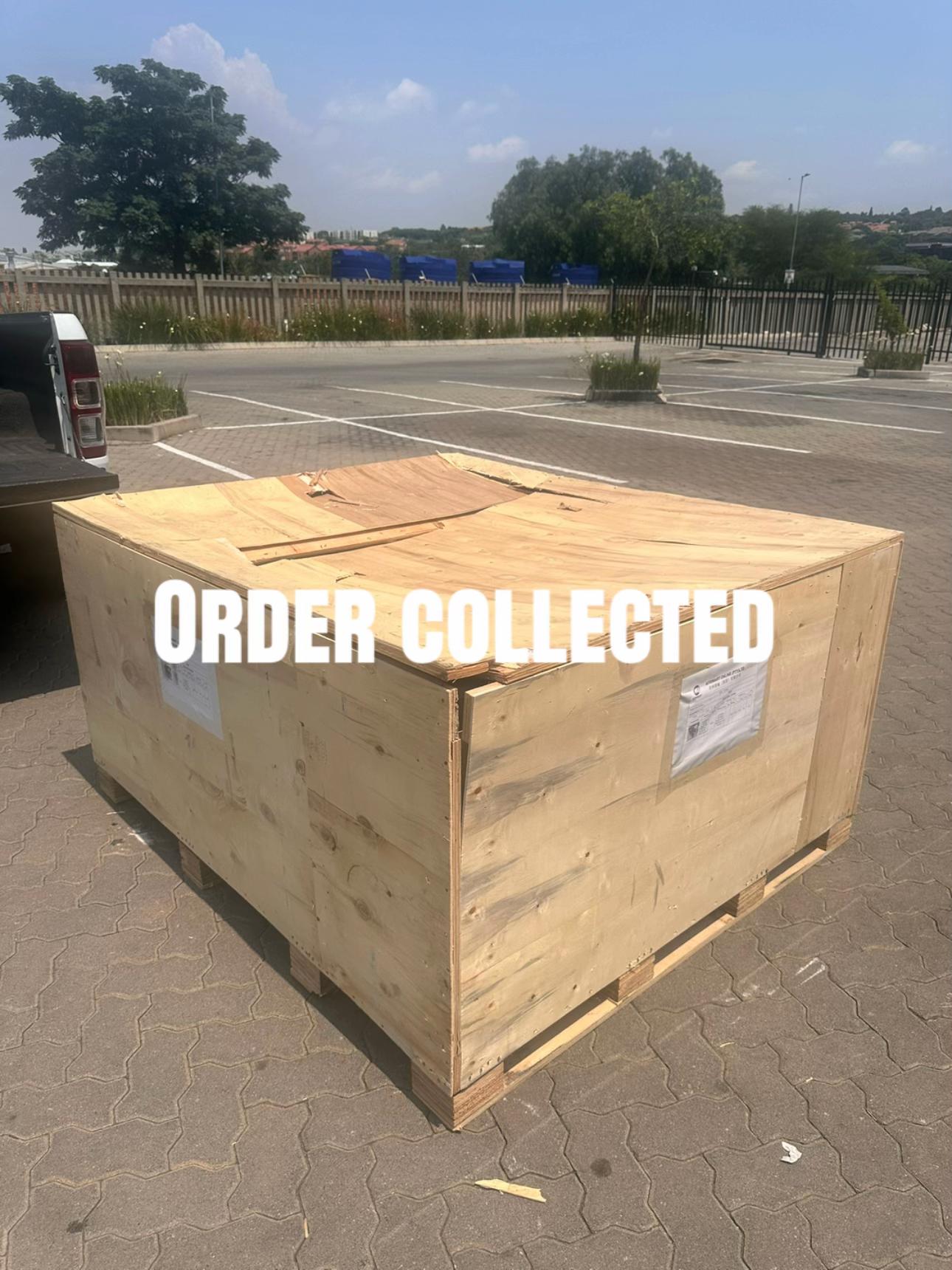
Latest Arrivals
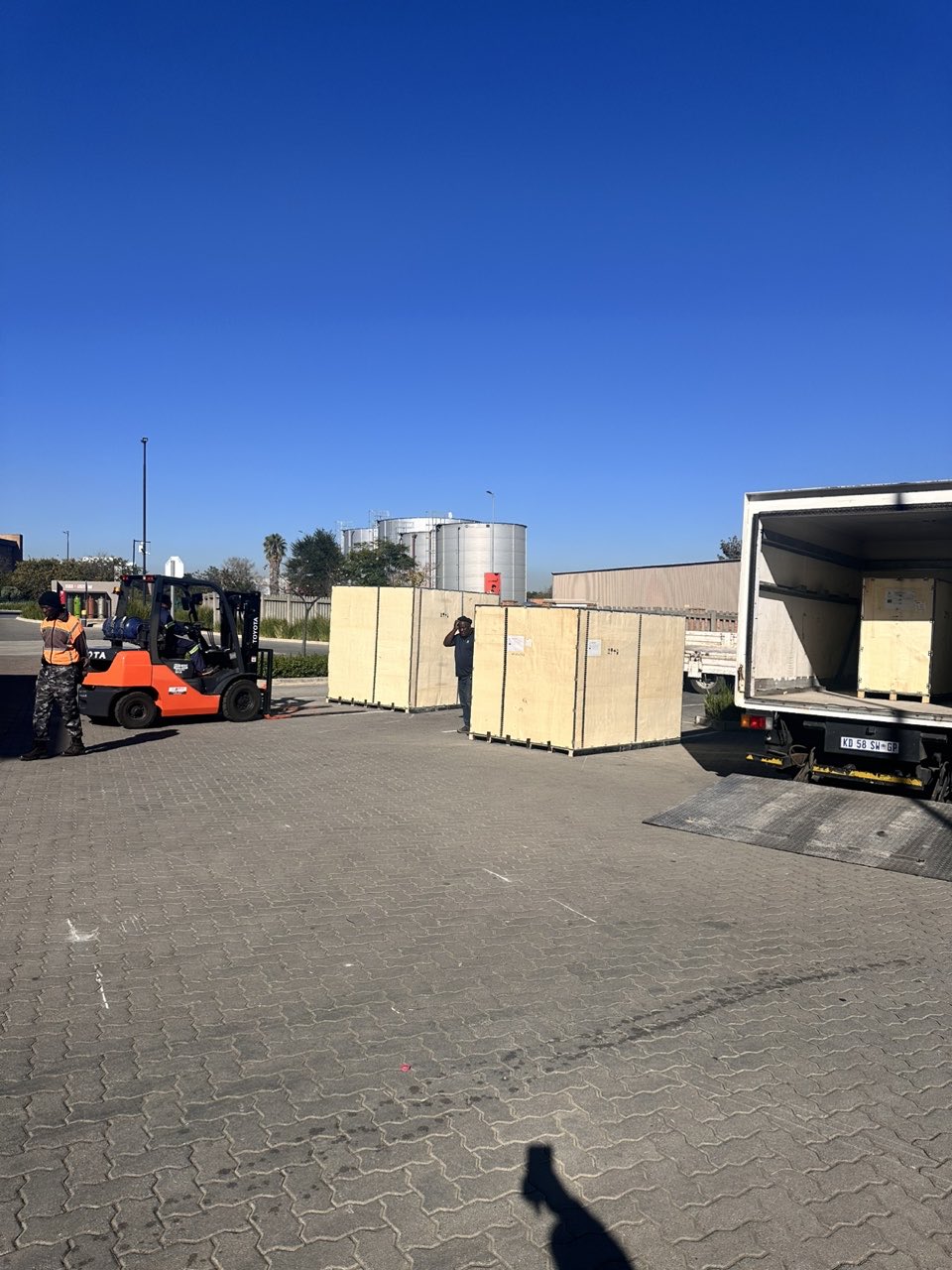
Loading
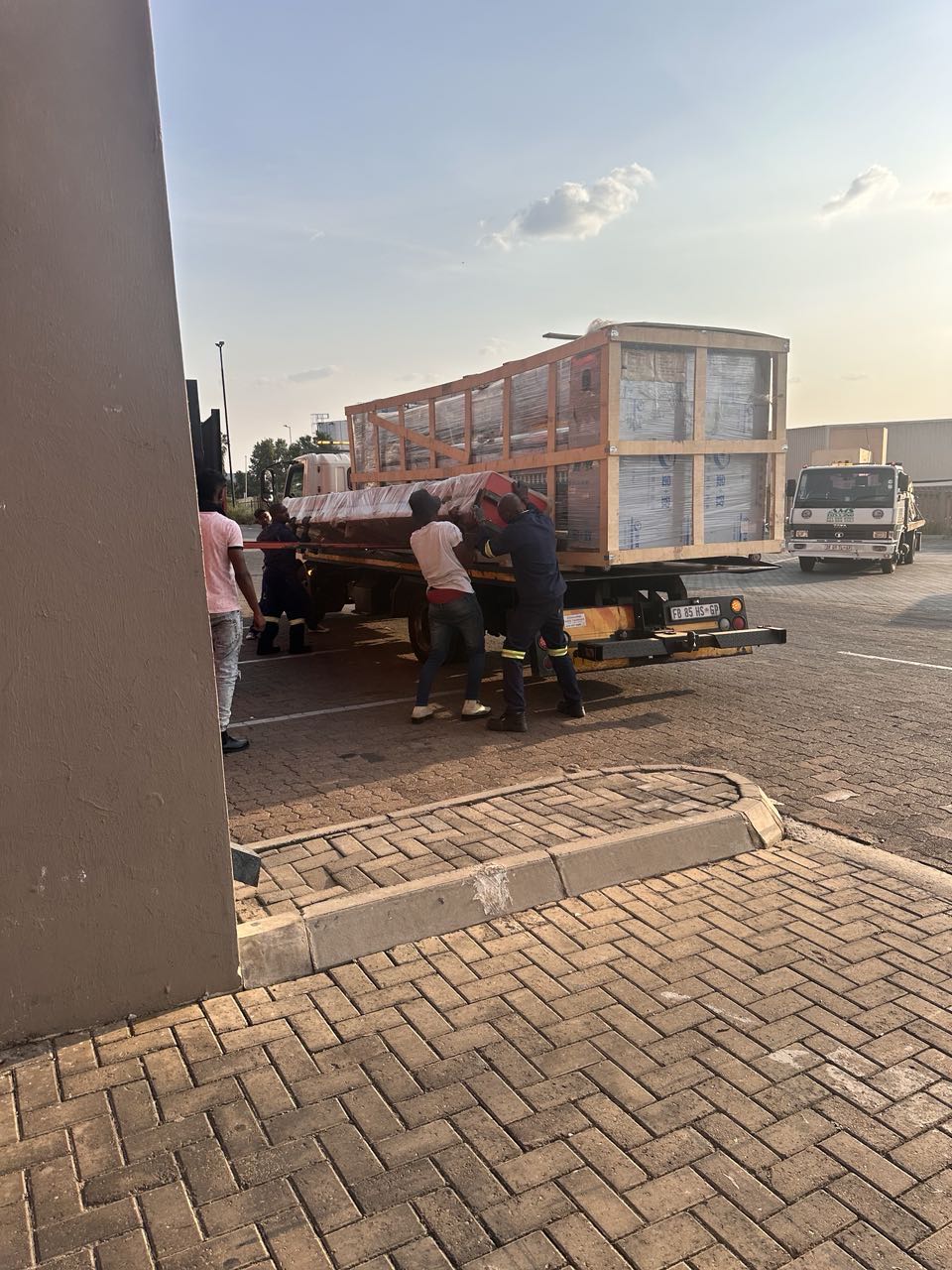
Toilet paper making machine
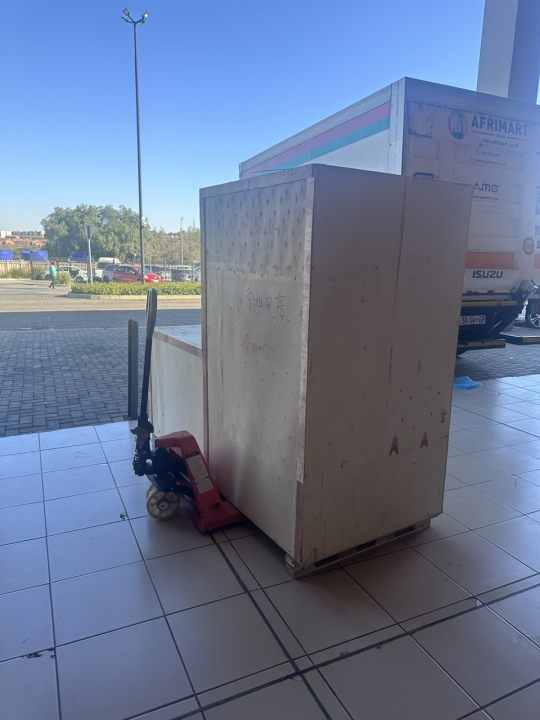
Toilet paper making machine
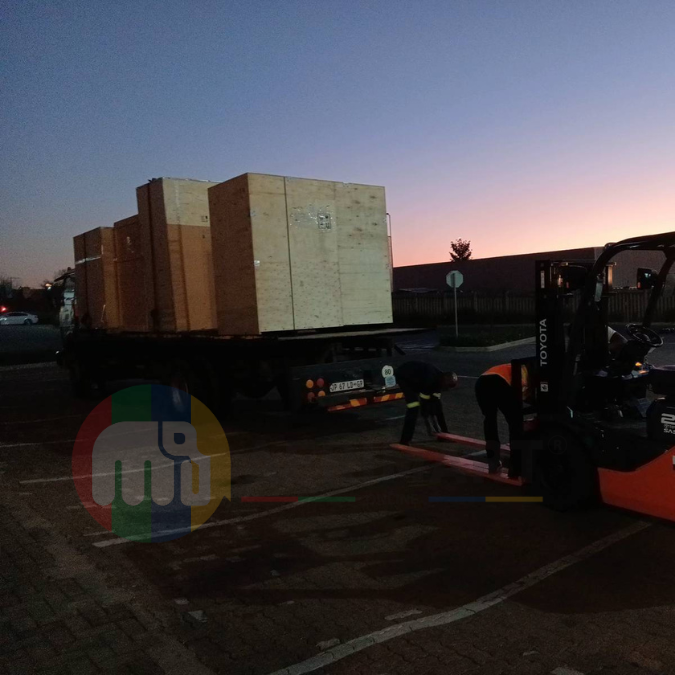
Toilet paper Rewinding Machine
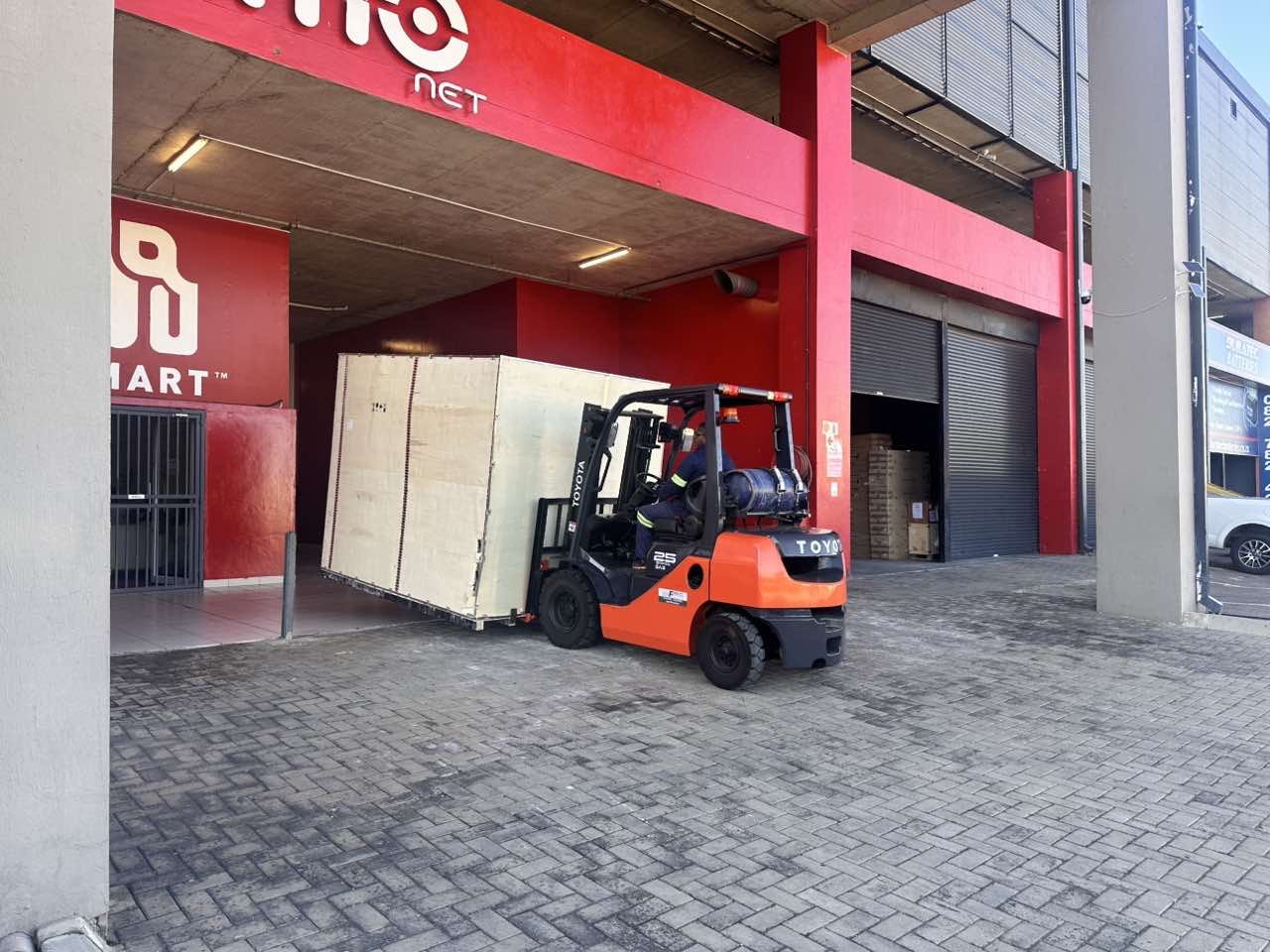
latest arrivals
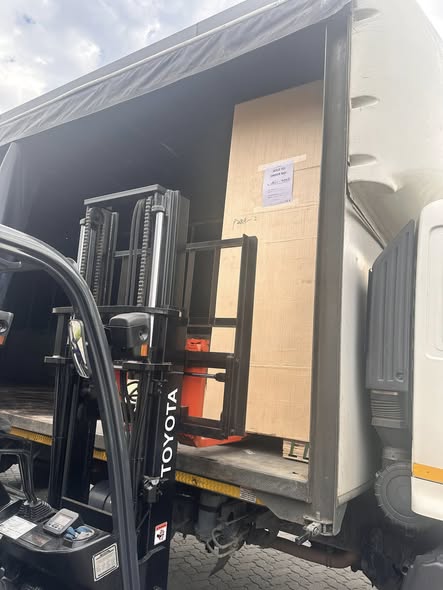
offloading
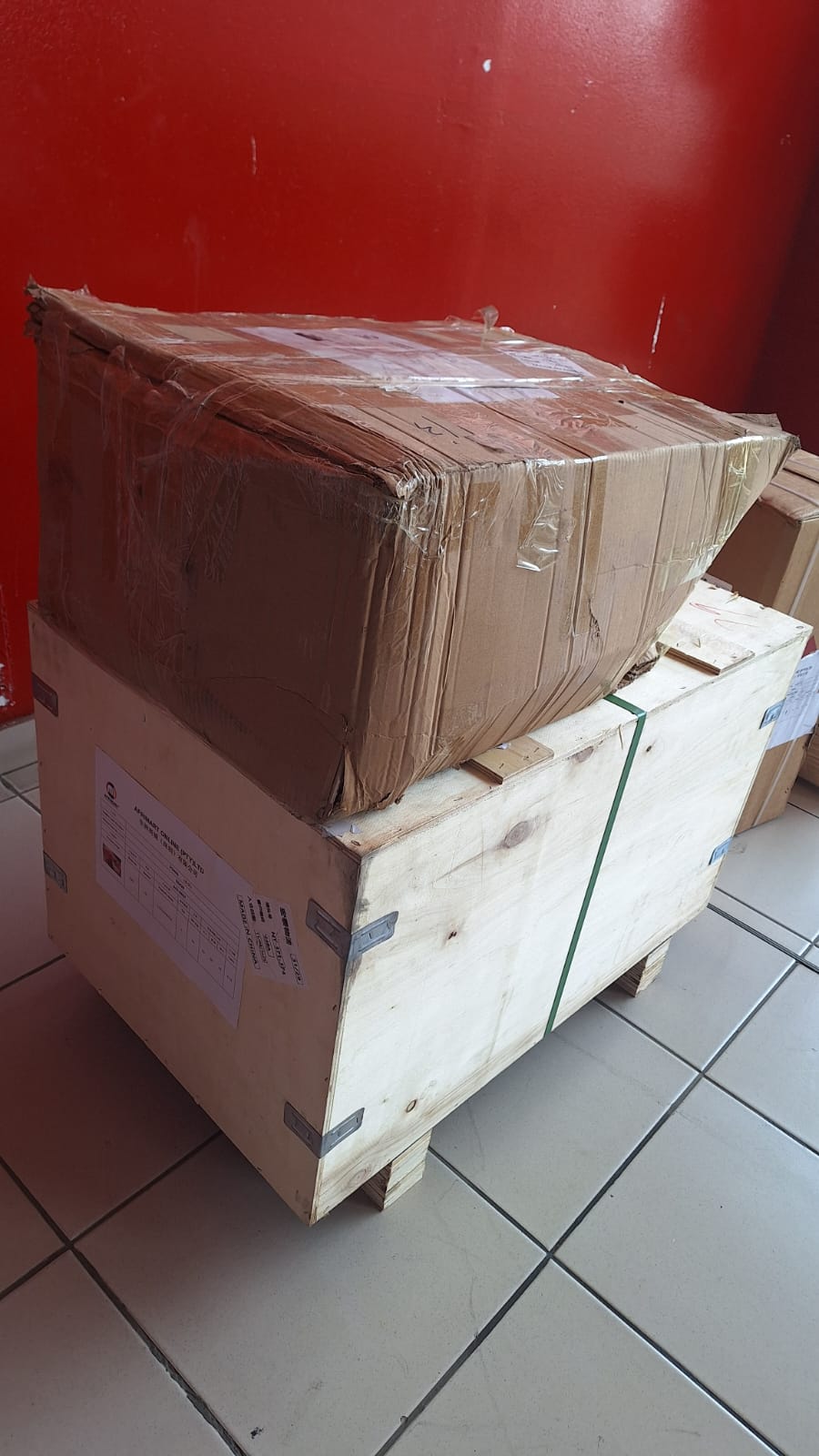
order success
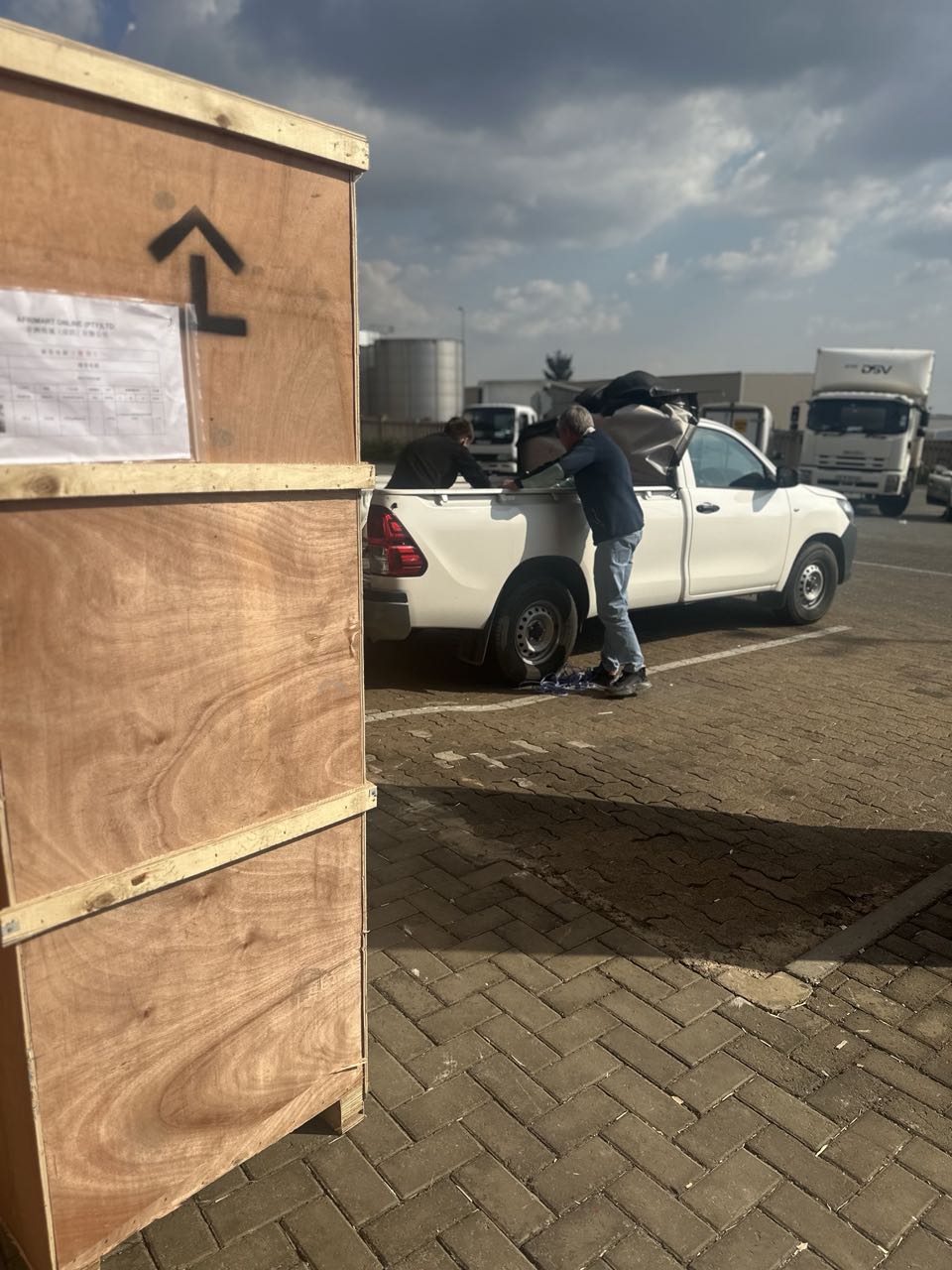
order collection
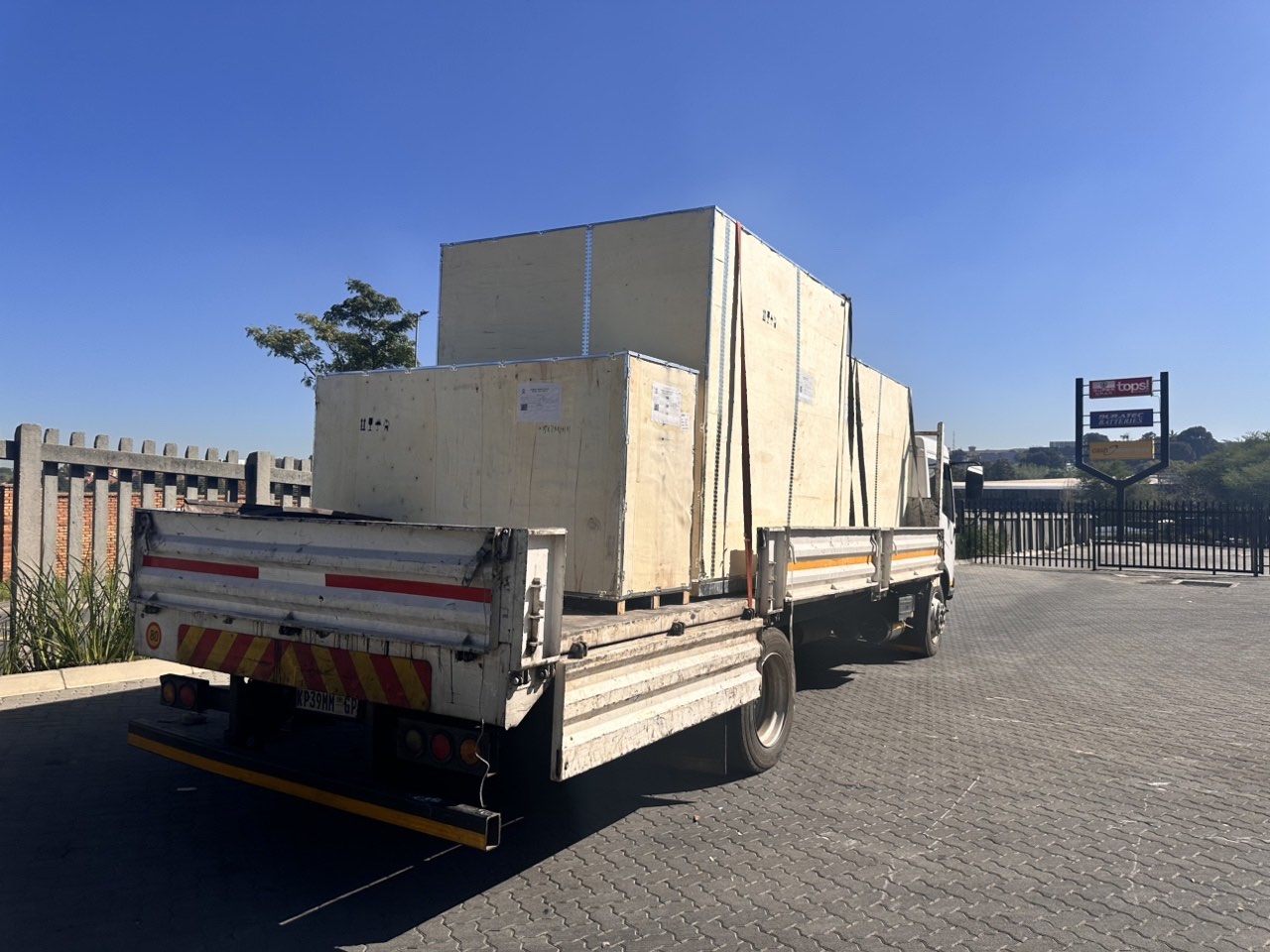
order offloading