B21, China Town Mall, Midrand

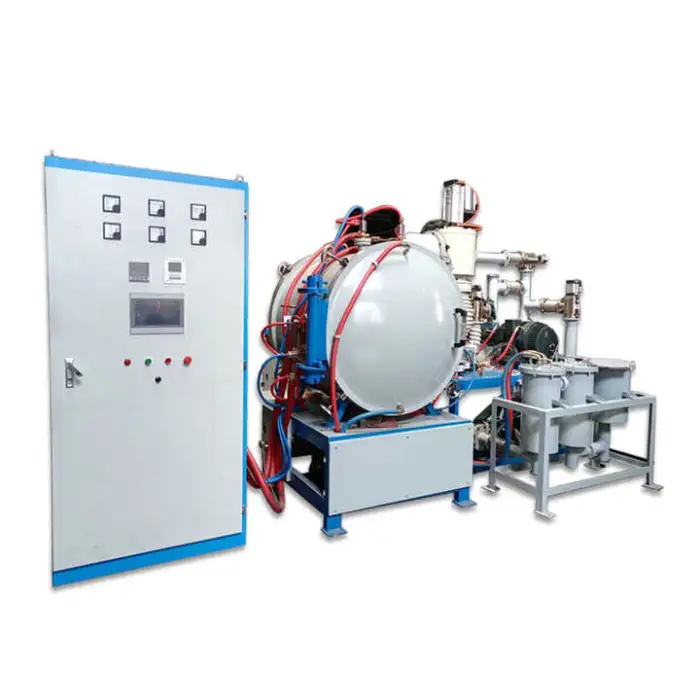
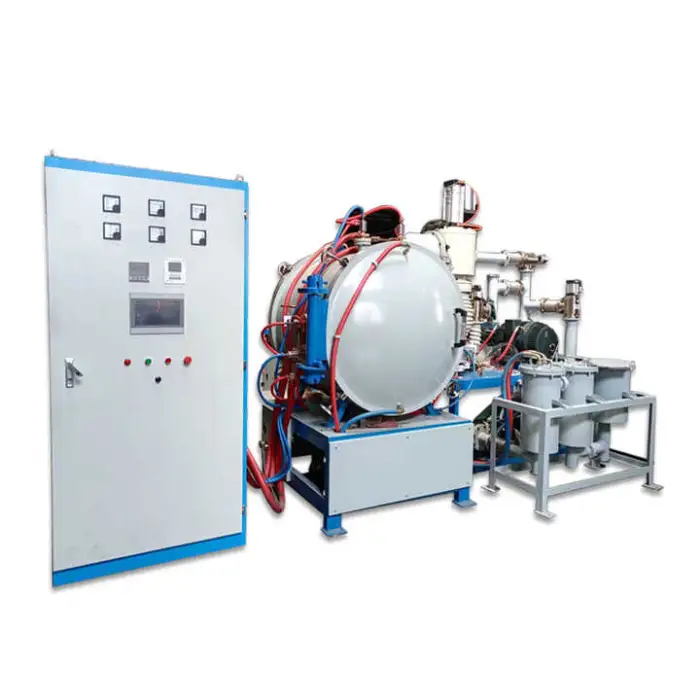
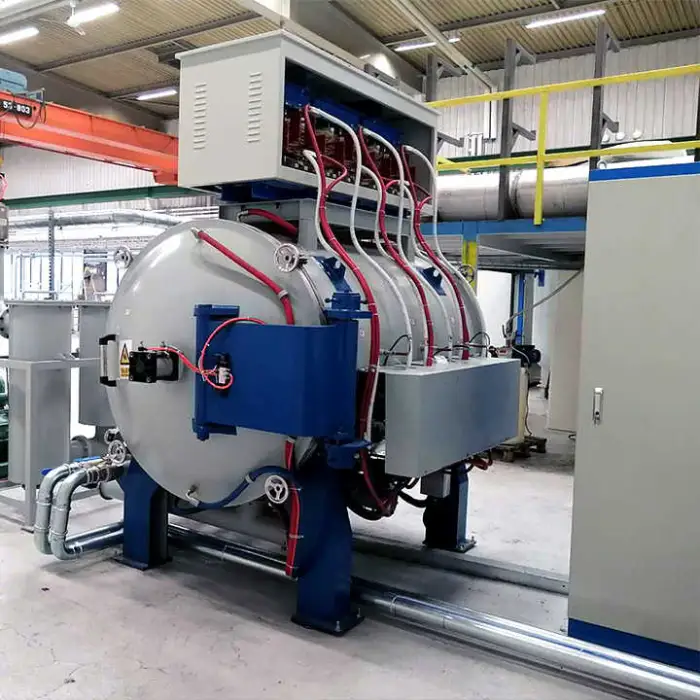
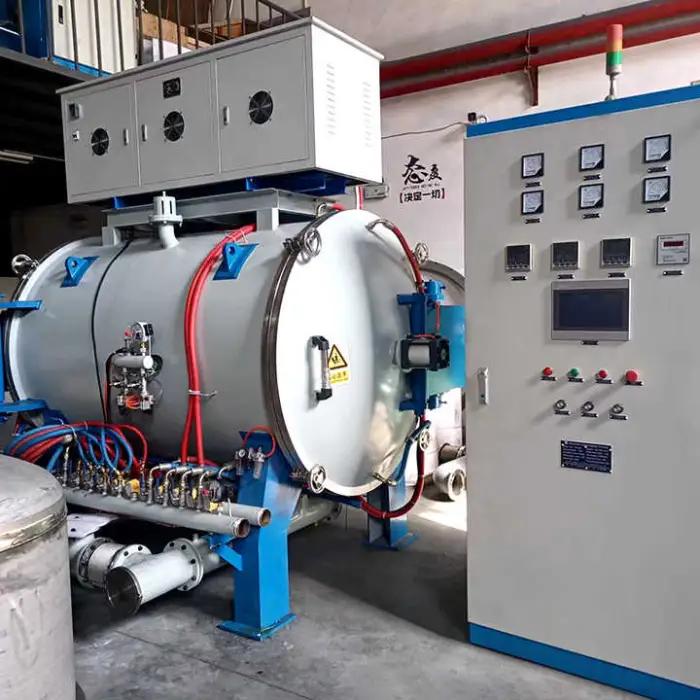
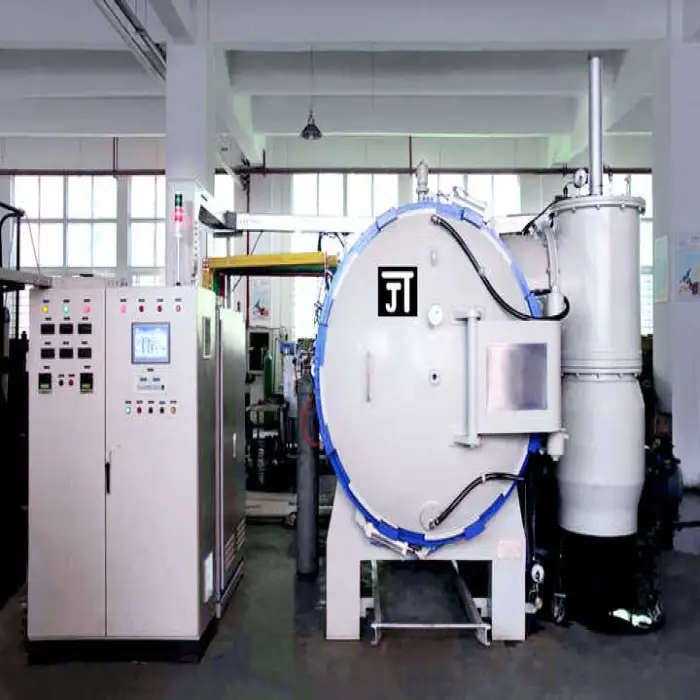
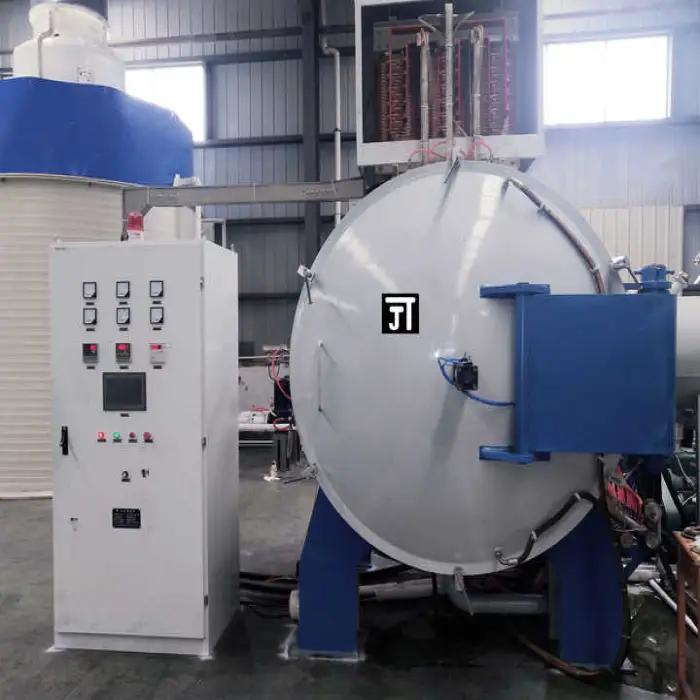
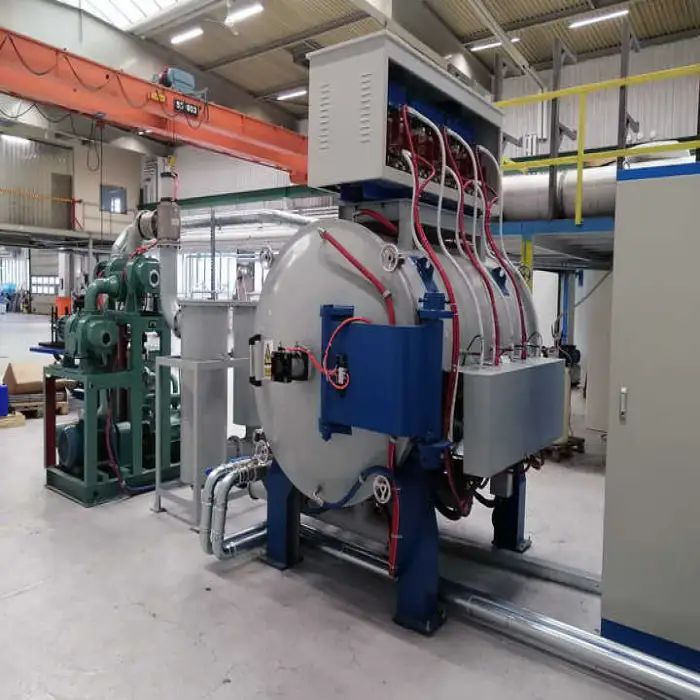
2400 Degrees Electric Furnace Vacuum Sintering Induction Cemented Carbide
Asset finance available
Do you want funding for this equipment?
Afrimart can connect you with trusted funding partners who specialise in asset finance for businesses like yours. Compare options and apply in minutes — final approval is subject to provider review.
Check funding options
Secure & no obligation

- Section : Machinery
- Category : Metal & Metallurgy Machinery
- SKU : 1601250897625

2400 Degrees Electric Furnace Vacuum Sintering Induction Cemented Carbide
The 2400 Degrees Electric Furnace Vacuum Sintering Induction Cemented Carbide is a powerful machine designed for high-efficiency sintering. It provides precise temperature control and is perfect for powder metallurgy applications. With a maximum temperature of 2400℃, this furnace ensures excellent results for a variety of materials.
Specifications
| Attribute | Details |
|---|---|
| Maximum Use Temperature | 2400℃ |
| High Temperature Volume | 12L, 45L, 375L, 540L, 3500L, 10000L |
| Temperature Measurement Accuracy | 0.2~0.75% |
| Temperature Control Accuracy | ±1℃ |
| Working Atmosphere in Furnace | Vacuum, Hydrogen, Nitrogen, Inert Gases |
| Temperature Uniformity | ≤±10℃ |
| Temperature Measurement | Infrared Optical Temperature Measurement |
| Temperature Control | Program Control and Manual Control |
| Temperature Measurement Range | 800~2400℃ or 0~2400℃ |
| Limit Heating Rate | 75℃/min |
| Weight | 2 T |
| Voltage | 380 |
Key Features
- Accurate temperature control for reliable results.
- Multiple high-temperature volume options available.
- Infrared optical temperature measurement for precision.
- Program and manual control for flexibility.
- Supports various working atmospheres, including vacuum and inert gases.
Applications
- Ideal for sintering cemented carbide materials.
- Used in powder metallurgy for various metal compositions.
- Perfect for research and development in material science.
- Suitable for high-temperature testing of new materials.
- Can be used in industrial applications requiring precise temperature control.
Product Info Gallery
- Shipping Timeframes: All orders are processed within 2-5 business days (excluding weekends and holidays). After your order has been processed, the estimated delivery time is before 05 Aug, 2026, depending on customs, Please note that due to high demand, some items may experience longer shipping times, which will be communicated at order confirmation email.
- Order Processing Time: Please allow 2-5 business days for us to process your order before it is shipped . Orders placed after 16:00 on Fridays, or during weekends and public holidays, will begin processing on the next business day. Processing times may be extended during peak seasons or sales events.
- Manufacturing Time: Some products needs manufacturing time, the manufacturing process will take approximately 10-30 business days depending on the product. This timeframe may vary depending on the complexity of the product and current demand. but this will be communicated with you during order confirmation.
- Returns and Exchanges: We offer a 30-day return policy for most items. If you are not completely satisfied with your purchase, you may return it within 30 days of receipt for a refund or exchange. Items must be unused, in their original packaging, and accompanied by proof of purchase. Return shipping costs are the responsibility of the customer, unless the item was damaged or defective upon arrival.
1. What is the maximum temperature of the 2400 Degrees Electric Furnace Vacuum Sintering Induction Cemented Carbide?
The furnace supports a maximum use temperature of 2400℃.
2. What chamber volume options are available?
Multiple high-temperature volume options are available: 12 L, 45 L, 375 L, 540 L, 3500 L, and 10000 L.
3. What atmospheres can be used in the furnace?
The furnace supports working atmospheres including vacuum, hydrogen, nitrogen, and other inert gases. Proper gas handling and safety systems are required for reactive gases such as hydrogen.
4. How is temperature measured and how accurate is it?
Temperature is measured using infrared optical temperature measurement (pyrometry). Temperature measurement accuracy is specified as 0.2%–0.75%, and the temperature control accuracy is ±1℃.
5. What is the temperature uniformity inside the furnace?
Temperature uniformity is specified as ≤±10℃ across the controlled working zone, subject to load geometry and thermal mass of the charge.
6. What are the temperature measurement ranges?
The system supports temperature measurement ranges of either 800–2400℃ or 0–2400℃ depending on configuration and sensor selection.
7. What control modes does the furnace offer?
The furnace supports both program (automated ramp/soak profiles) and manual control modes for flexible process control.
8. What is the maximum heating rate?
The limit heating rate is 75℃ per minute. Actual achievable rates depend on furnace size, load, and process conditions.
9. What are typical applications for this furnace?
Typical applications include sintering cemented carbide materials, powder metallurgy for various metal compositions, R&D in materials science, and high-temperature testing of new materials.
10. What are the electrical and physical requirements for installation?
The furnace requires a 380 V electrical supply (consult manufacturer for phase and amperage). Note the listed weight is 2 T (approx. 2 tonnes), so floor loading and rigging must be planned accordingly.
11. What safety considerations should be observed when operating the furnace?
Follow standard high-temperature and gas-handling safety: train operators, use thermal PPE, ensure proper ventilation, implement hydrogen safety protocols (leak detection, purging, explosion prevention), maintain vacuum/gas lines, and follow lockout/tagout and emergency procedures.
12. How should I maintain the furnace to ensure reliable operation?
Regular maintenance includes inspecting seals and insulation, checking and calibrating temperature sensors, servicing vacuum pumps and gas lines, verifying controller and software operation, and replacing worn heating components per supplier recommendations. Keep a log of cycles and service actions.
13. Can the furnace sinter cemented carbide and other materials reliably?
Yes — the furnace is designed for high-efficiency sintering of cemented carbide and is suitable for a range of powder metallurgy materials, provided process parameters (temperature, atmosphere, time) are properly controlled.
14. How do sample size and loading affect performance?
Sample size, batch mass, and placement affect temperature uniformity, heating time, and final properties. Smaller, evenly distributed loads yield better uniformity and faster cycle times. Always validate profiles for your specific charge geometry.
15. Where can I obtain spare parts, accessories, or service?
For spare parts, optional accessories (vacuum pumps, gas handling, quench systems), technical support, and field service, contact the furnace manufacturer or authorized distributor. They can provide compatible parts and qualified technicians.
Latest Order Arrivals
Discover our latest orders

12 Heads Embroidery Machine

Toilet Paper Machine Machine

Order Collection

Cross Border Clients

Order cros border countries Collected

Industrial Machine Cllection

Agriculture Processing Machines

Ready for collection

Water Pump Equipment

Packaging Machine and accessories

Fabrics Manufacturing Equipment

Mining Equipments

Food Processing Machine

Batch of Orders

Batch of Orders

Latest Orders Labelled

wheel alignment machines

new arrivals

Pre Orders Offloading

Latest Arrivals

Latest Arrivals

Latest Arrivals

Loading

Toilet paper making machine

Toilet paper making machine

Toilet paper Rewinding Machine

latest arrivals

offloading

order success

order collection

order offloading