B21, China Town Mall, Midrand

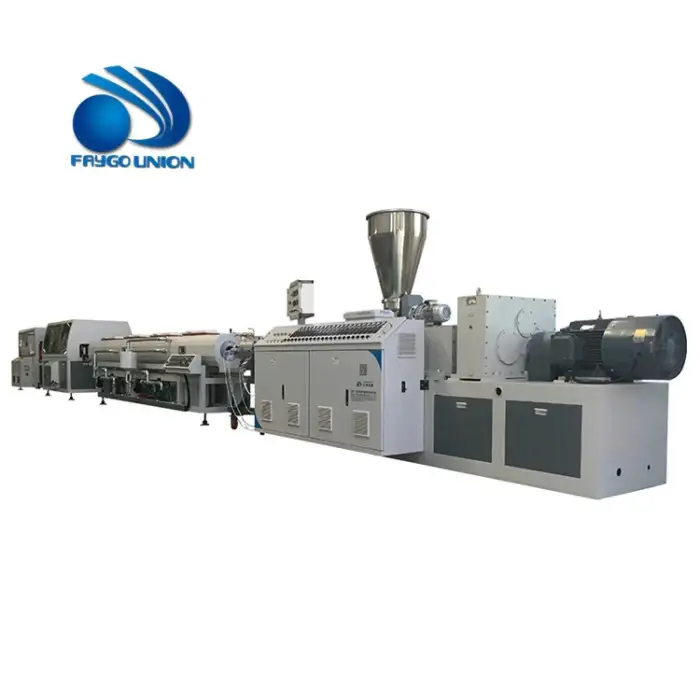
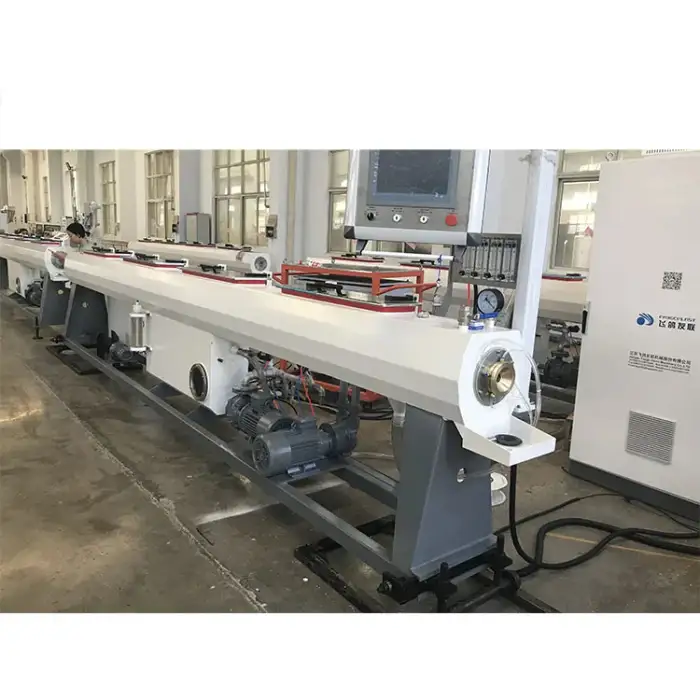
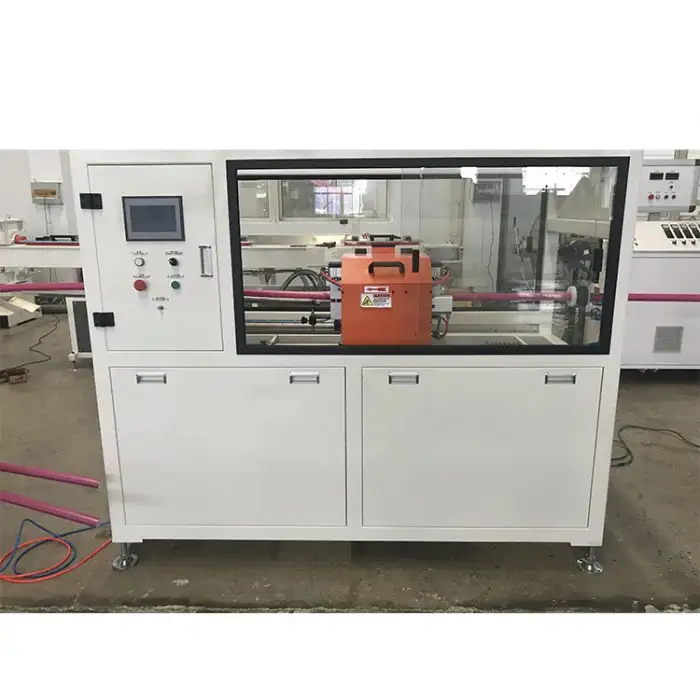
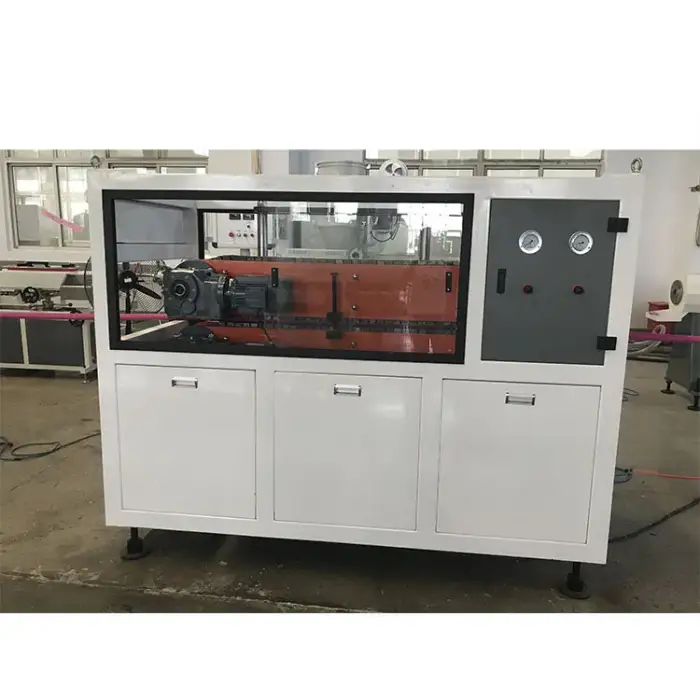
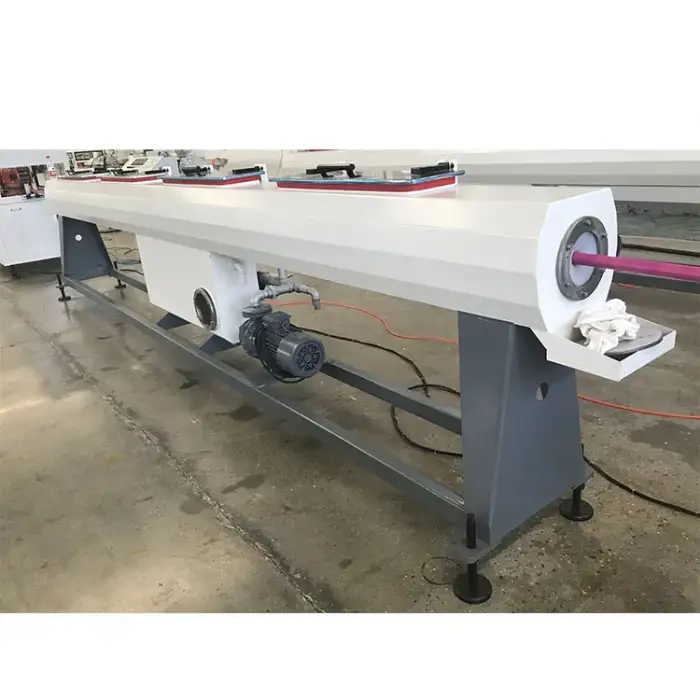
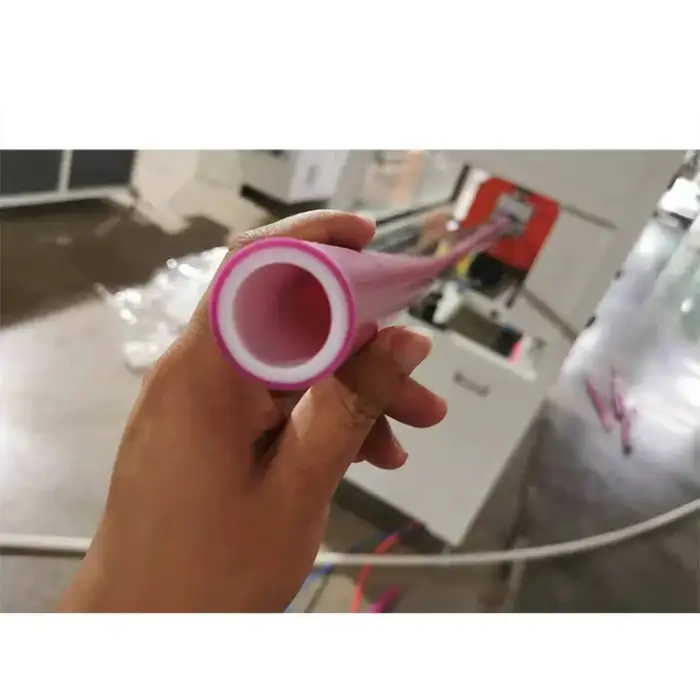
20~63mm ppr pipe production line(plastic machine) ppr fiber glass pipe production line ppr cold hot water pipe extrusion line
Asset finance available
Do you want funding for this equipment?
Afrimart can connect you with trusted funding partners who specialise in asset finance for businesses like yours. Compare options and apply in minutes — final approval is subject to provider review.
Check funding options
Secure & no obligation
- Section : Machinery
- Category : Plastic & Rubber Processing Machinery
- SKU : 60239387437

glass fiber PPR pipe production line/ppr cold hot water pipe extrusion line
Features of Product:
1.Dedicated fiber glass reinforced plastic extruder with double metal screws and barrel is used,which ensuresboth high speed extrusion and long service life of the extruder.
2.Composite extrusion head of special design,ensure uniform thickness of all three layers,and thickness of each layer is adjustable as required.
3.Compare to common PP-R material,extruded material by this production line has features of high compression strength,no deformation in high temperature,no bending and very small longitudinal reversion rate.Furthermore,its cost is about 5%~10% cheaper than other tubes,it eliminated serious fault of common PP-R tubes which will be deformed while carrying hot water.
Process flow:
Raw material +master batches→mixing→vacuum feeding→material dryness→single screw extruder→single screw extruder→single screw extruder→color string extruder→spiral co-extrusion mould→calibrator→spray vacuum calibration tank→spray cooling water tank→spray-code printer→belt haul-off→no-dust cutter→pipe rack→finished product inspecting &packing
Technical parameters:
| Model | Screw diameter | L/D | Extruder Quatity | Pipe range | Capacity | Main motor power | Total power | Line length |
| PPR-63 | 50mm | 33:1 | 3 | 20-63mm | 100-150kg/h | 22*3kw | 100kw | 30m |
| PPR-110 | 65mm | 33:1 | 3 | 75-110mm | 180-280kg/h | 37*3kw | 150kw | 38m |
       |
- Shipping Timeframes: All orders are processed within 2-5 business days (excluding weekends and holidays). After your order has been processed, the estimated delivery time is before 07 Jul, 2026, depending on customs, Please note that due to high demand, some items may experience longer shipping times, which will be communicated at order confirmation email.
- Order Processing Time: Please allow 2-5 business days for us to process your order before it is shipped . Orders placed after 16:00 on Fridays, or during weekends and public holidays, will begin processing on the next business day. Processing times may be extended during peak seasons or sales events.
- Manufacturing Time: Some products needs manufacturing time, the manufacturing process will take approximately 10-30 business days depending on the product. This timeframe may vary depending on the complexity of the product and current demand. but this will be communicated with you during order confirmation.
- Returns and Exchanges: We offer a 30-day return policy for most items. If you are not completely satisfied with your purchase, you may return it within 30 days of receipt for a refund or exchange. Items must be unused, in their original packaging, and accompanied by proof of purchase. Return shipping costs are the responsibility of the customer, unless the item was damaged or defective upon arrival.
1. What is the main advantage of using the PPR pipe production line?
The main advantages include high compression strength, no deformation at high temperatures, minimal bending, and lower costs compared to common PP-R tubes.
2. What materials can be processed with this production line?
This production line is designed specifically for processing PPR (Polypropylene Random Copolymer) pipes, including those reinforced with fiberglass.
3. What is the production capacity of the PPR-635 model?
The PPR-635 model has a production capacity of 100-150 kg/h.
4. How does the extrusion process work for this production line?
The process involves mixing raw materials with master batches, followed by feeding, drying, and extrusion through multiple single screw extruders, culminating in calibration and cooling.
5. Is the thickness of the pipe adjustable?
Yes, the thickness of each layer of the pipe can be adjusted as required, thanks to the composite extrusion head design.
6. What are the dimensions of the pipes that can be produced?
This production line can produce pipes ranging from 20mm to 110mm in diameter, depending on the specific model.
7. What is the power requirement for the PPR-110 model?
The PPR-110 model requires a main motor power of 37 kW and a total power of 150 kW.
8. How long is the production line?
The PPR-635 model has a line length of 30 meters, while the PPR-110 model has a line length of 38 meters.
9. What type of maintenance is required for this machine?
Regular maintenance includes checking the extruder and calibration systems, ensuring proper lubrication, and inspecting for wear on screws and barrels.
10. Can this production line handle both cold and hot water pipes?
Yes, this production line is designed to manufacture PPR pipes suitable for both cold and hot water applications.
11. What makes the PPR pipe produced by this line different from standard PP-R pipes?
The PPR pipes produced by this line have higher compression strength, better thermal stability, and are less prone to deformation compared to standard PP-R pipes.
12. How does the cost of production compare to other pipe manufacturing methods?
The cost of production using this line is approximately 5% to 10% cheaper than other traditional pipe manufacturing methods.
13. What safety features are included in the production line?
The production line is equipped with safety controls to prevent overheating, material blockages, and other operational hazards.
14. How is the quality of the final products ensured?
Quality is ensured through a comprehensive inspection process that includes calibrating the pipes and checking for uniform thickness and structural integrity.
15. What type of training is provided for operators of this machinery?
Training typically includes instruction on machine operation, maintenance, troubleshooting, and safety protocols.
Latest Order Arrivals
Discover our latest orders
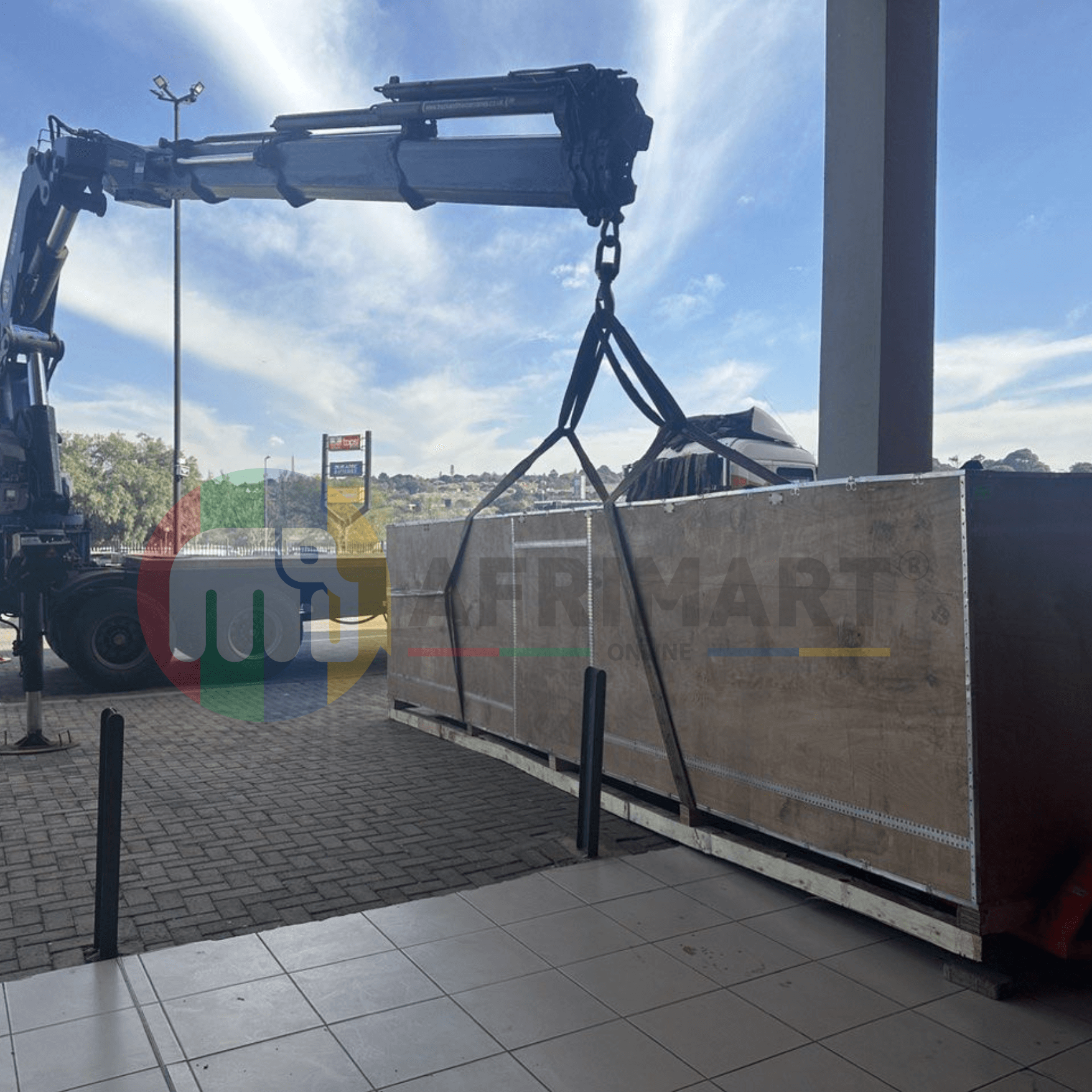
12 Heads Embroidery Machine
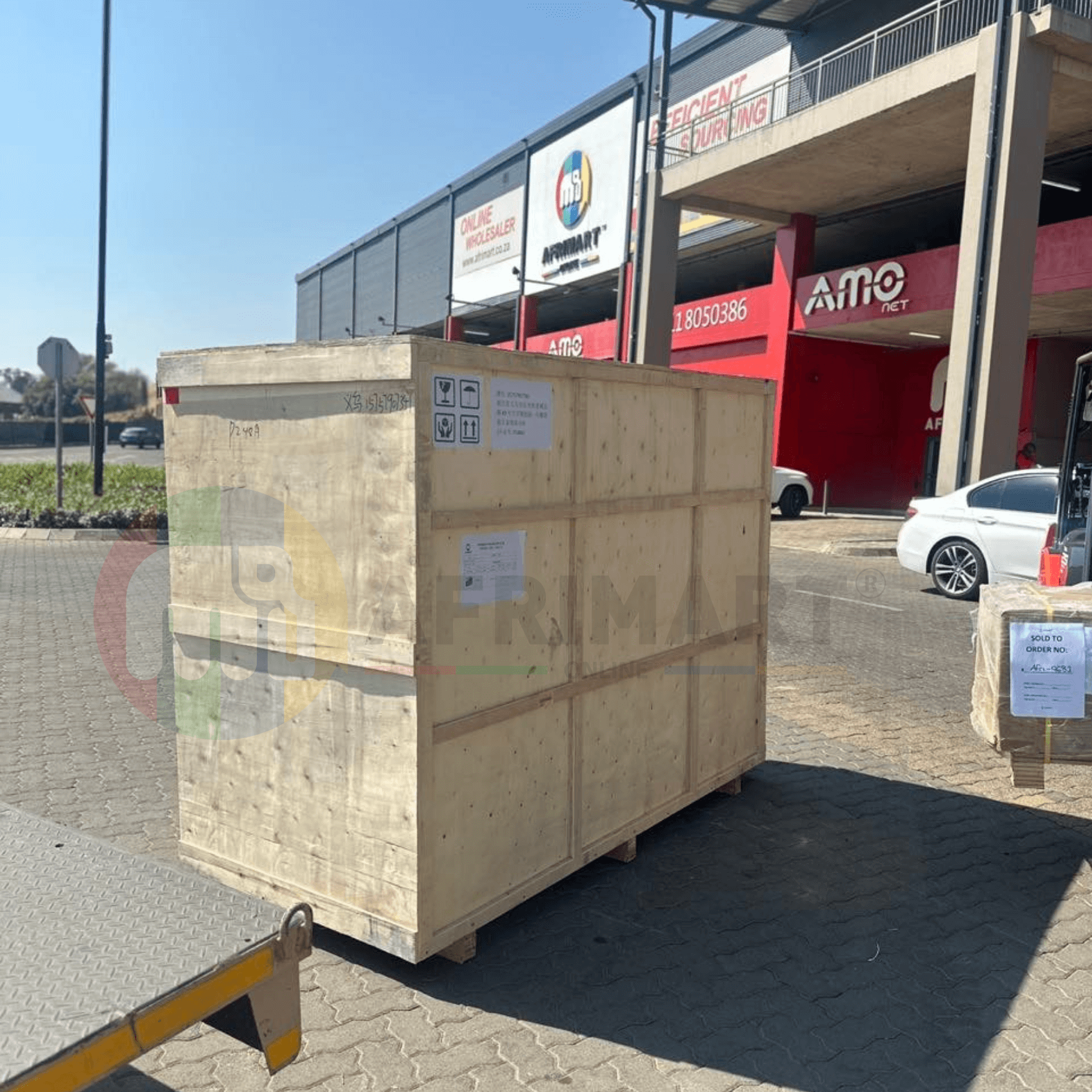
Dewatering Pump Machine
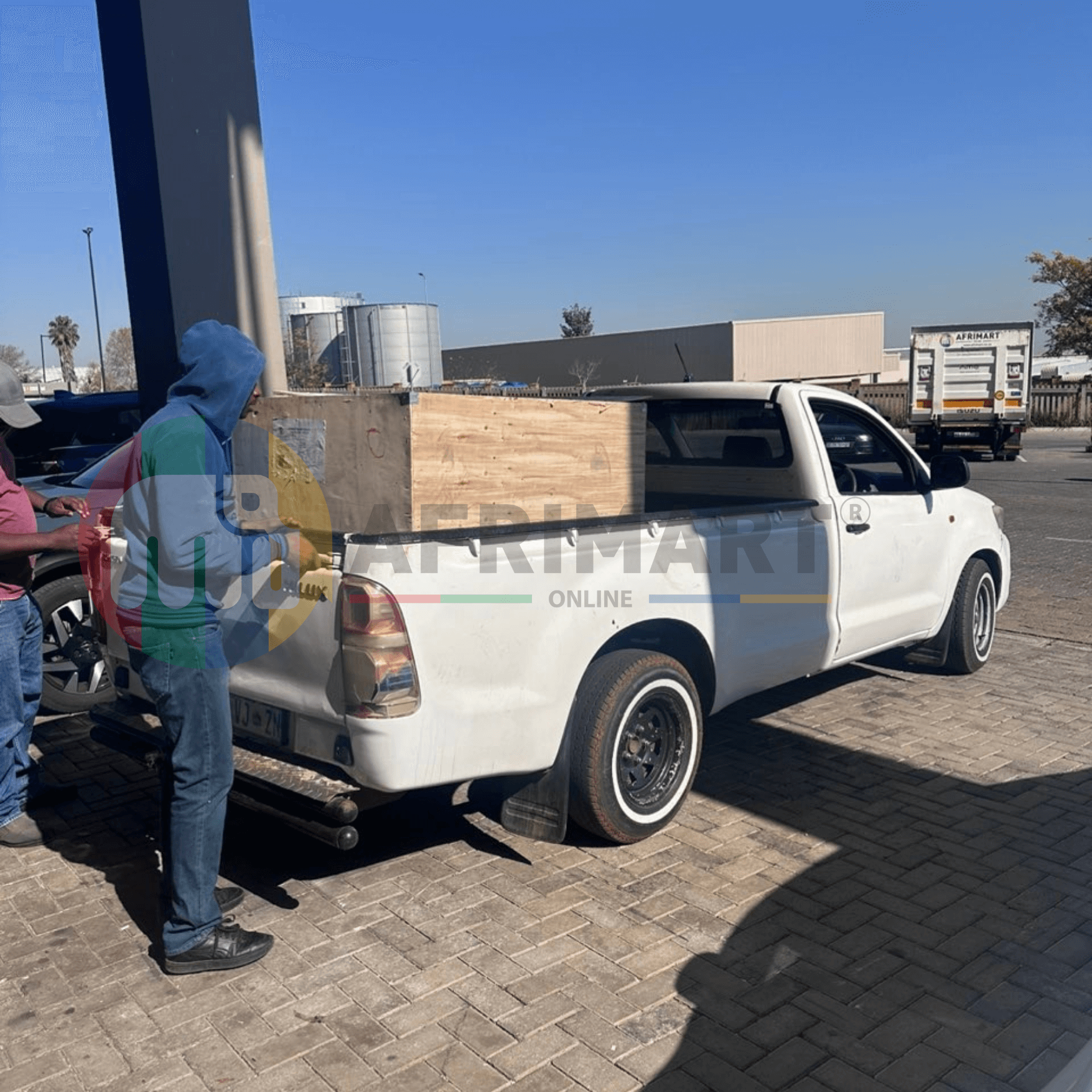
Order Collection
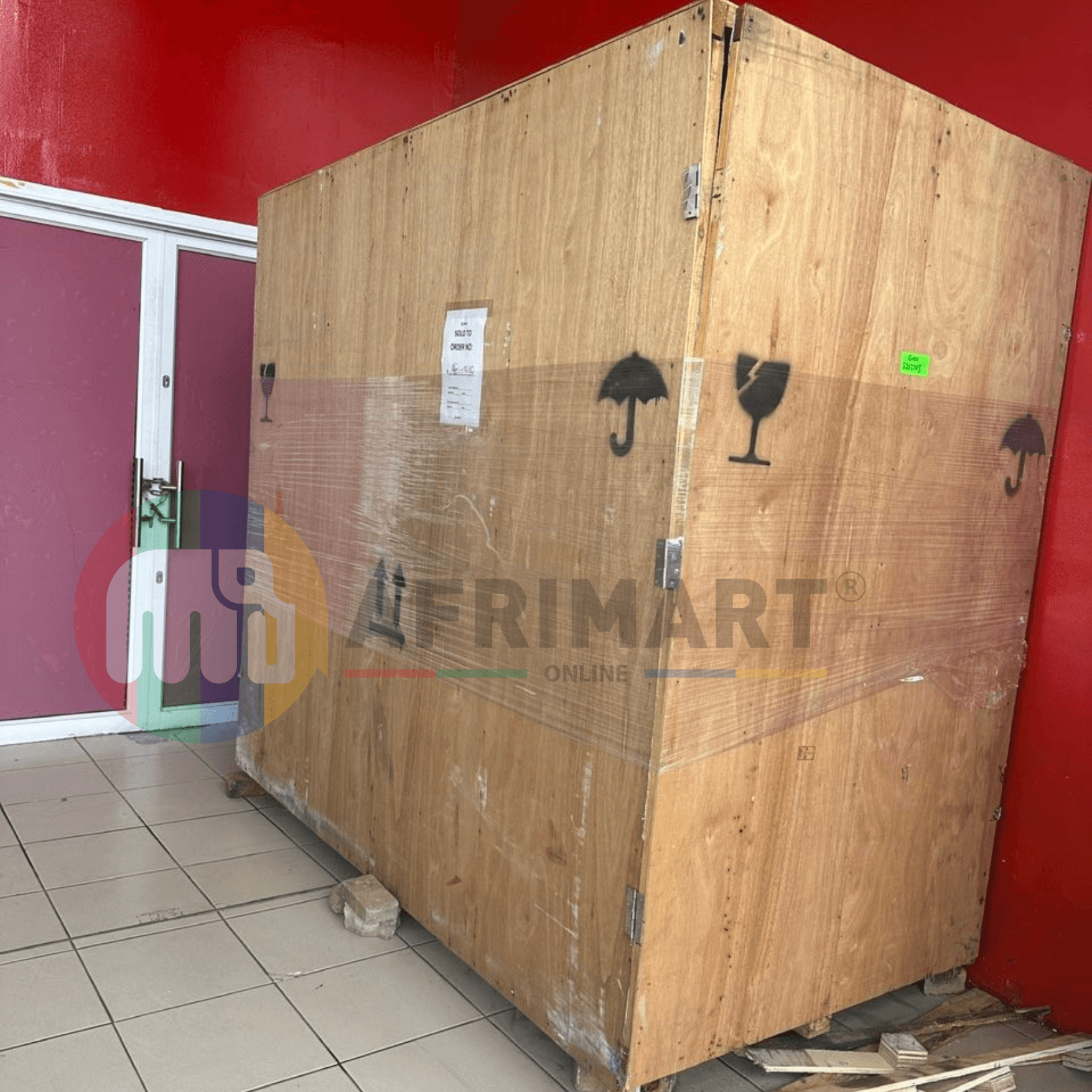
Portable Water Drilling Rig
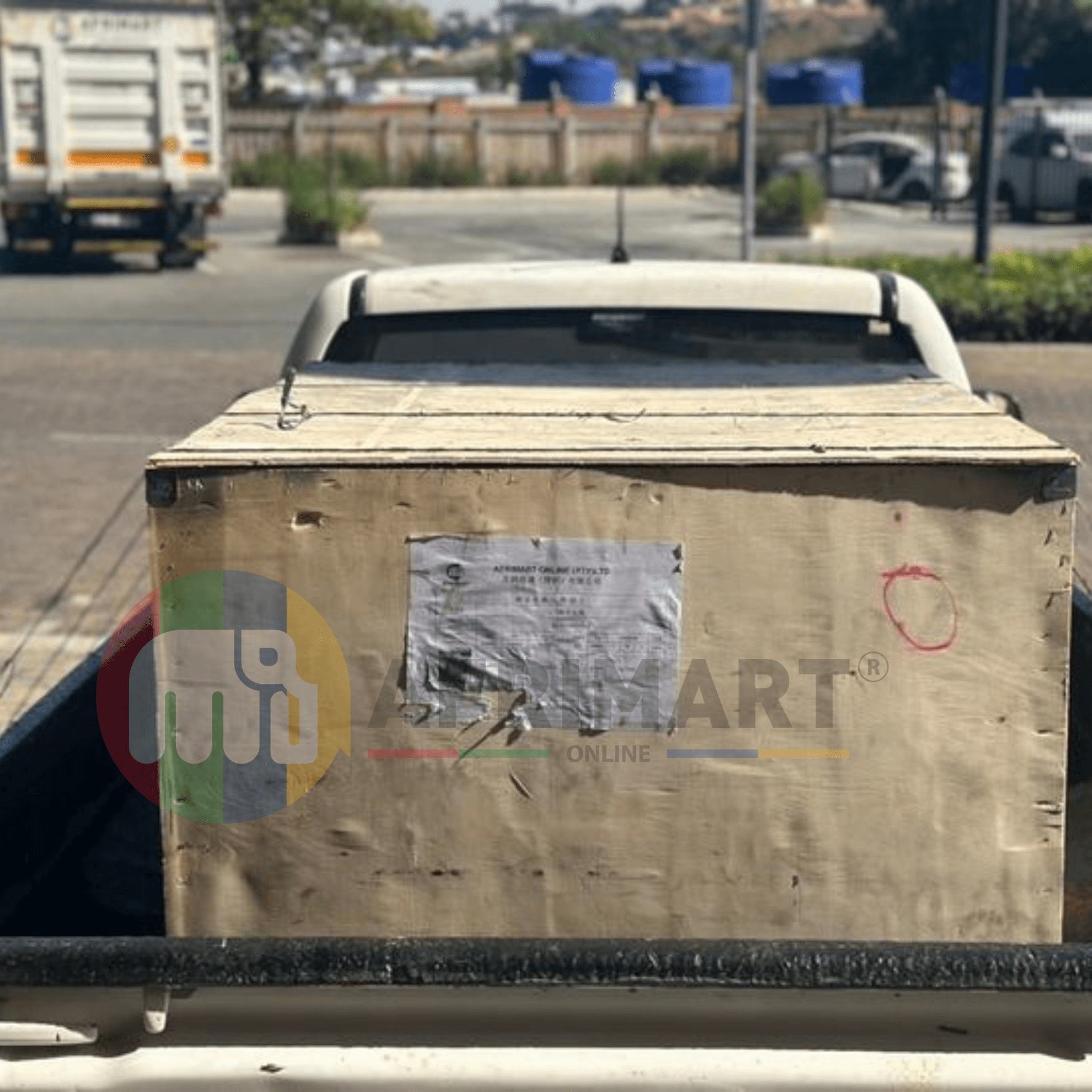
Order Usefully Collected
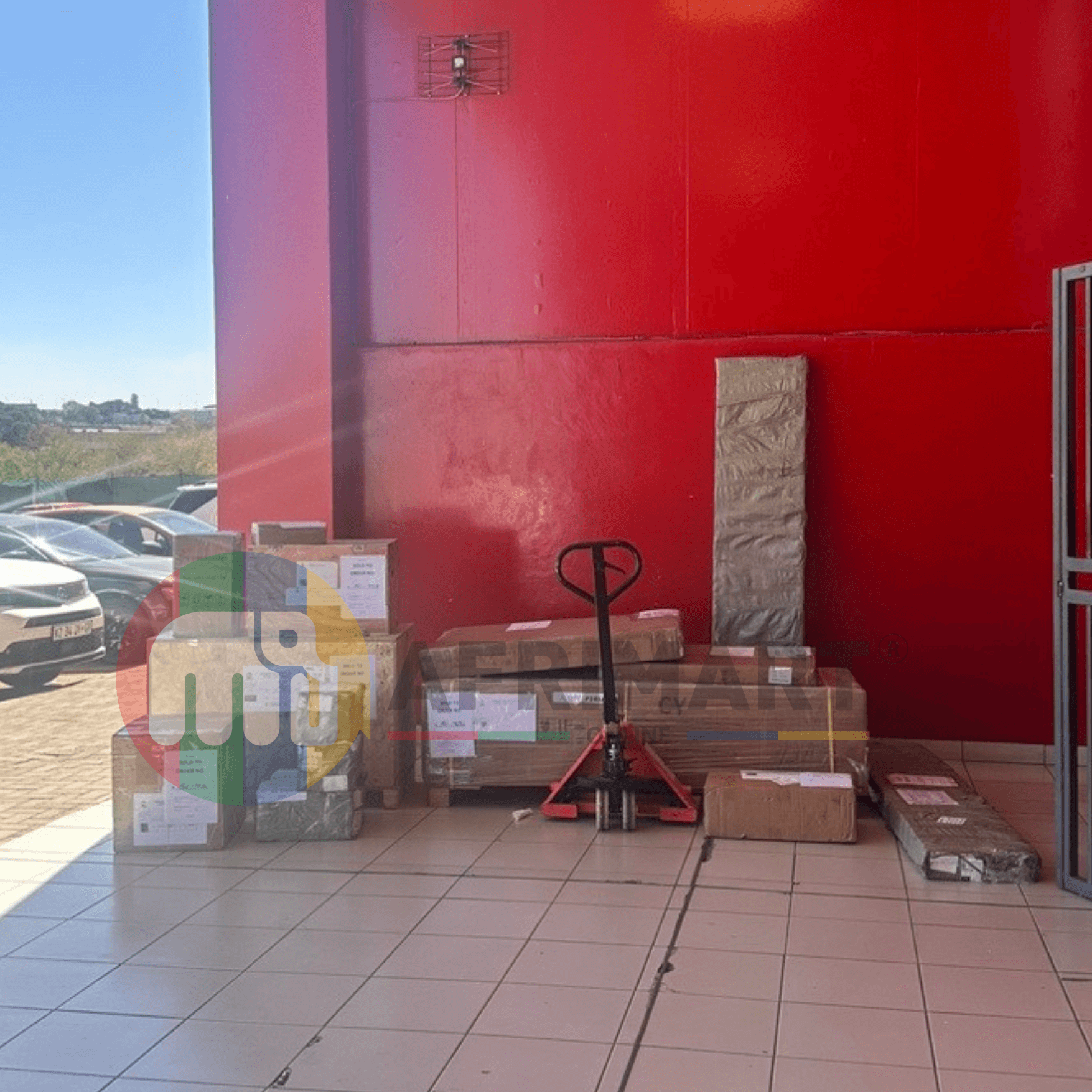
Batch of Orders
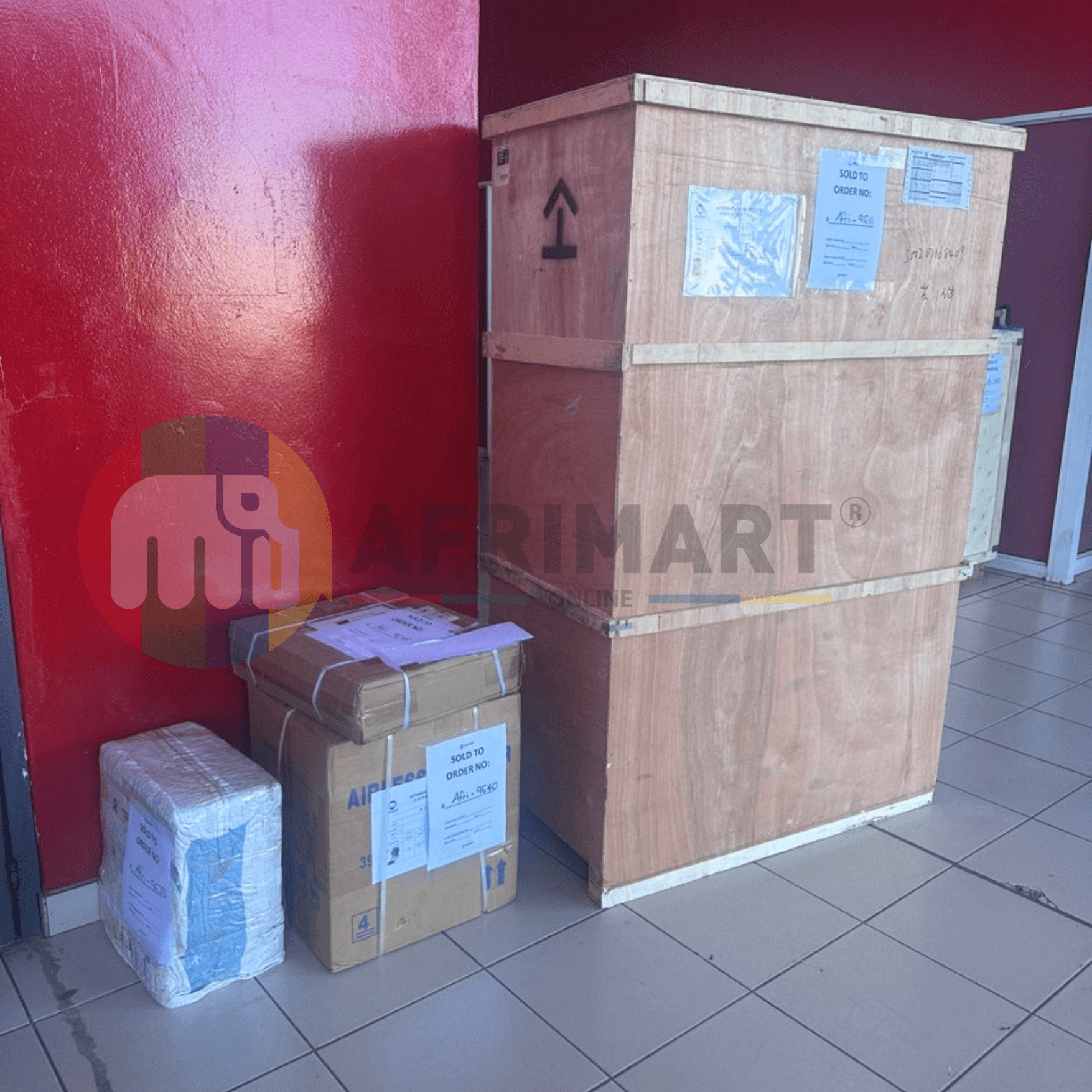
Agriculture Processing Machines
Meat Grinder Machine
Water Pump Equipment
Packaging Machine and accessories
Fabrics Manufacturing Equipment
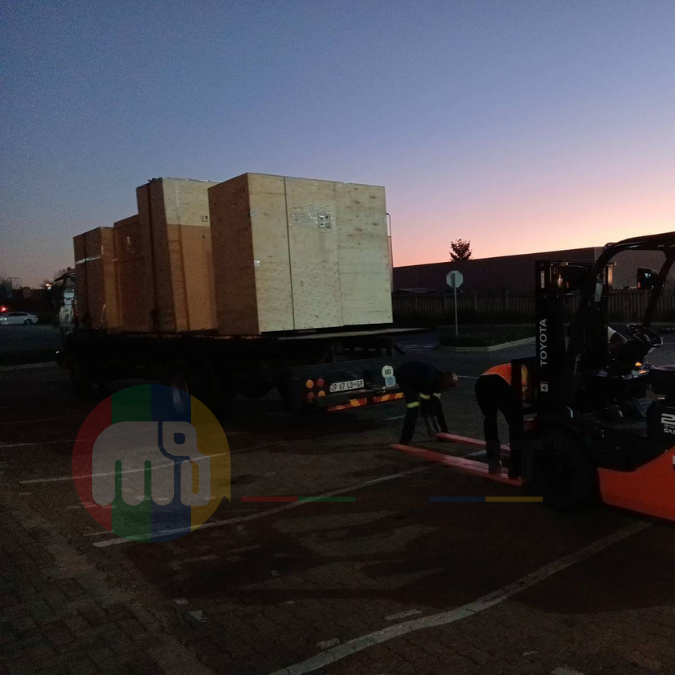
Mining Equipments
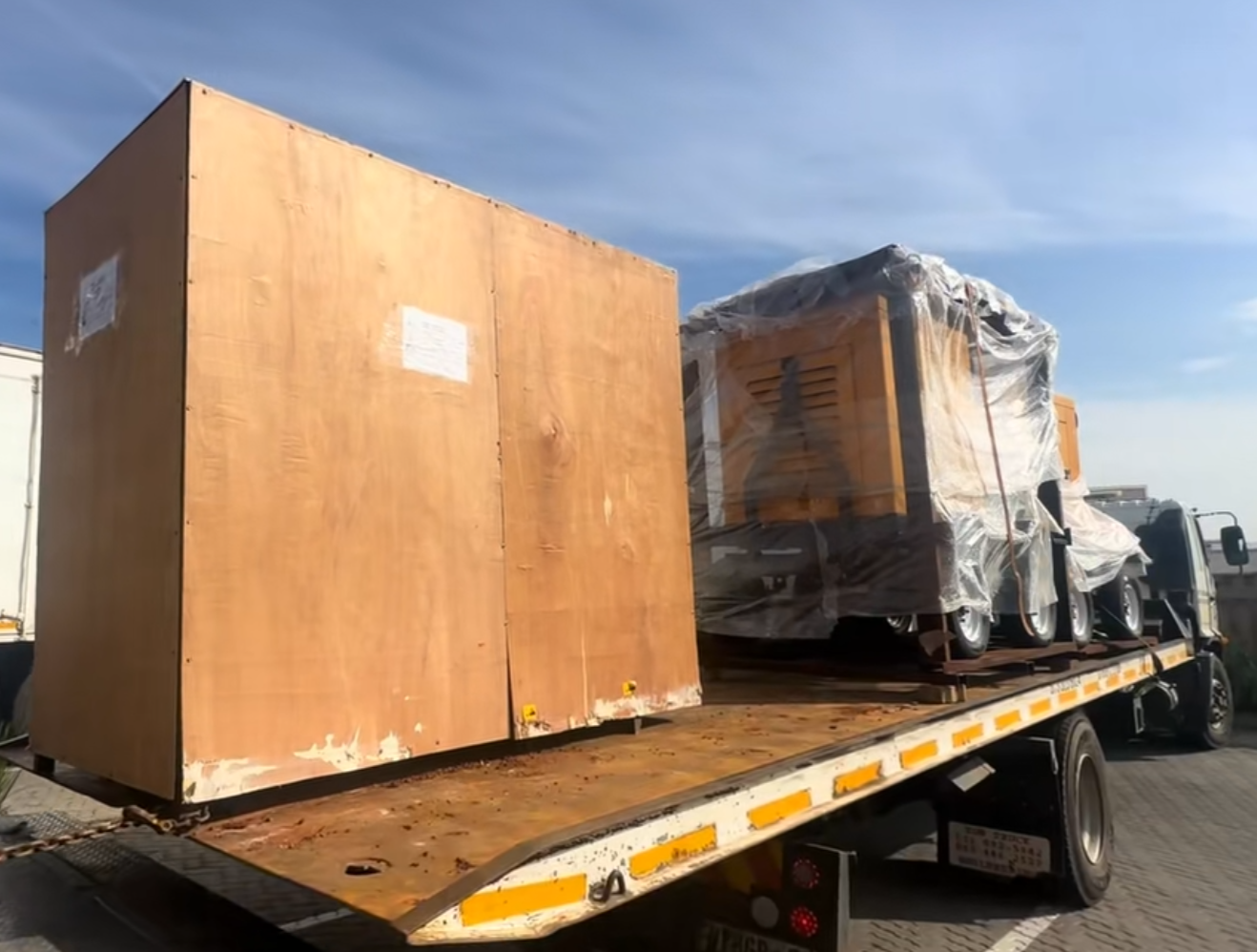
Food Processing Machine
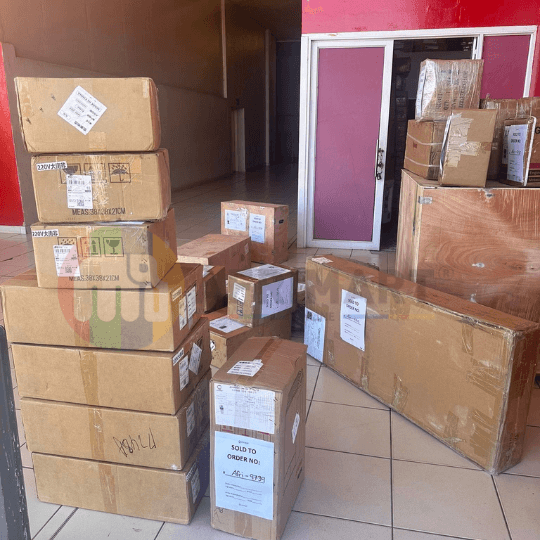
Batch of Orders
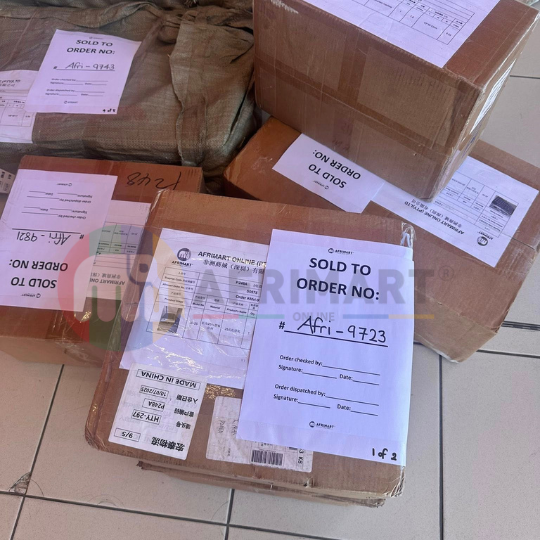
Batch of Orders
Latest Orders Labelled
wheel alignment machines
new arrivals
Pre Orders Offloading
Latest Arrivals
Latest Arrivals
Latest Arrivals
26 January 2026
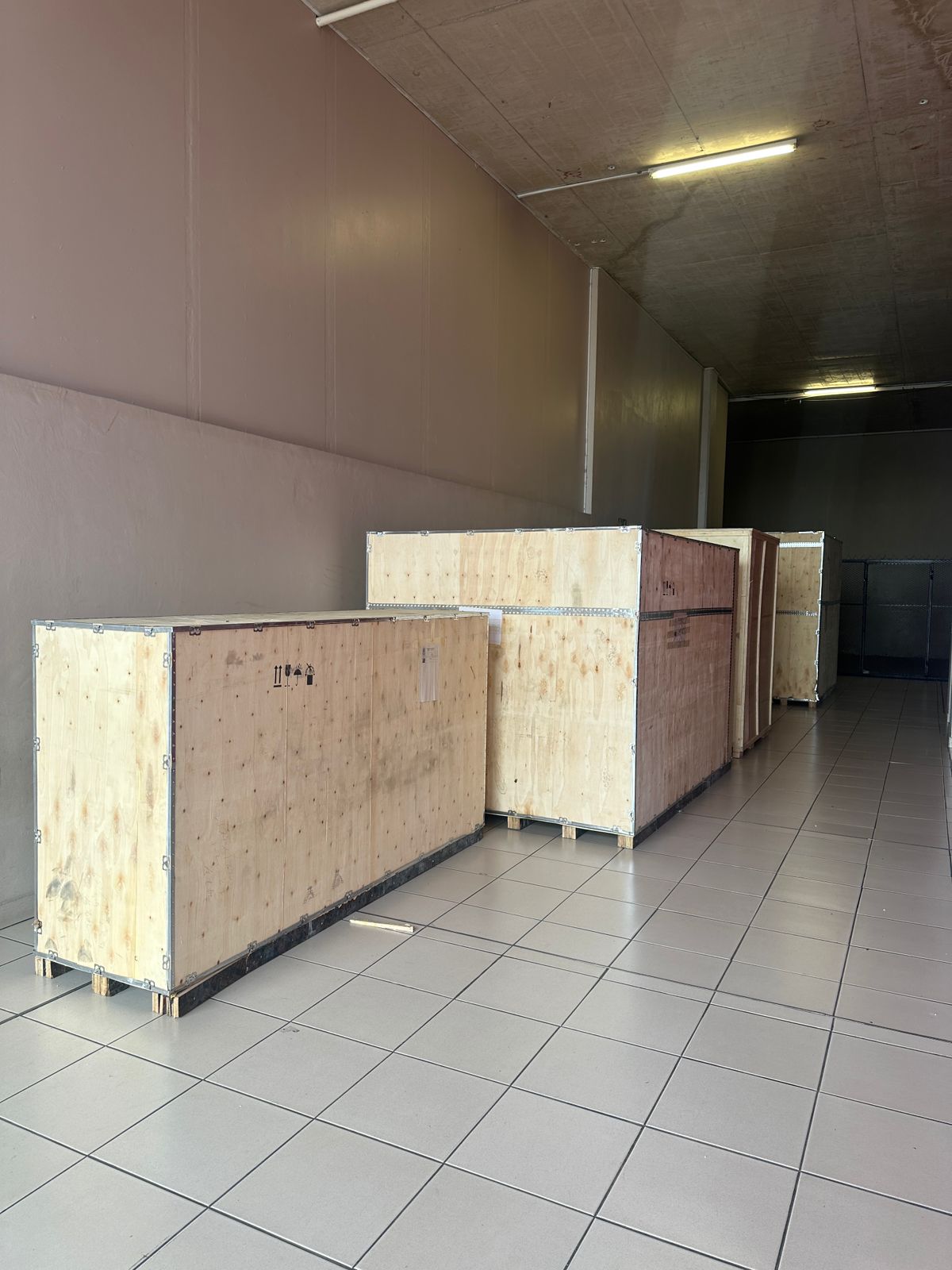
Toilet paper making machine
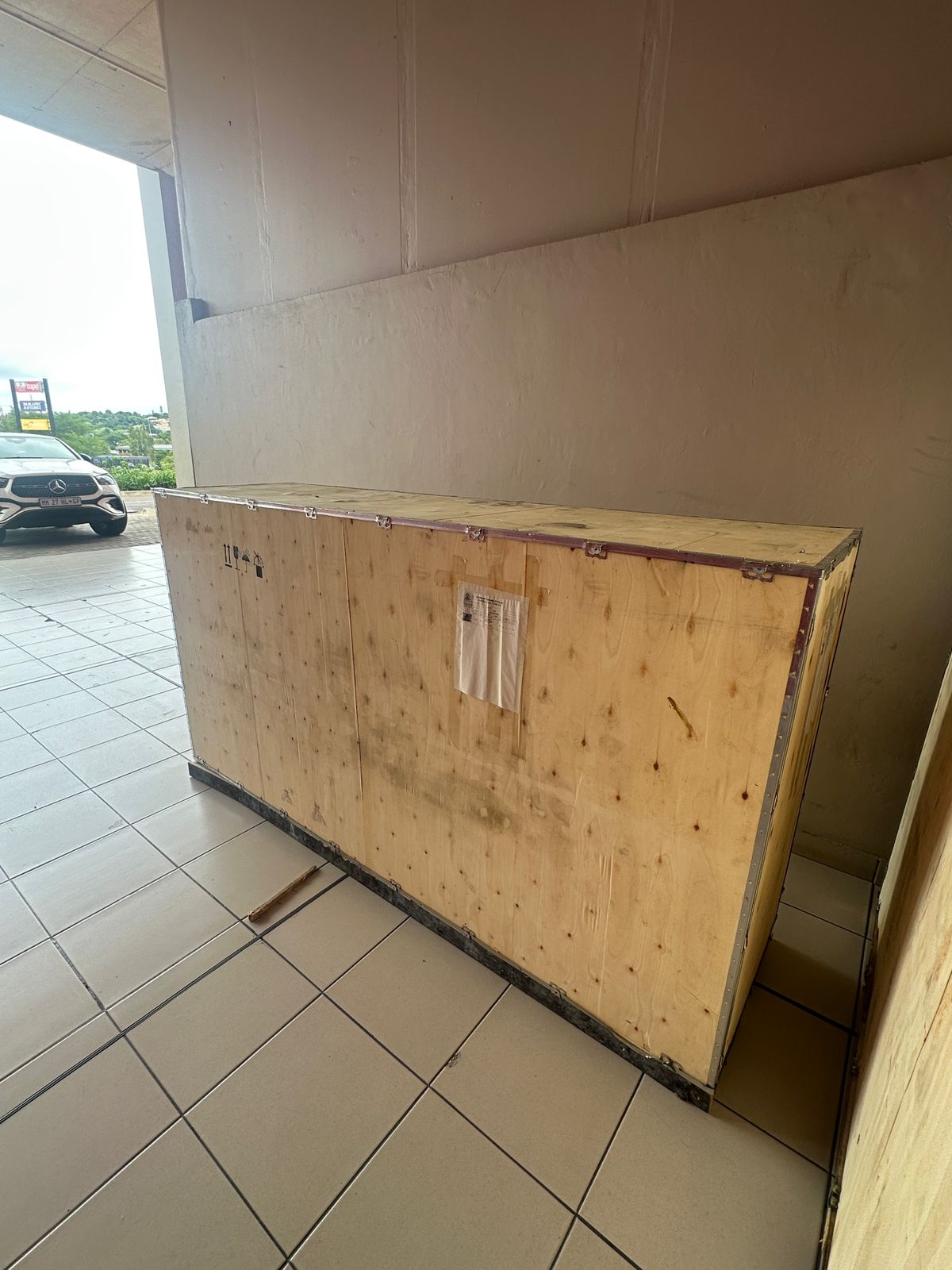
Toilet paper making machine
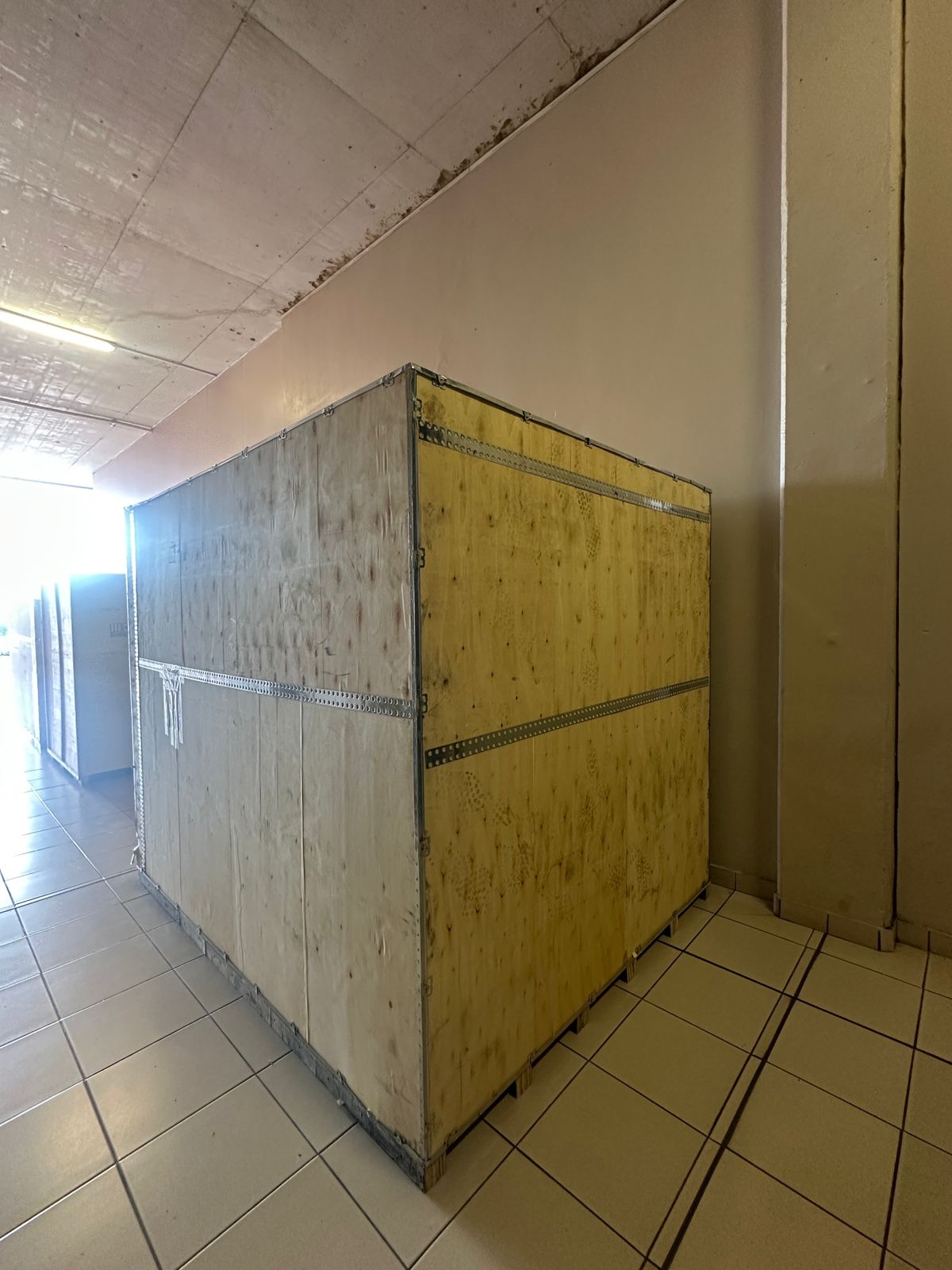
Toilet paper Rewinding Machine
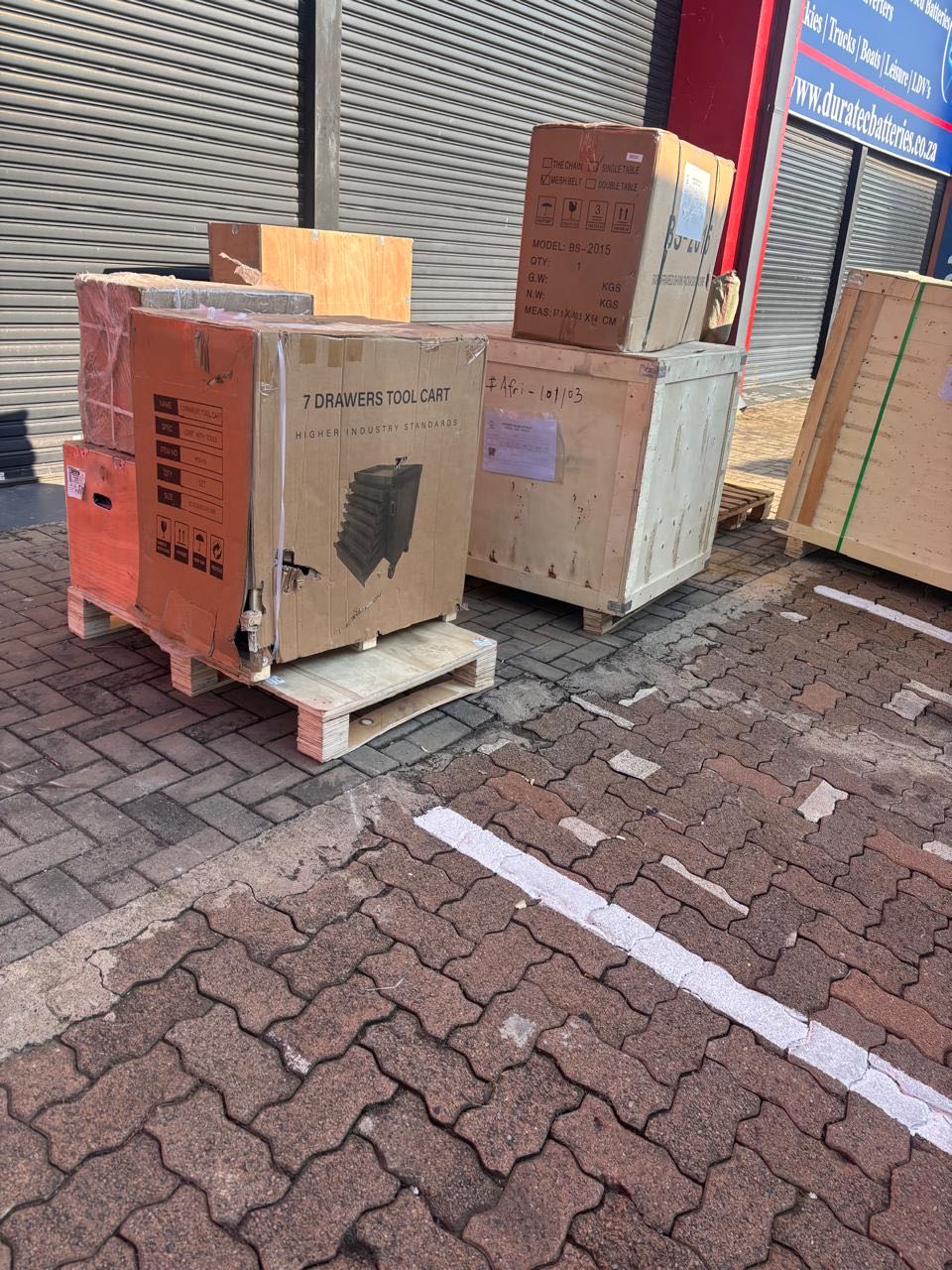
latest arrivals
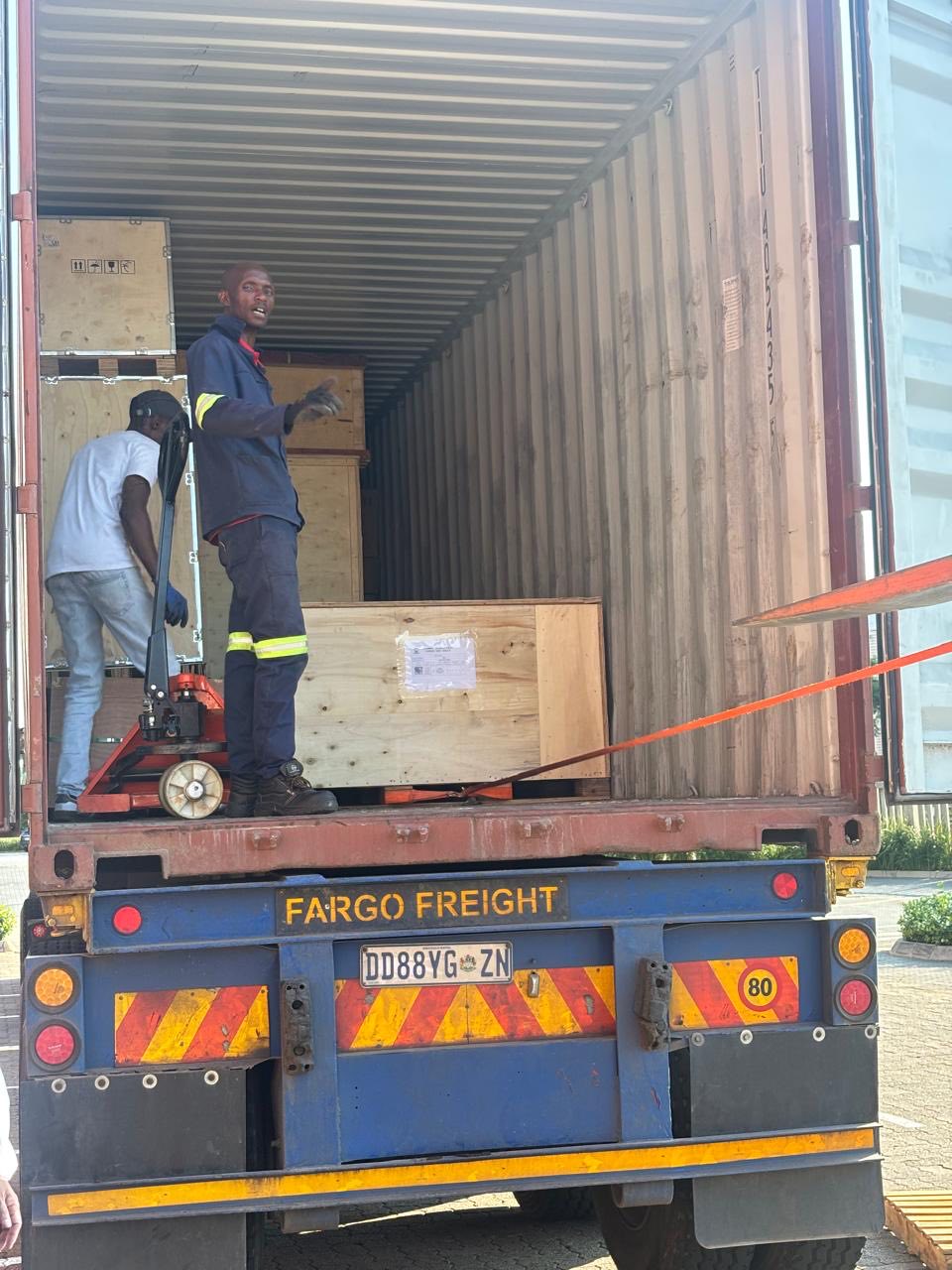
offloading
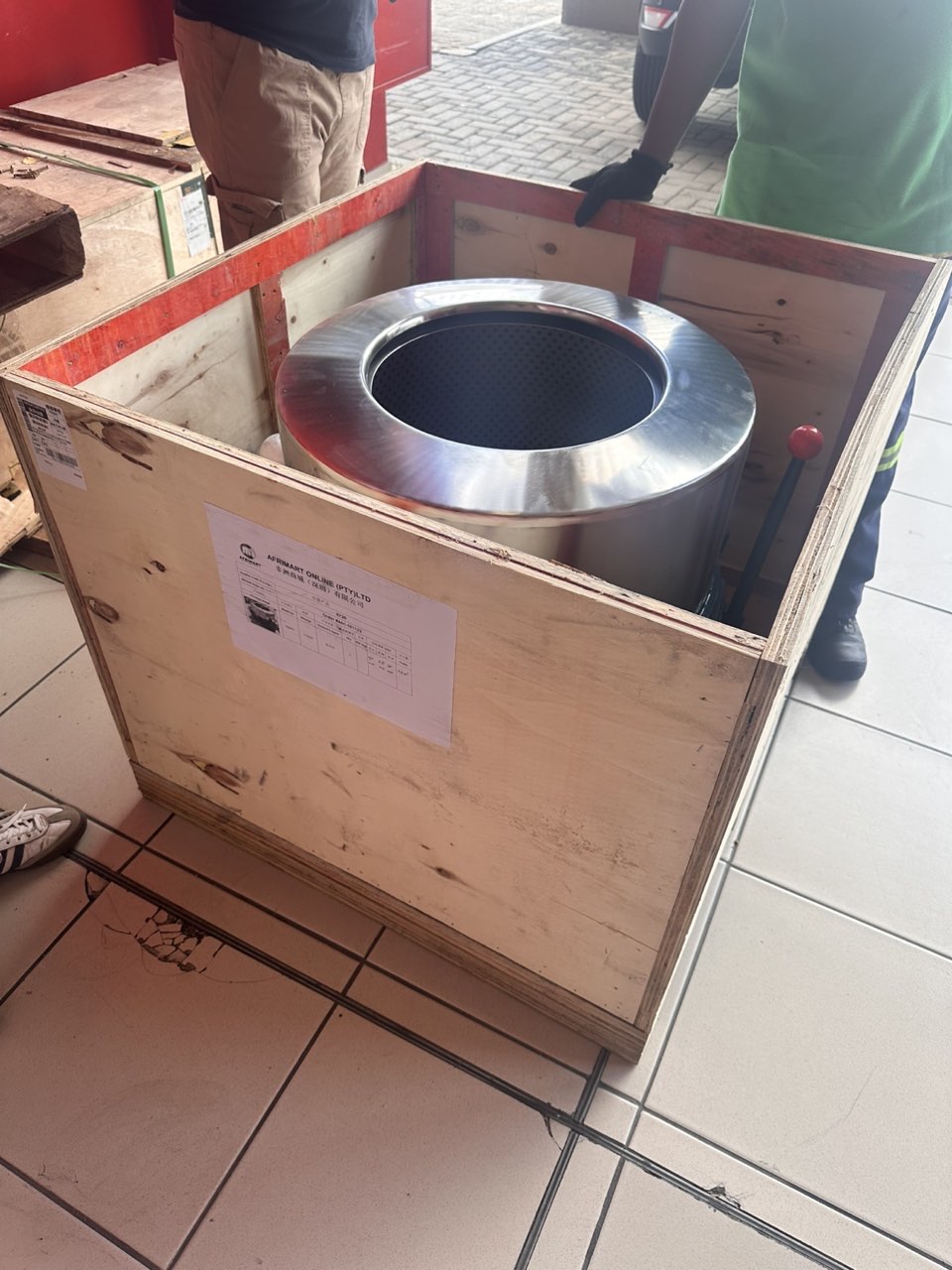
order success
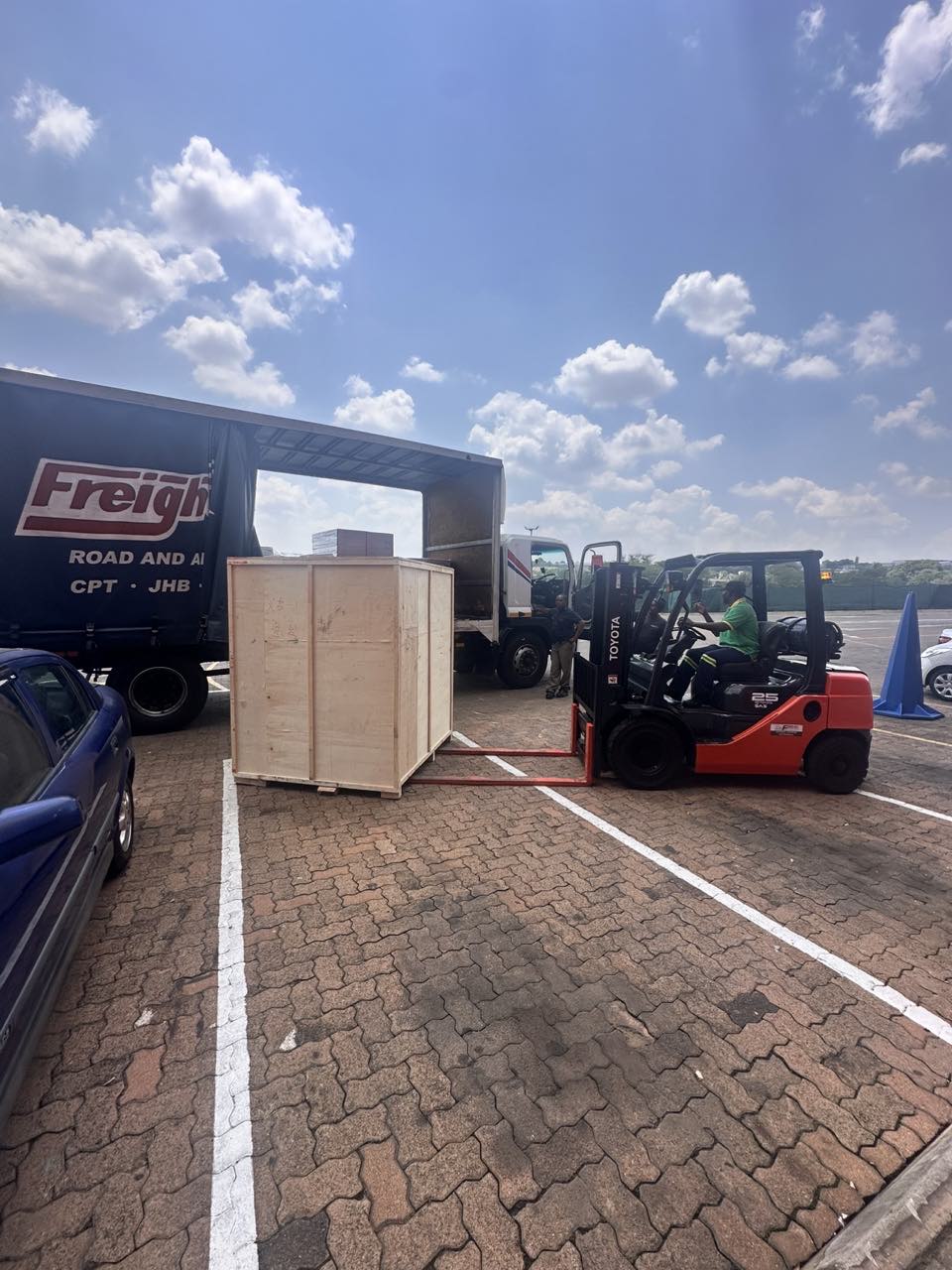
order collection
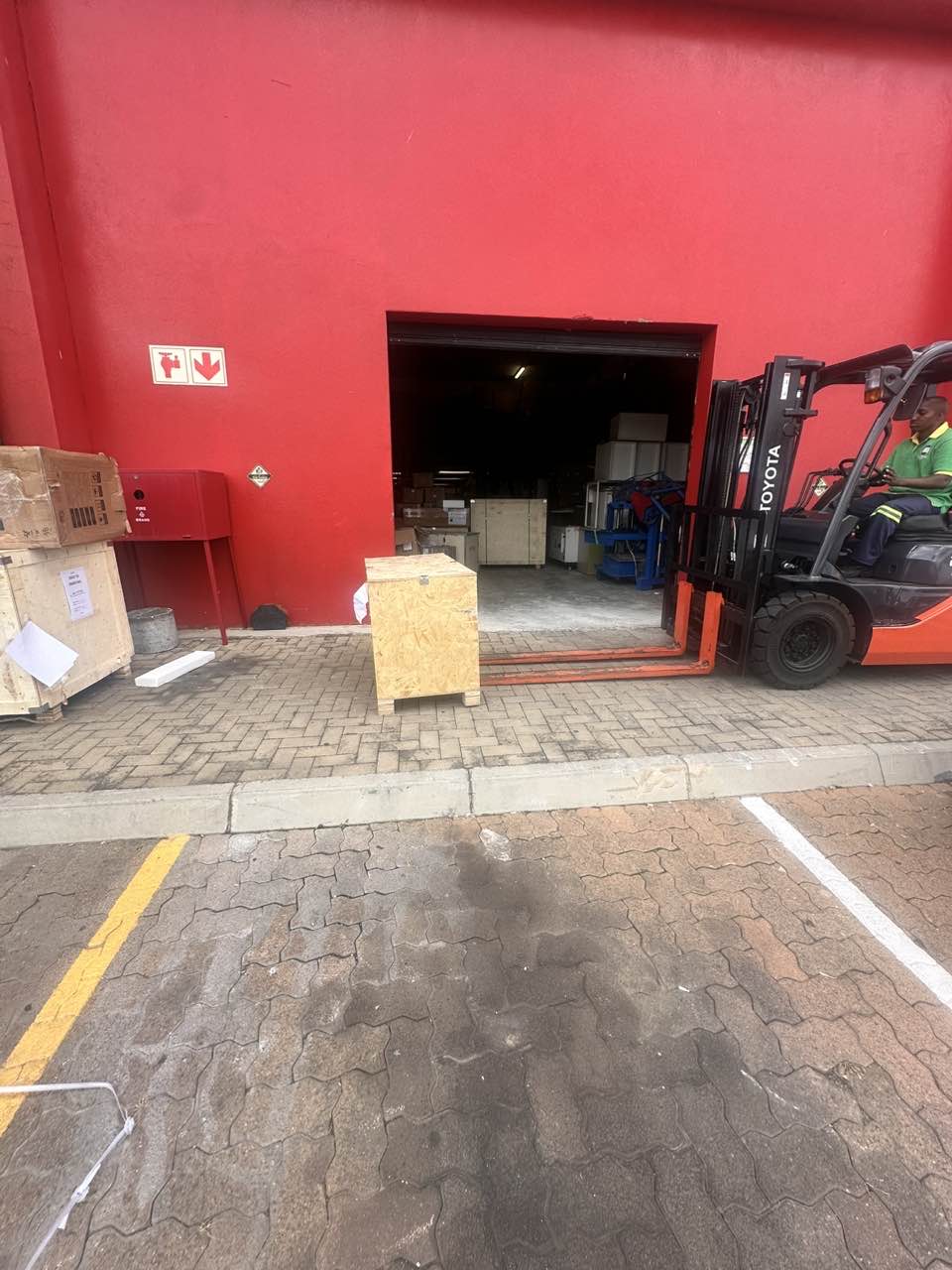
order offloading