B21, China Town Mall, Midrand


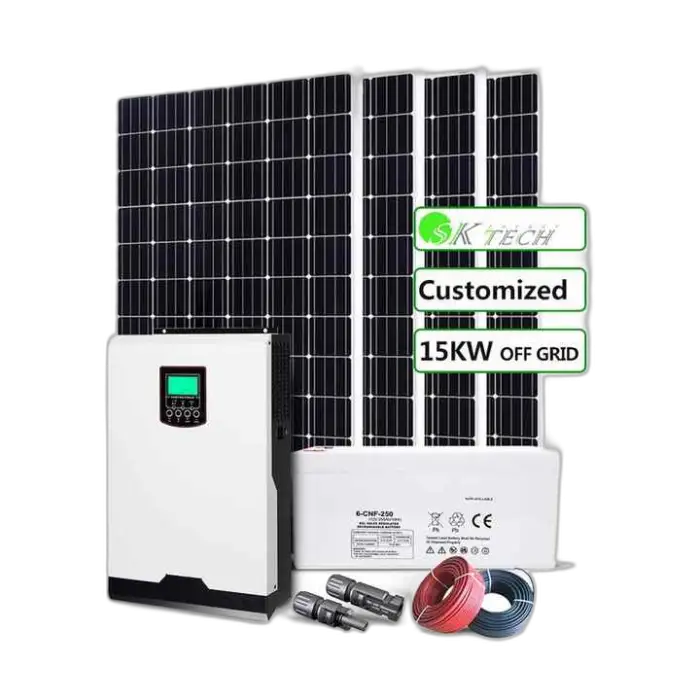
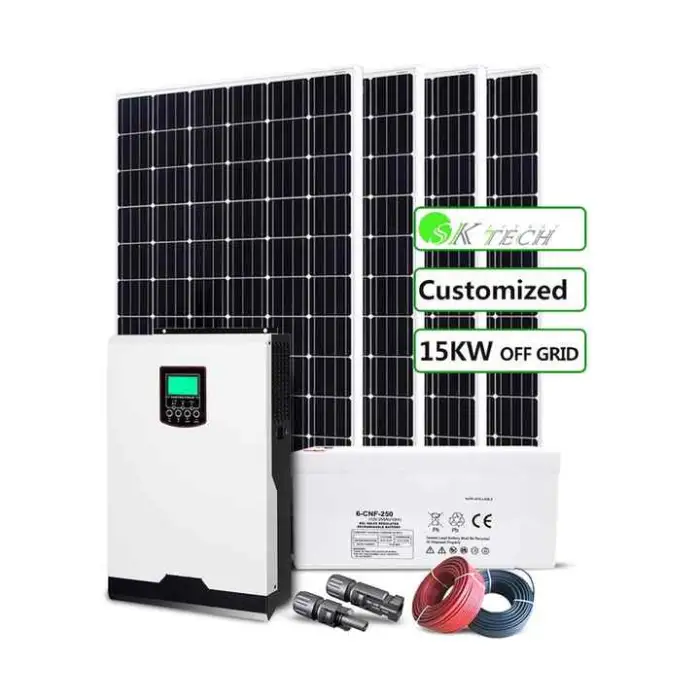
15Kw Super Capacitor Solar System 150Vdc 550Vdc 20Kw 30Kw 48V Battery Offgrid Solar Power System Home With Full Mounting Tools
Asset finance available
Do you want funding for this equipment?
Afrimart can connect you with trusted funding partners who specialise in asset finance for businesses like yours. Compare options and apply in minutes — final approval is subject to provider review.
Check funding options
Secure & no obligation

- Section : Sports & Entertainment
- Category : Other Boxing Products
- SKU : 1600461434018

15Kw Super Capacitor Solar System 150Vdc 550Vdc 20Kw 30Kw 48V Battery Offgrid Solar Power System Home With Full Mounting Tools
The 15Kw Super Capacitor Solar System is an excellent choice for your home energy needs. This off-grid solar power system is efficient, reliable, and easy to set up. It comes with all the necessary mounting tools, making it perfect for anyone looking to harness solar energy. Whether you are looking to reduce your electricity bills or want a sustainable energy source, this solar system has you covered.
Specifications
| Attribute | Details |
|---|---|
| Solar Panel Type | Monocrystalline Silicon, Polycrystalline Silicon |
| Controller Type | MPPT, PWM |
| Load Power (W) | 5KW, 15KW |
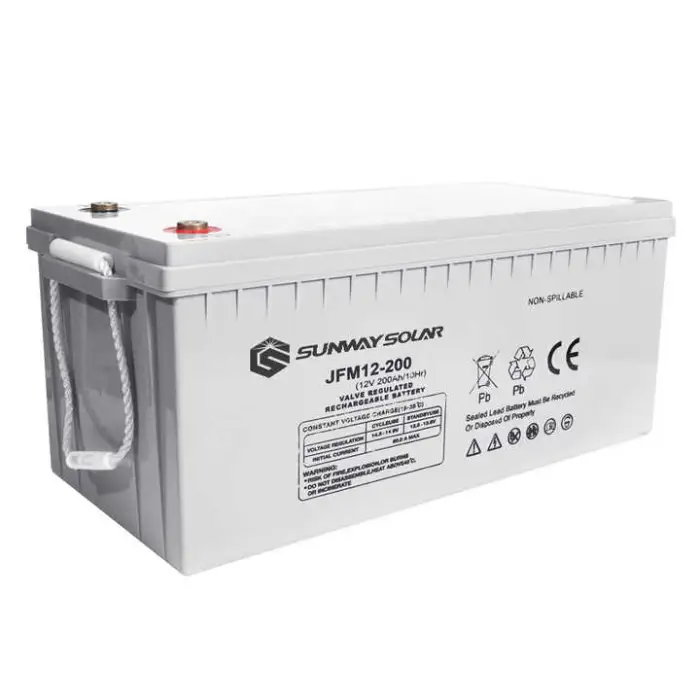
| Battery Type | Lead-Acid, Lithium Ion |
| Output Voltage (V) | EU: 220-240V |
| Work Time (h) | 24 hours |
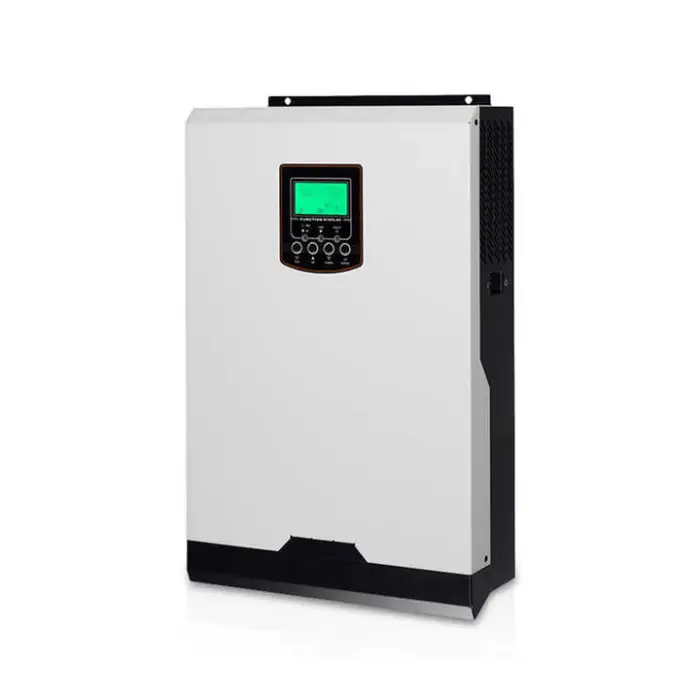
| Inverter | 15kva off grid inverter |
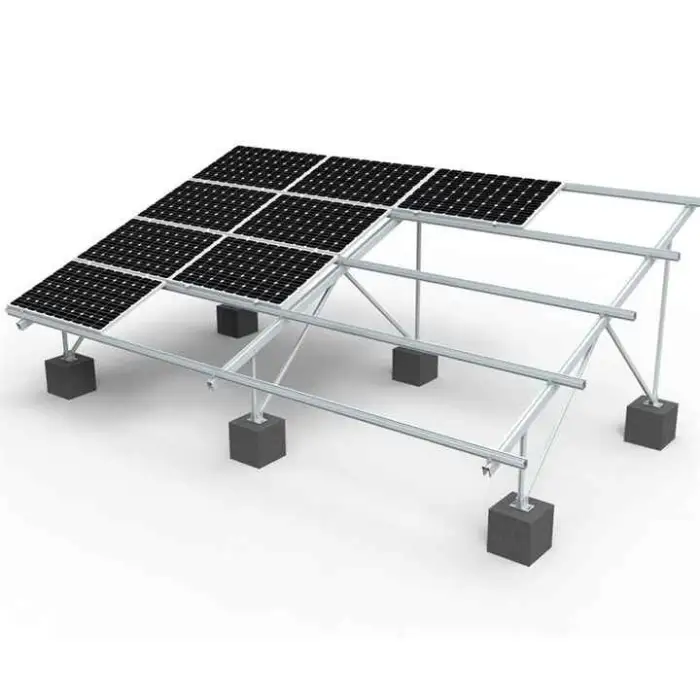
| Mounting Type | Ground Mounting |
| System Type | Off grid System |
| Function | Power Support |
| Packing | Composite material box |
| Single gross weight | 400.000 KG |
Key Features
- High-efficiency monocrystalline and polycrystalline solar panels.
- MPPT and PWM controller types for optimal energy management.
- Power output options of 5KW and 15KW to suit different needs.
- Compatible with lead-acid and lithium-ion batteries.
- Customizable mounting structure for easy installation.
- Reliable power supply for up to 24 hours.
- Durable packaging to ensure safe delivery.
Applications
- Residential homes seeking renewable energy solutions.
- Remote locations without access to the electricity grid.
- Backup power for emergencies and outages.
- Eco-friendly energy source for off-grid living.
- Supporting power for small businesses or farms.
Product Info Gallery
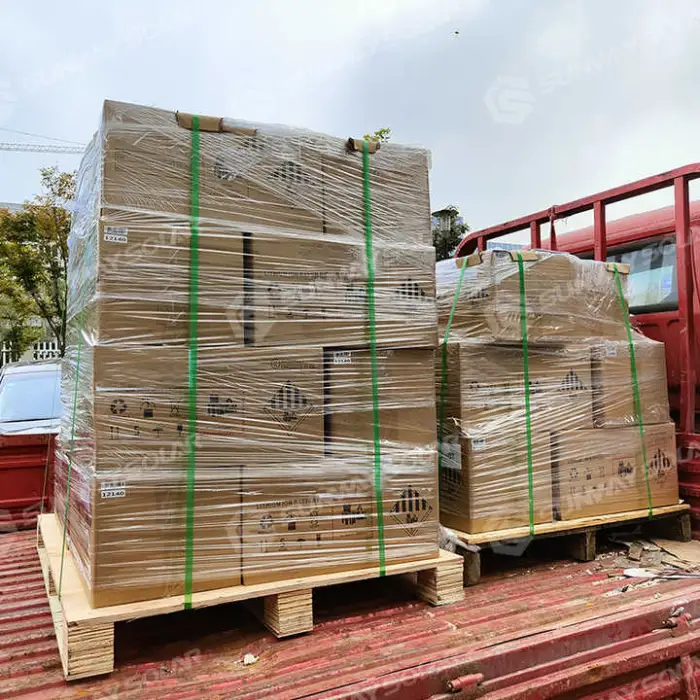
- Shipping Timeframes: All orders are processed within 2-5 business days (excluding weekends and holidays). After your order has been processed, the estimated delivery time is before 03 Aug, 2026, depending on customs, Please note that due to high demand, some items may experience longer shipping times, which will be communicated at order confirmation email.
- Order Processing Time: Please allow 2-5 business days for us to process your order before it is shipped . Orders placed after 16:00 on Fridays, or during weekends and public holidays, will begin processing on the next business day. Processing times may be extended during peak seasons or sales events.
- Manufacturing Time: Some products needs manufacturing time, the manufacturing process will take approximately 10-30 business days depending on the product. This timeframe may vary depending on the complexity of the product and current demand. but this will be communicated with you during order confirmation.
- Returns and Exchanges: We offer a 30-day return policy for most items. If you are not completely satisfied with your purchase, you may return it within 30 days of receipt for a refund or exchange. Items must be unused, in their original packaging, and accompanied by proof of purchase. Return shipping costs are the responsibility of the customer, unless the item was damaged or defective upon arrival.
1. What is included with the 15Kw Super Capacitor Solar System?
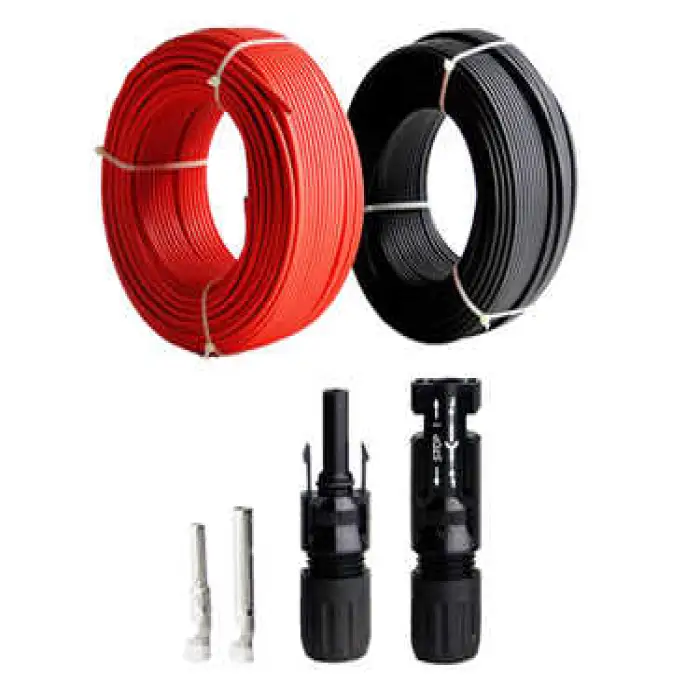
The system includes solar panels (monocrystalline or polycrystalline depending on configuration), an off-grid inverter (15 kVA model for the 15 kW system), MPPT or PWM charge controller, mounting structure and full mounting tools, and packaging (composite material box). Batteries (lead-acid or lithium-ion) and any optional super-capacitor modules may be supplied depending on the chosen package — confirm with the seller.
2. What does "super capacitor" mean in this system?
A super capacitor (ultracapacitor) provides very fast charge/discharge response and high cycle life. In hybrid energy systems it is typically used alongside batteries to handle short-duration high-power demands and improve overall system responsiveness and battery lifetime. Confirm with the supplier whether super-capacitor modules are included and how they are integrated with the battery bank.
3. What power and system size options are available?
The listing supports multiple power options. Common configurations include 5 kW and 15 kW nominal inverter/load capacities, and higher package options up to 20 kW or 30 kW may be offered. Ask the vendor which specific package you are ordering to confirm exact components and ratings.
4. Which battery types are compatible with this system?
The system is compatible with both lead-acid and lithium-ion (Li-ion) battery types. The product name also references 48 V battery architectures; ensure you specify the battery voltage and chemistry when ordering so the inverter/charger and controllers are configured correctly.
5. What are the DC input and AC output voltages?
DC input ranges referenced in the product name include 150 VDC and 550 VDC (these refer to PV array/inverter input voltages for different configurations). The AC output for EU markets is 220–240 VAC. Confirm the exact DC input range and output phase configuration with the seller for your selected model.
6. How long will the system power my home? Can it run 24 hours?
Runtime depends on battery capacity, daily solar generation, load profile and system configuration. The product is designed to support continuous operation with appropriate battery and energy management; the description notes support for up to 24 hours when sized and configured correctly. For an accurate runtime estimate, provide your typical hourly loads so the vendor can size batteries and PV appropriately.
7. What type of charge controller does the system use?
The system supports both MPPT (Maximum Power Point Tracking) and PWM (Pulse Width Modulation) charge controllers. MPPT controllers are recommended for higher efficiency and better energy harvest, especially with higher-voltage PV arrays.
8. Is the mounting hardware included and what mounting types are supported?
Yes — the listing includes full mounting tools and a customizable mounting structure. The standard mounting type listed is ground mounting. Roof or pole mounts may be possible as custom options; check with the supplier for alternate mounting solutions.
9. Can this system be expanded or upgraded later?
Many off-grid systems are modular and can be expanded (additional panels, batteries, or inverters) but expandability depends on the inverter/charger architecture and the chosen configuration. Confirm expansion limits (e.g., maximum battery bank size, PV input limits, and parallel inverter capability) with the manufacturer before purchasing.
10. Does this system support backup from a generator or grid charging?
Off-grid inverters commonly support generator input and some models support configurable grid/generator charging if wired accordingly. Check the inverter specifications and firmware features with the supplier to confirm generator synchronization or AC-input charging capabilities.
11. What are the recommended maintenance tasks and expected component lifetimes?
Regular maintenance typically includes cleaning panels, checking mounting hardware and cable connections, and monitoring battery health. Solar panels commonly have multi-decade service life (often 20–30+ years), while battery life varies by chemistry and cycling (lead-acid typically shorter than lithium-ion). Super-capacitors generally have very high cycle life. Ask for recommended maintenance schedules and expected lifetimes for the exact components you receive.
12. How heavy and bulky is the system for shipping and installation?
The product specification lists a single gross weight around 400 kg for the packaged system. Actual weight varies by configuration and included components. Because of the weight and size, professional handling and installation are recommended.
13. What certifications and safety standards does the system meet?
Certifications (CE, IEC, UL, etc.) and safety compliance depend on the specific components and the market variant. The product listing does not specify certificates — request copies of applicable certifications, test reports and compliance documentation from the supplier before purchase.
14. Can the system run common household appliances (fridge, AC, pumps)?
Yes — a properly sized 15 kW system can run many household appliances, including refrigerators, lights, pumps and multiple appliances simultaneously. Air conditioners and large motors have high startup currents, so inverter surge capability and battery sizing must account for that. Provide a list of appliances and usage patterns to get a precise sizing recommendation.
15. Do you provide installation services and system commissioning?
Offerings vary by vendor. Many suppliers provide documentation and mounting tools for DIY installation but recommend professional installation for safety and warranty reasons. Ask the seller whether they offer installation, commissioning, or local installation partners.
Latest Order Arrivals
Discover our latest orders
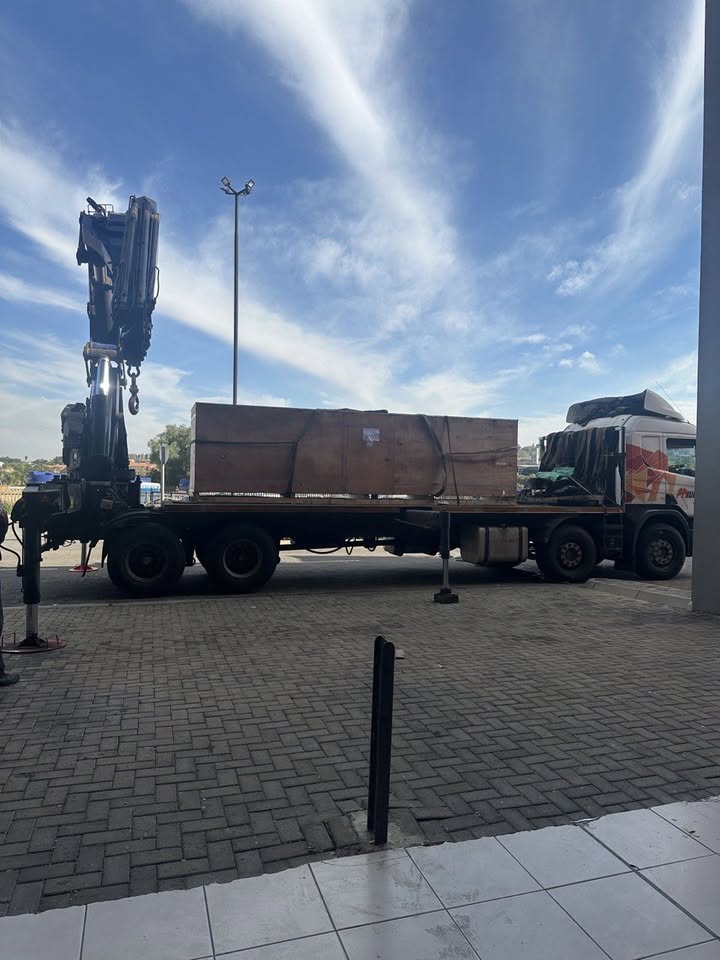
12 Heads Embroidery Machine
Toilet Paper Machine Machine
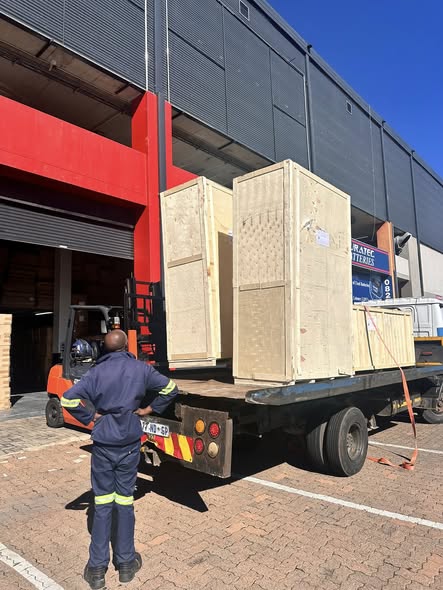
Order Collection
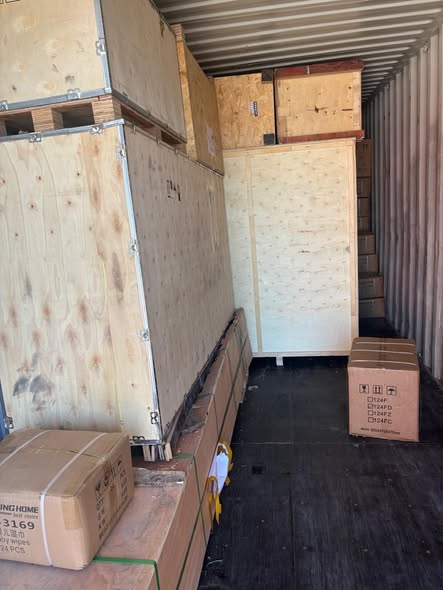
Cross Border Clients
Order cros border countries Collected
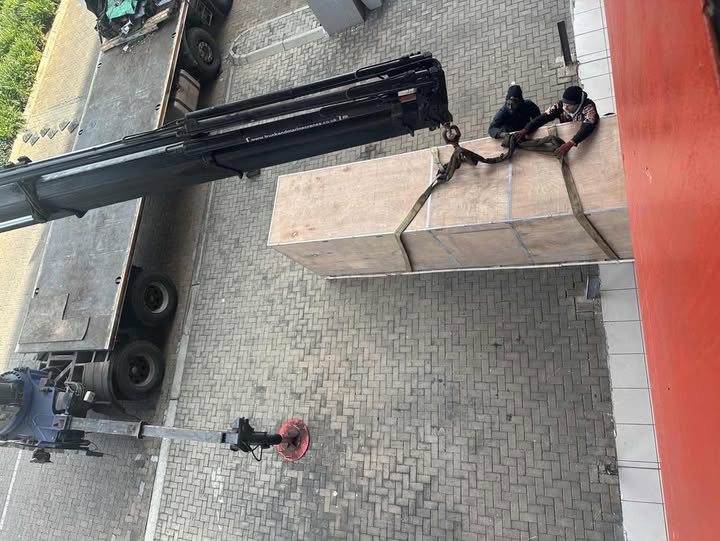
Industrial Machine Cllection
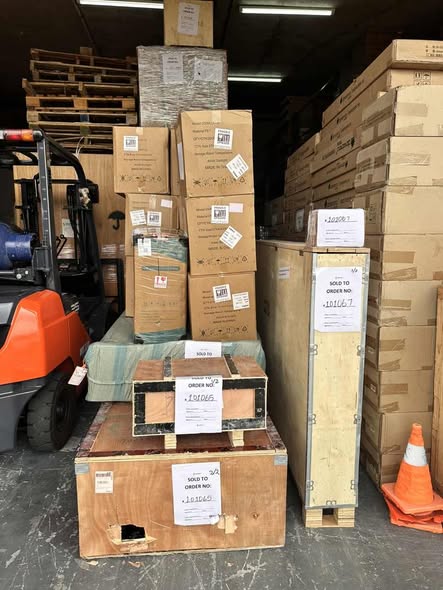
Agriculture Processing Machines
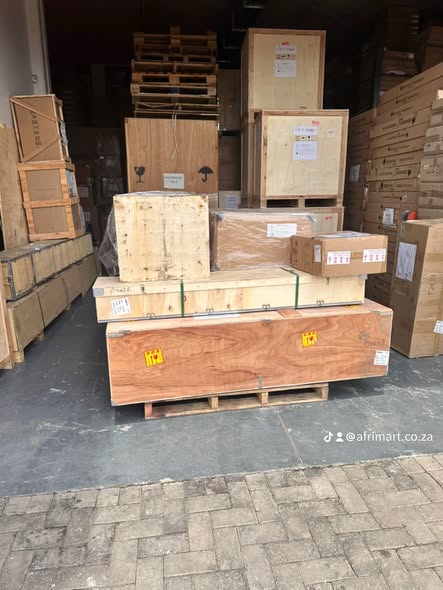
Ready for collection
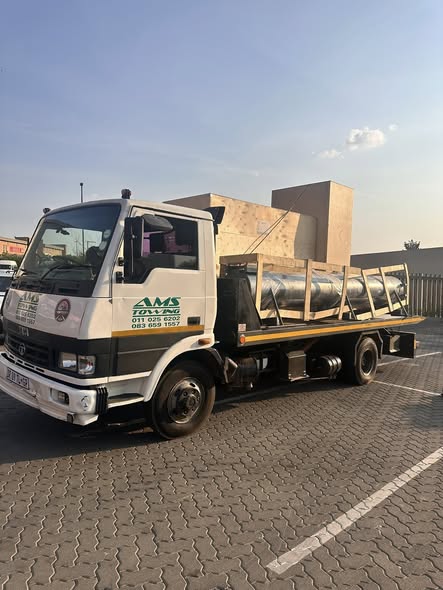
Water Pump Equipment
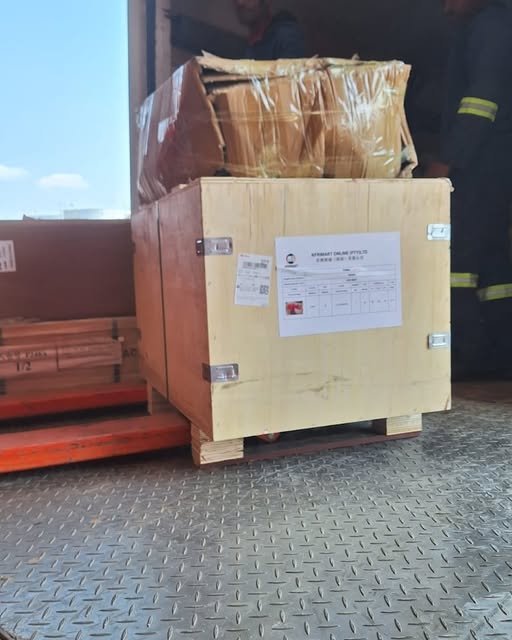
Packaging Machine and accessories
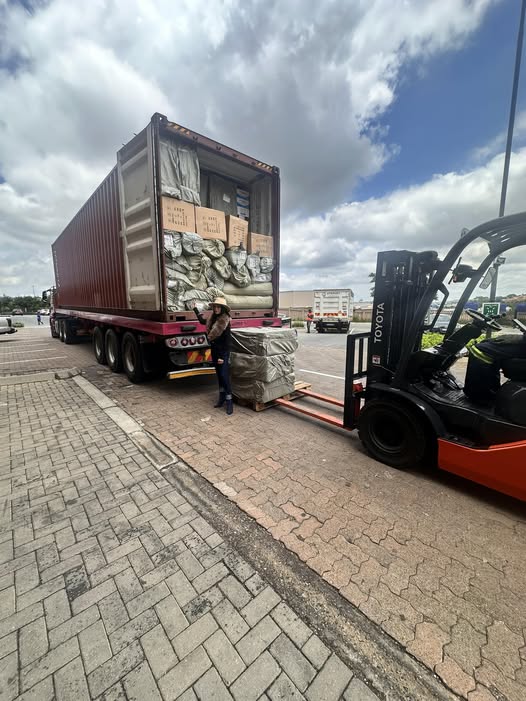
Fabrics Manufacturing Equipment
Mining Equipments
Food Processing Machine
Batch of Orders
Batch of Orders
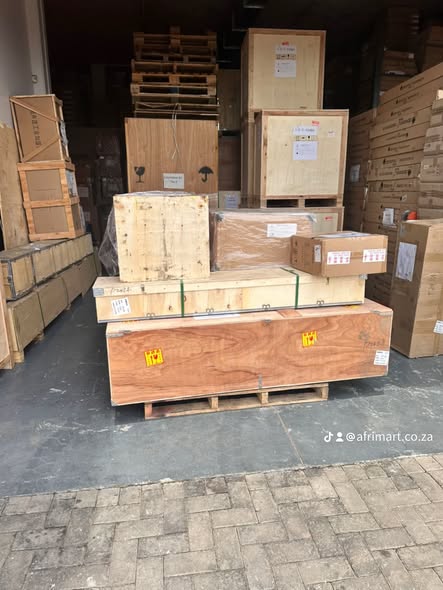
Latest Orders Labelled
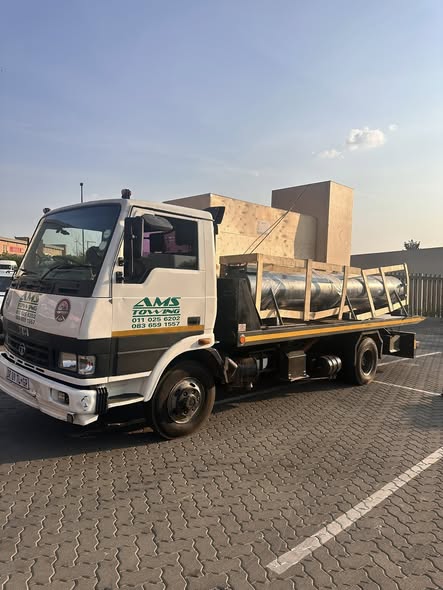
wheel alignment machines
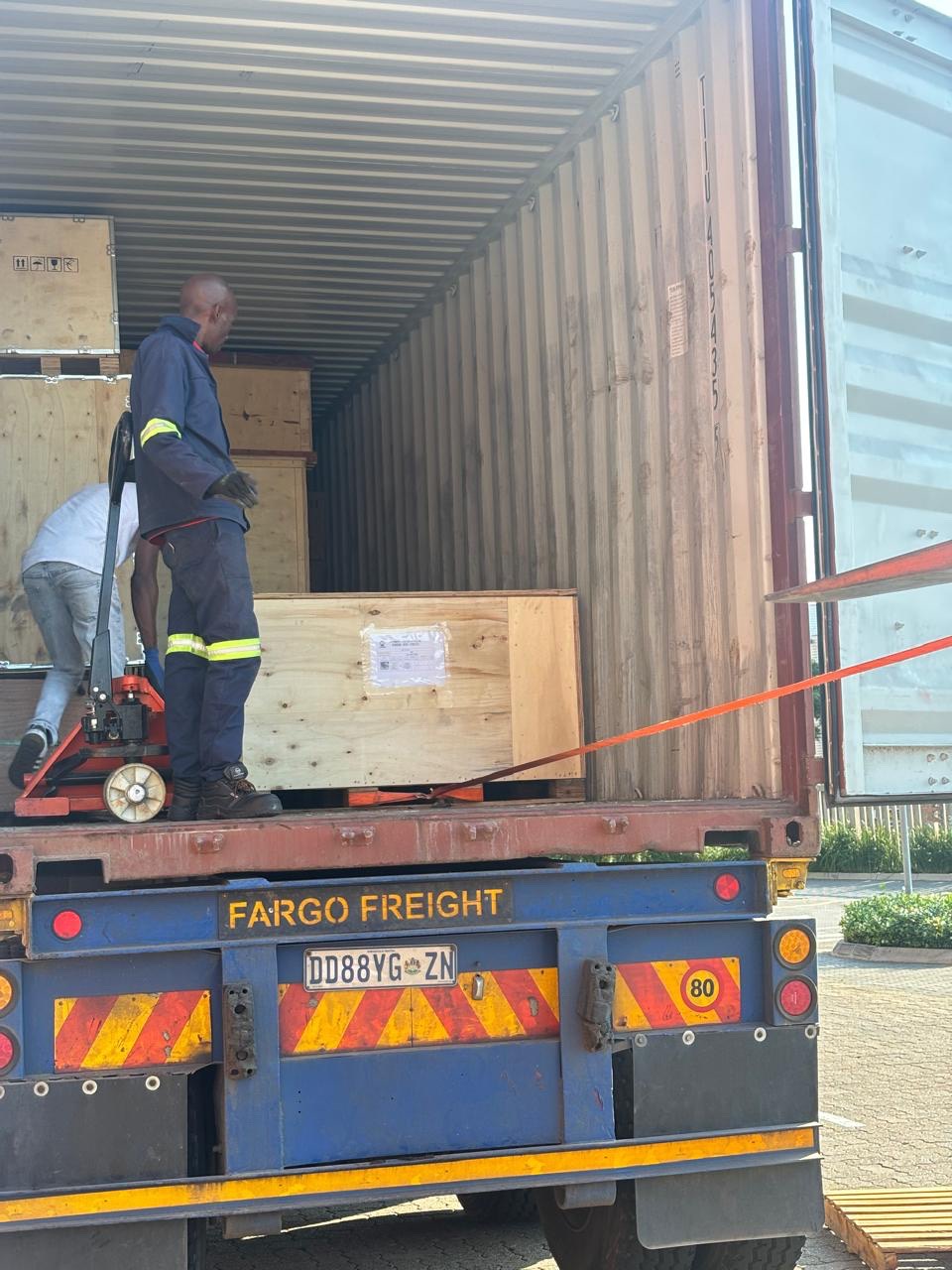
new arrivals
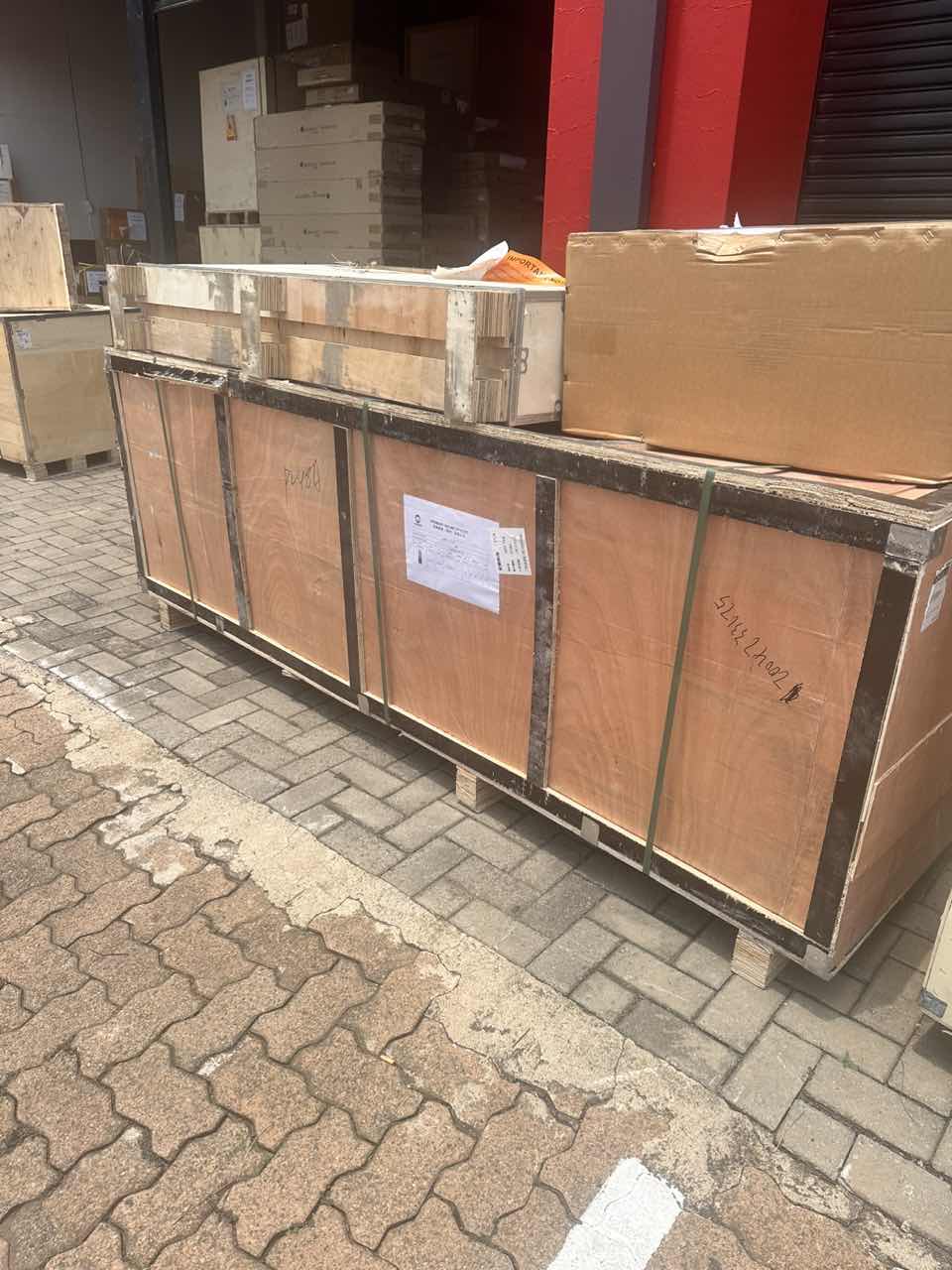
Pre Orders Offloading
Latest Arrivals
Latest Arrivals
Latest Arrivals
Loading
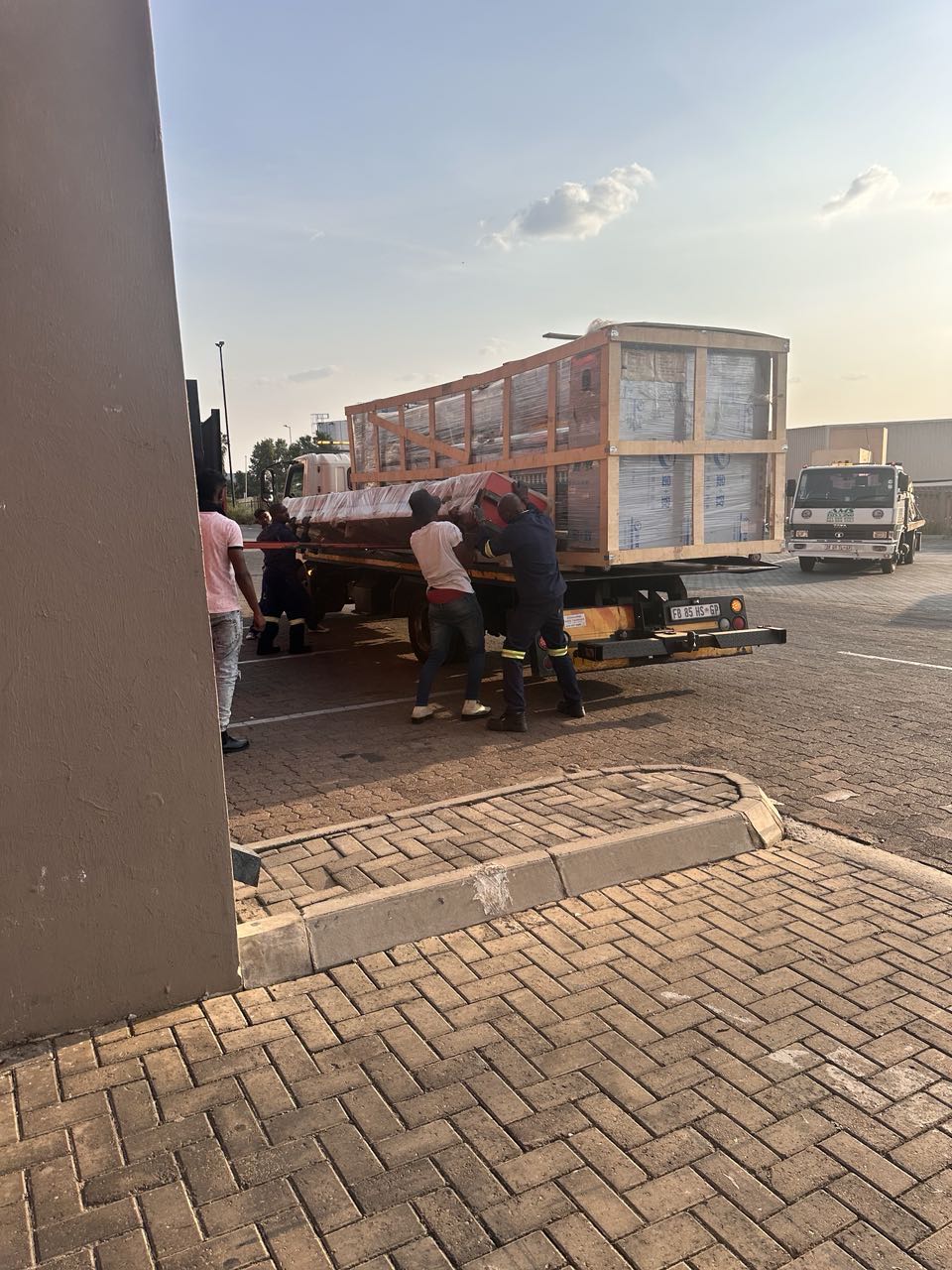
Toilet paper making machine
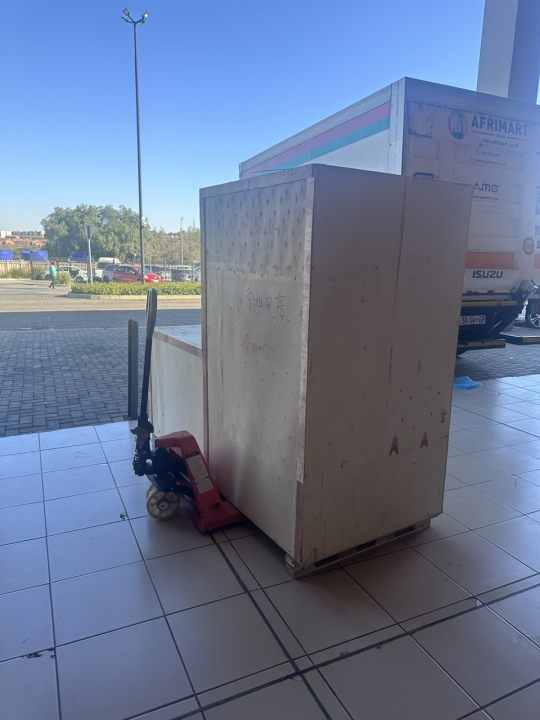
Toilet paper making machine
Toilet paper Rewinding Machine
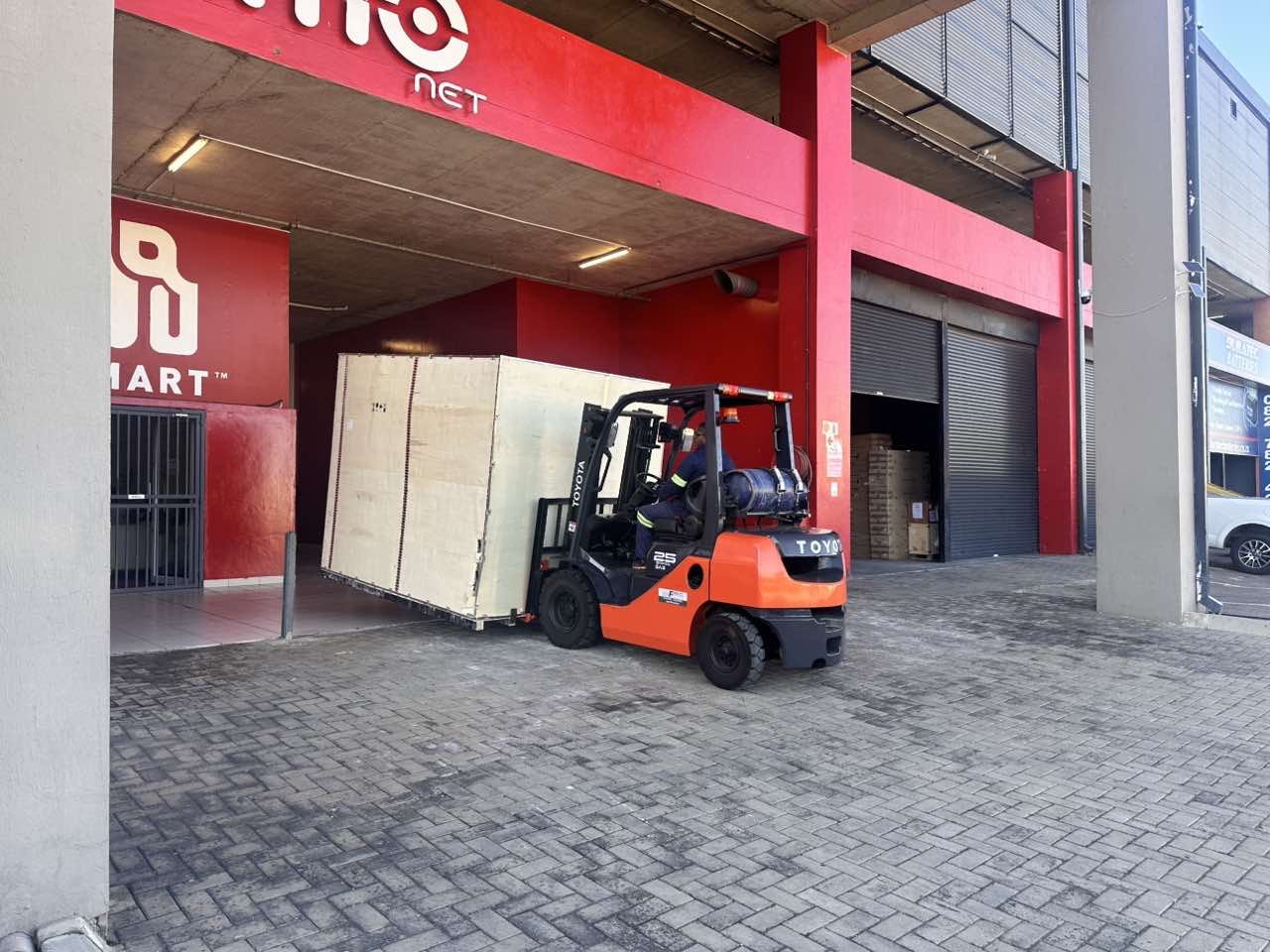
latest arrivals
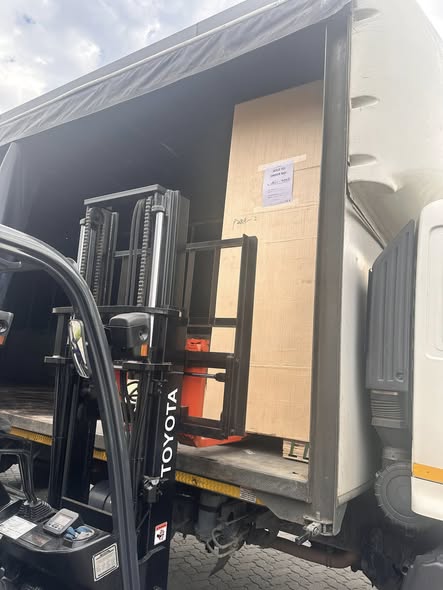
offloading
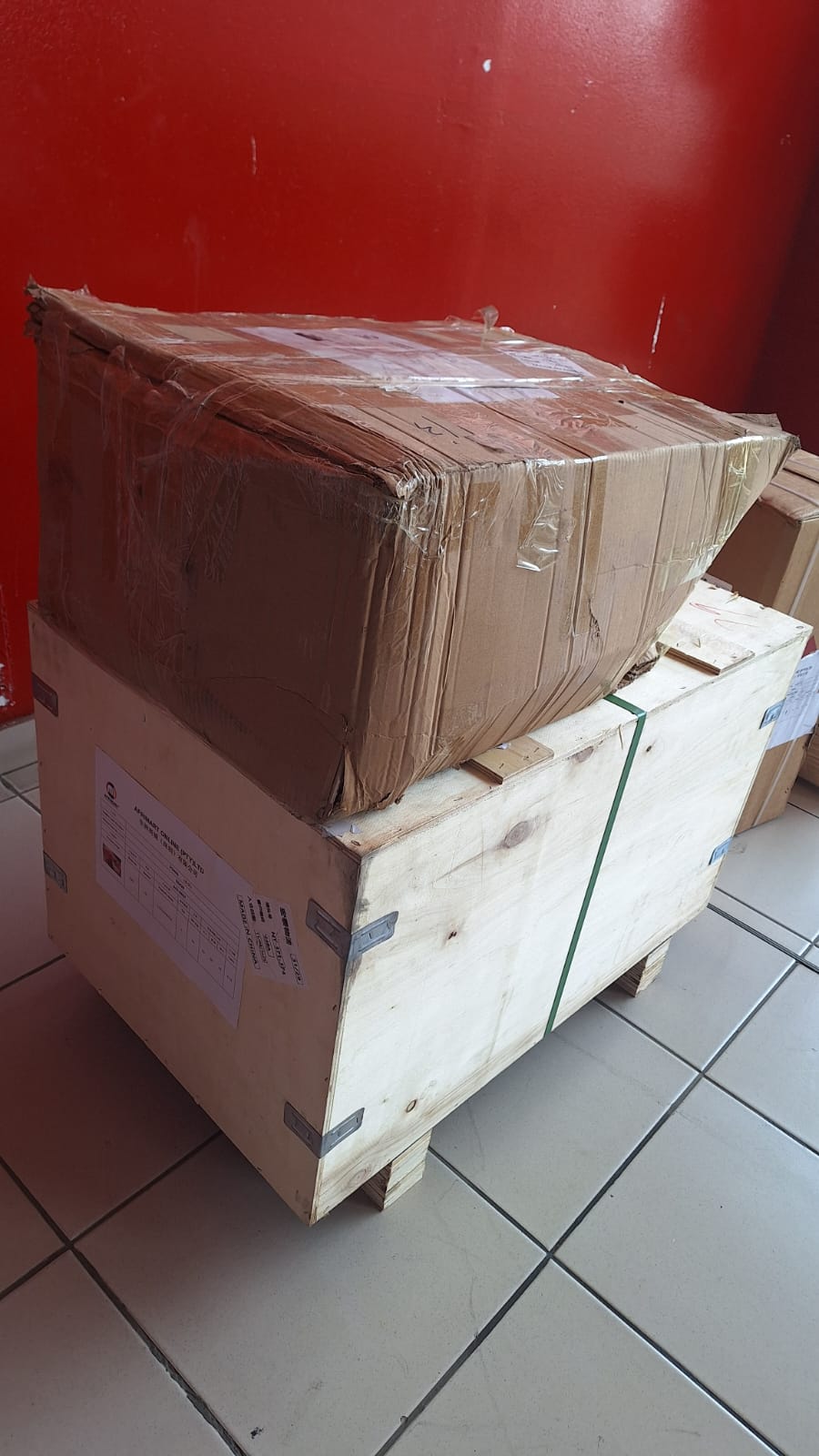
order success
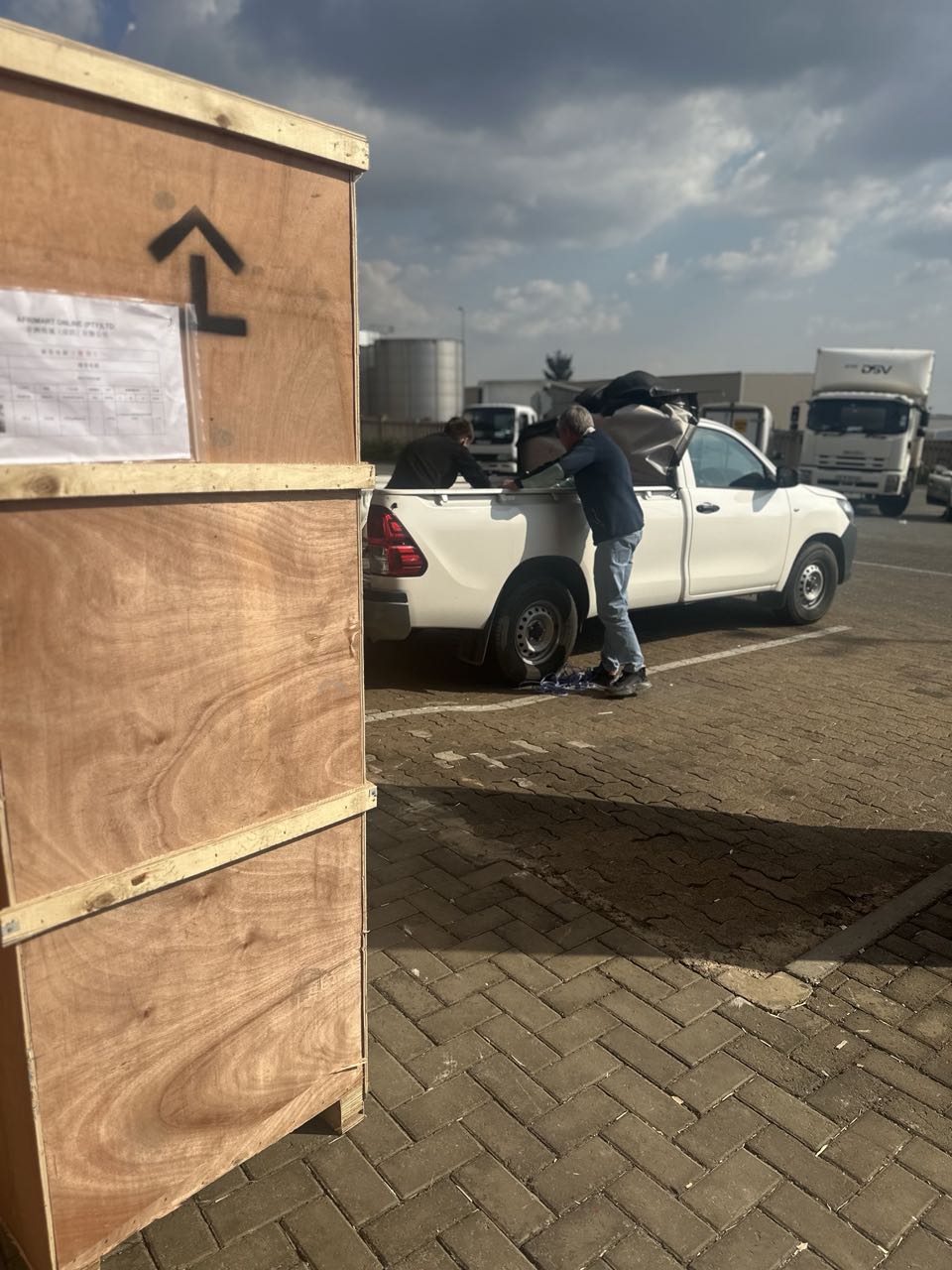
order collection
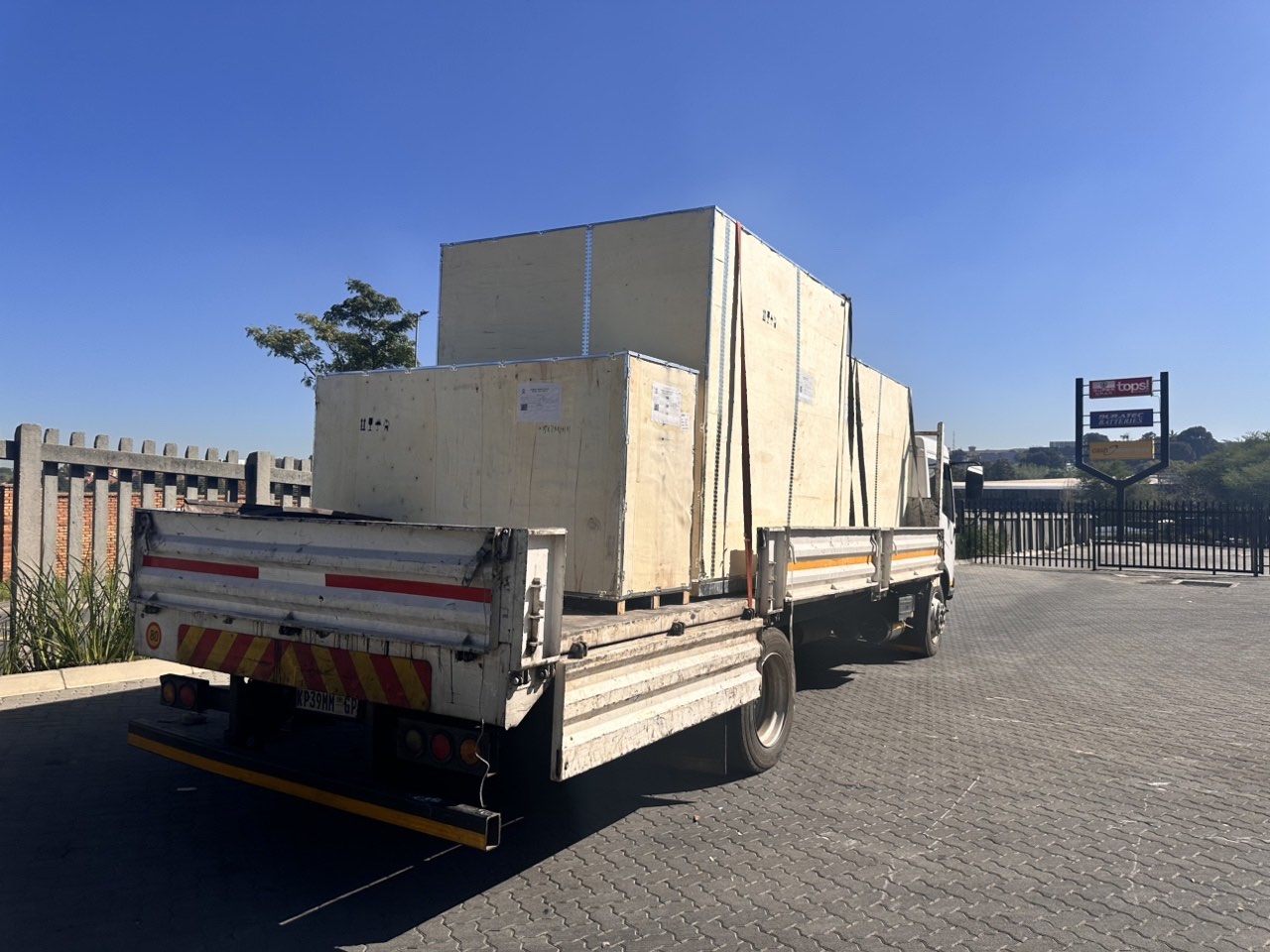
order offloading