B21, China Town Mall, Midrand

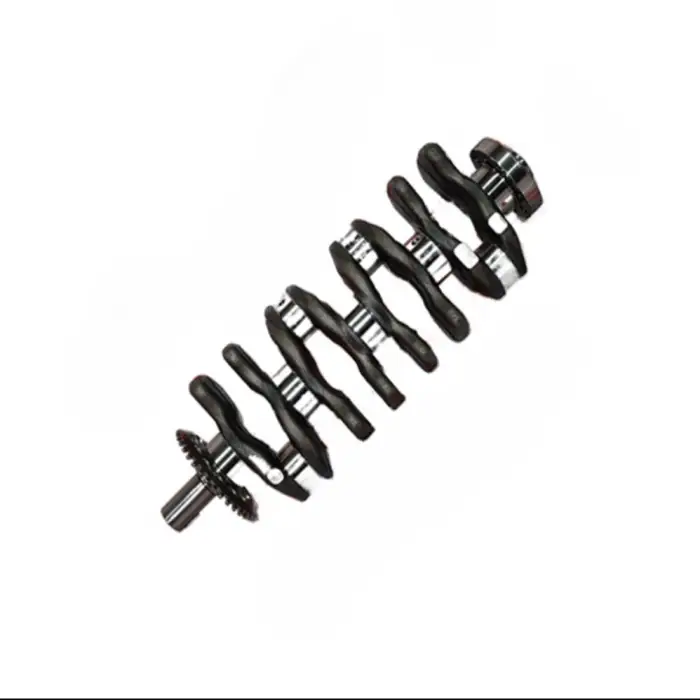
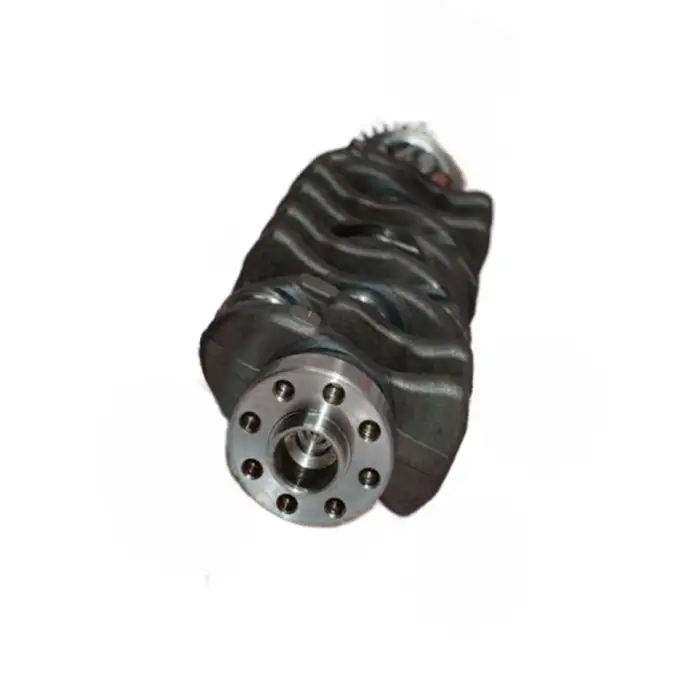
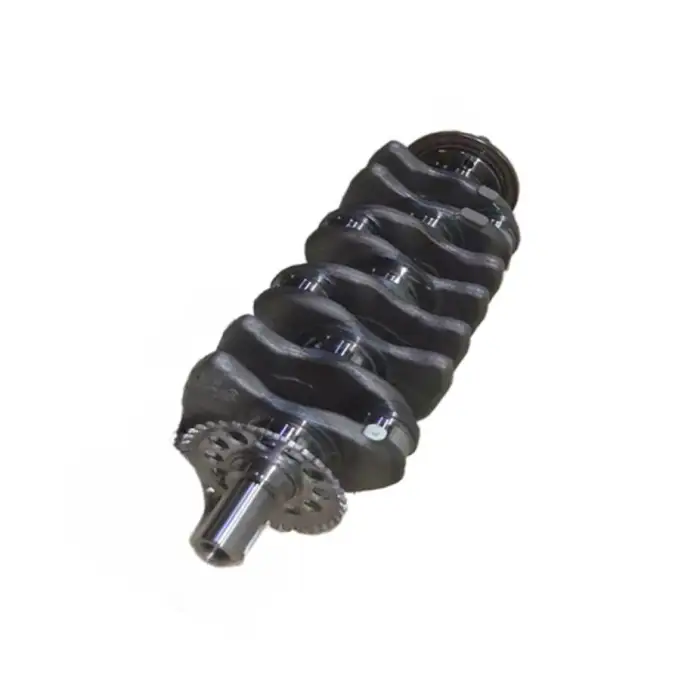
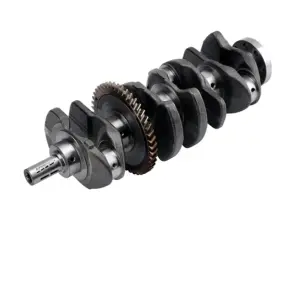
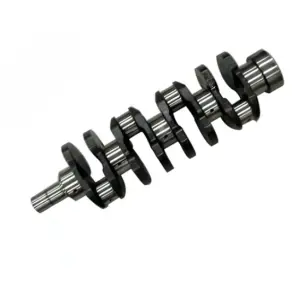
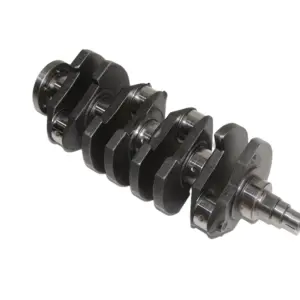
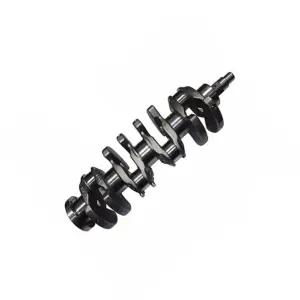
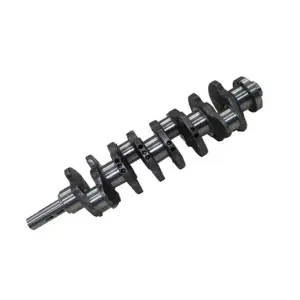
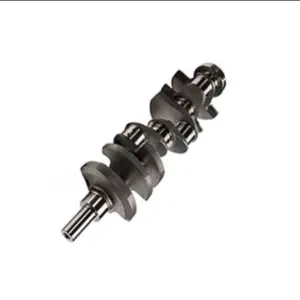
1340147040 2NR Crankshaft for Toyota Avanza /Etios /Sienta /Daihatsu

- Section : Car Parts
- Category : Crankshaft
- SKU : 1340147040

1340147040 2NR Crankshaft for Toyota Avanza /Etios /Sienta /Daihatsu
The 1340147040 2NR Crankshaft is a high-quality replacement part designed for Toyota Avanza, Etios, Sienta, and Daihatsu vehicles. This crankshaft is made from durable materials to ensure strong performance and longevity. If you need to replace your vehicle's crankshaft, this is an excellent choice to keep your engine running smoothly.
Specifications
| Attribute | Details |
|---|---|
| Model | 1340147040 2NR |
| Compatible Vehicles | Toyota Avanza / Etios / Sienta / Daihatsu |
| Material | Crankshaft |
Key Features
- Durable construction for long-lasting performance
- Designed for specific Toyota and Daihatsu models
- Easy installation for quick engine repairs
- Ensures smooth engine operation
Applications
- Replacement for damaged or worn crankshafts
- Ideal for engine rebuilds and repairs
- Used in regular maintenance for Toyota Avanza, Etios, and Sienta
- Suitable for Daihatsu vehicle repairs
Product Info Gallery
- Shipping Timeframes: All orders are processed within 2-5 business days (excluding weekends and holidays). After your order has been processed, the estimated delivery time is before 04 Feb, 2026, depending on customs, Please note that due to high demand, some items may experience longer shipping times, which will be communicated at order confirmation email.
- Order Processing Time: Please allow 2-5 business days for us to process your order before it is shipped . Orders placed after 16:00 on Fridays, or during weekends and public holidays, will begin processing on the next business day. Processing times may be extended during peak seasons or sales events.
- Manufacturing Time: Some products needs manufacturing time, the manufacturing process will take approximately 10-30 business days depending on the product. This timeframe may vary depending on the complexity of the product and current demand. but this will be communicated with you during order confirmation.
- Returns and Exchanges: We offer a 30-day return policy for most items. If you are not completely satisfied with your purchase, you may return it within 30 days of receipt for a refund or exchange. Items must be unused, in their original packaging, and accompanied by proof of purchase. Return shipping costs are the responsibility of the customer, unless the item was damaged or defective upon arrival.
1. What is the 1340147040 2NR Crankshaft and which vehicles does it fit?
The 1340147040 2NR Crankshaft is a replacement crankshaft designed for vehicles that use the Toyota 2NR engine family. It is listed as compatible with Toyota Avanza, Toyota Etios, Toyota Sienta and certain Daihatsu models that use the same engine. Always verify fitment with your vehicle's VIN or engine code before purchase.
2. Is this crankshaft an OEM part or an aftermarket replacement?
The listing describes it as a high-quality replacement crankshaft. Whether it is OEM or aftermarket depends on the supplier—check the seller's product details or contact them directly to confirm manufacturer origin and branding.
3. What material is the crankshaft made from?
The product description states it is made from durable materials designed for long-lasting performance. Specific metallurgy (forging, heat treatment) is not provided—contact the seller if you require detailed material or manufacturing process information.
4. Will this crankshaft fit my specific model year?
Compatibility depends on engine variant and production year. Although listed for Avanza, Etios, Sienta and Daihatsu models using the 2NR engine, you should confirm fitment by checking your VIN, engine code, or OEM part number against the seller's compatibility guide.
5. Do I need additional parts to install this crankshaft?
Typically you will also need main and rod bearings, crank seals, and possibly seals, studs, or pulleys depending on condition. It is common to replace bearings and seals during crankshaft replacement. Verify with your mechanic or parts supplier for a complete rebuild kit.
6. Is installation difficult and can I install it myself?
Installing a crankshaft requires significant engine disassembly, precise measurements, correct torqueing, and sometimes machining. It is a moderate-to-high difficulty job and is recommended to be performed by a qualified mechanic or engine builder.
7. Does the crankshaft come pre-balanced?
The product description does not specify whether the crankshaft is pre-balanced. If balancing is required for your rebuild, ask the seller or your machine shop whether the part is balanced or if additional balancing will be needed.
8. Are there torque specifications and installation instructions included?
The listing does not include torque specs or step-by-step instructions. Always follow the vehicle manufacturer's service manual for correct torque values and installation procedures, or have a professional perform the installation.
9. Can this crankshaft be used for engine rebuilds?
Yes. The crankshaft is suitable for engine rebuilds and repairs when compatible with the vehicle's engine. Ensure journals, clearances and overall condition meet rebuild specifications; machining may be required if regrinding is necessary.
10. What should I check before purchasing this crankshaft?
Verify vehicle compatibility (VIN/engine code), confirm whether the part is OEM or aftermarket, check for seller warranty/return policy, ask about balance status and exact material/specs, and ensure you have or can obtain necessary bearings and seals.
11. Is there a warranty or return policy for this part?
Warranty and return policies vary by seller. The product description does not specify a warranty—check the seller's listing or contact them directly for warranty terms, return periods, and any conditions.
12. How can I confirm the part number matches my original crankshaft?
Compare the 1340147040 part number to the part number on your original crankshaft or your vehicle's parts catalogue. You can also provide your VIN and engine code to the seller or parts department to confirm an exact match.
13. Are there any special break-in or initial procedures after installing a new crankshaft?
After installation and proper assembly with fresh bearings and seals, follow standard engine break-in procedures recommended by your mechanic or vehicle manufacturer (such as varying engine load and avoiding sustained high RPMs for an initial period). Also monitor oil pressure and for unusual noises.
14. Will I need machining services like grinding or polishing for this crankshaft?
If the crankshaft is new and within spec, machining may not be necessary. However, if it is a reconditioned or used unit, journals may require grinding or polishing. A machine shop should measure journal diameters and recommend any machining required to meet OEM clearances.
15. Where can I find product images or a gallery for this crankshaft?
The product description references a 'Product Info Gallery.' Check the seller's product page or contact the seller for detailed images, dimensional drawings or additional photos to verify condition and fitment before purchase.
Latest Order Arrivals
Discover our latest orders
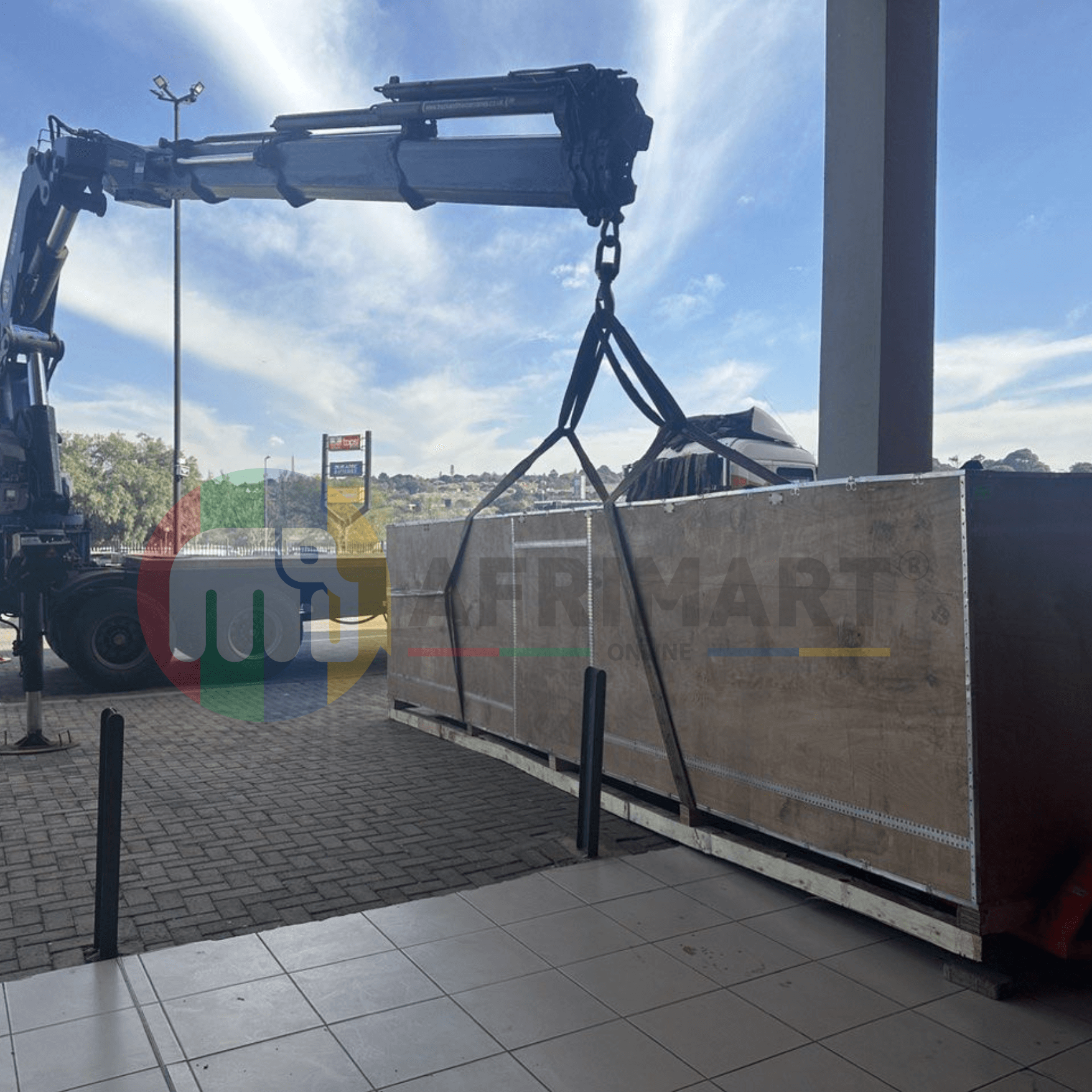
12 Heads Embroidery Machine
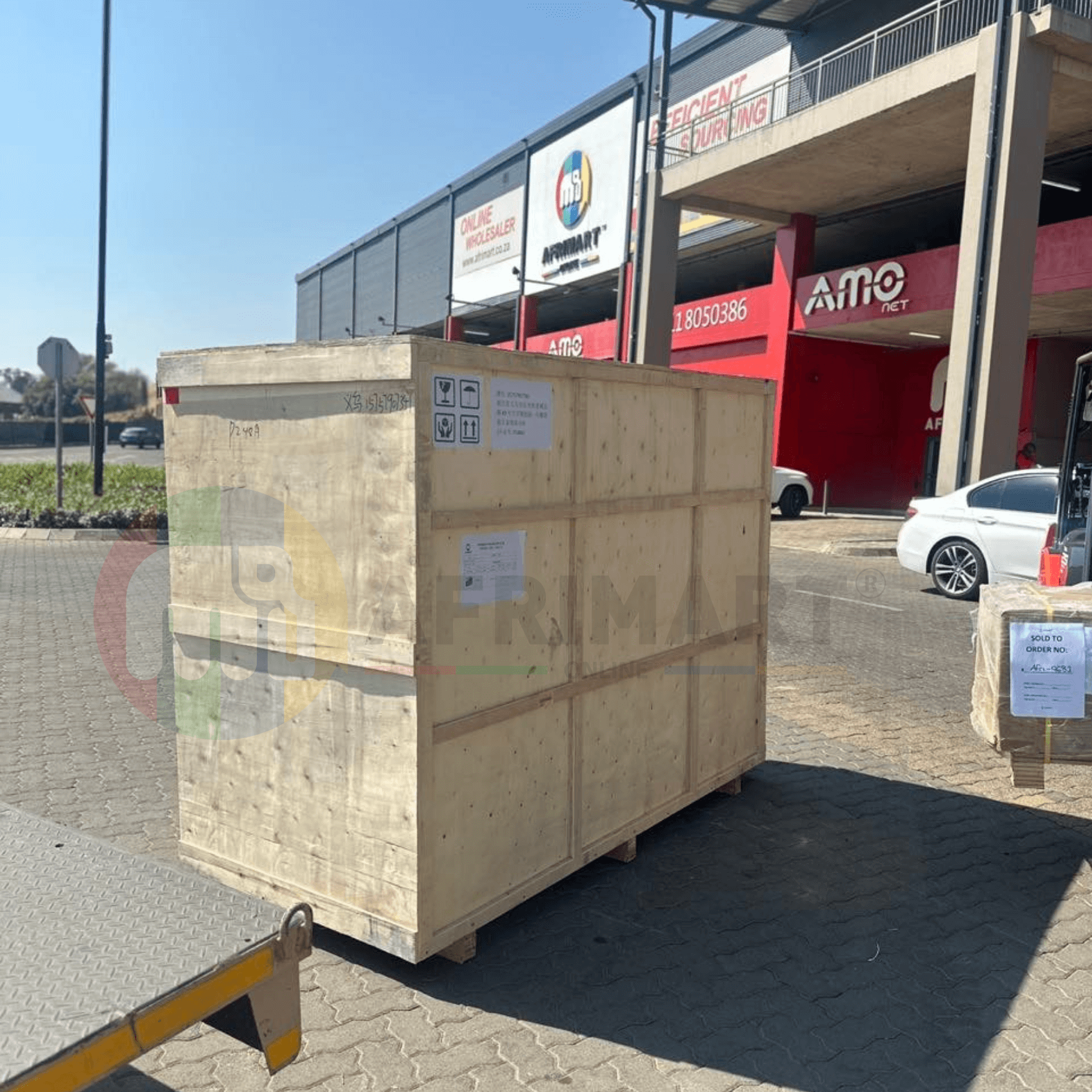
Dewatering Pump Machine
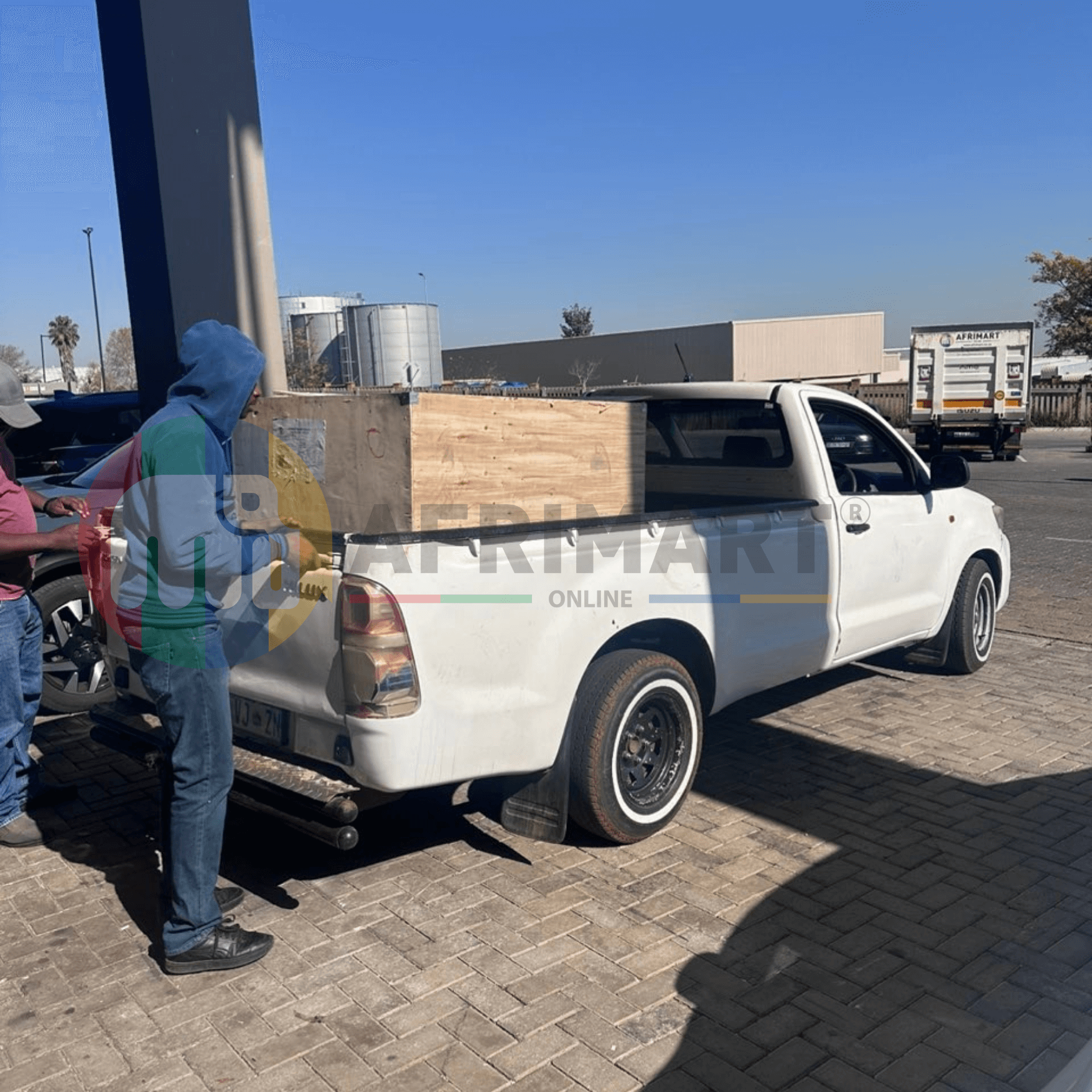
Order Collection
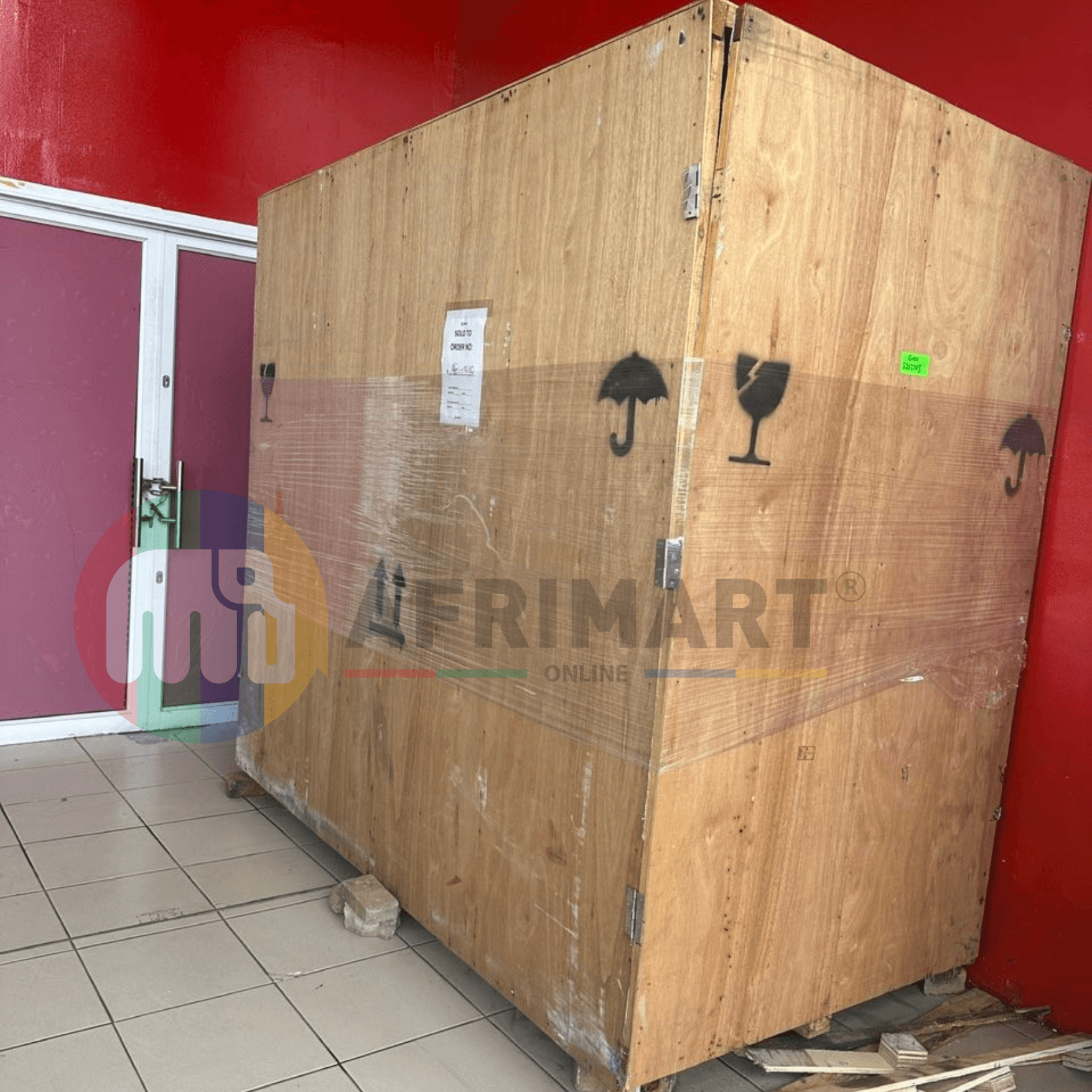
Portable Water Drilling Rig
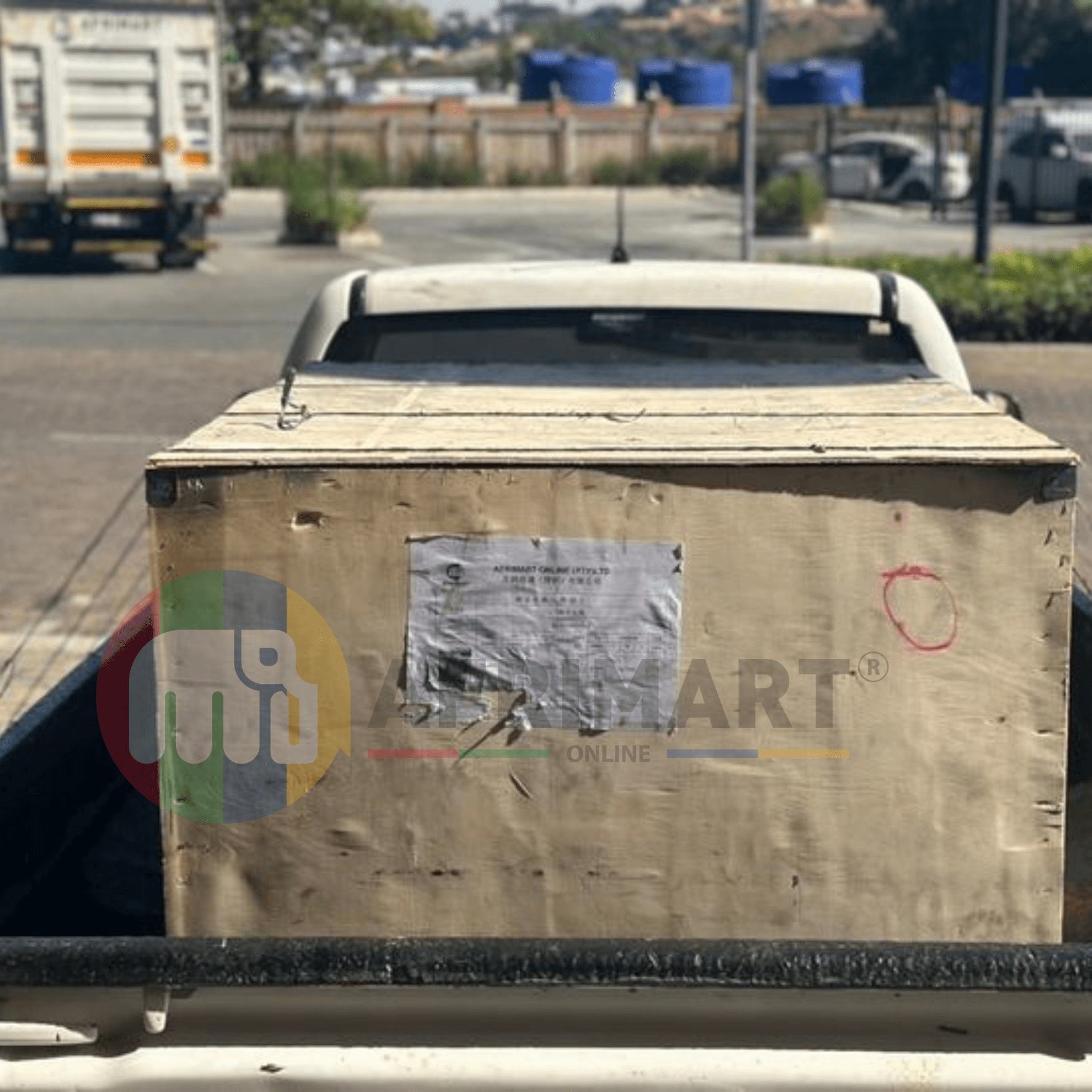
Order Usefully Collected
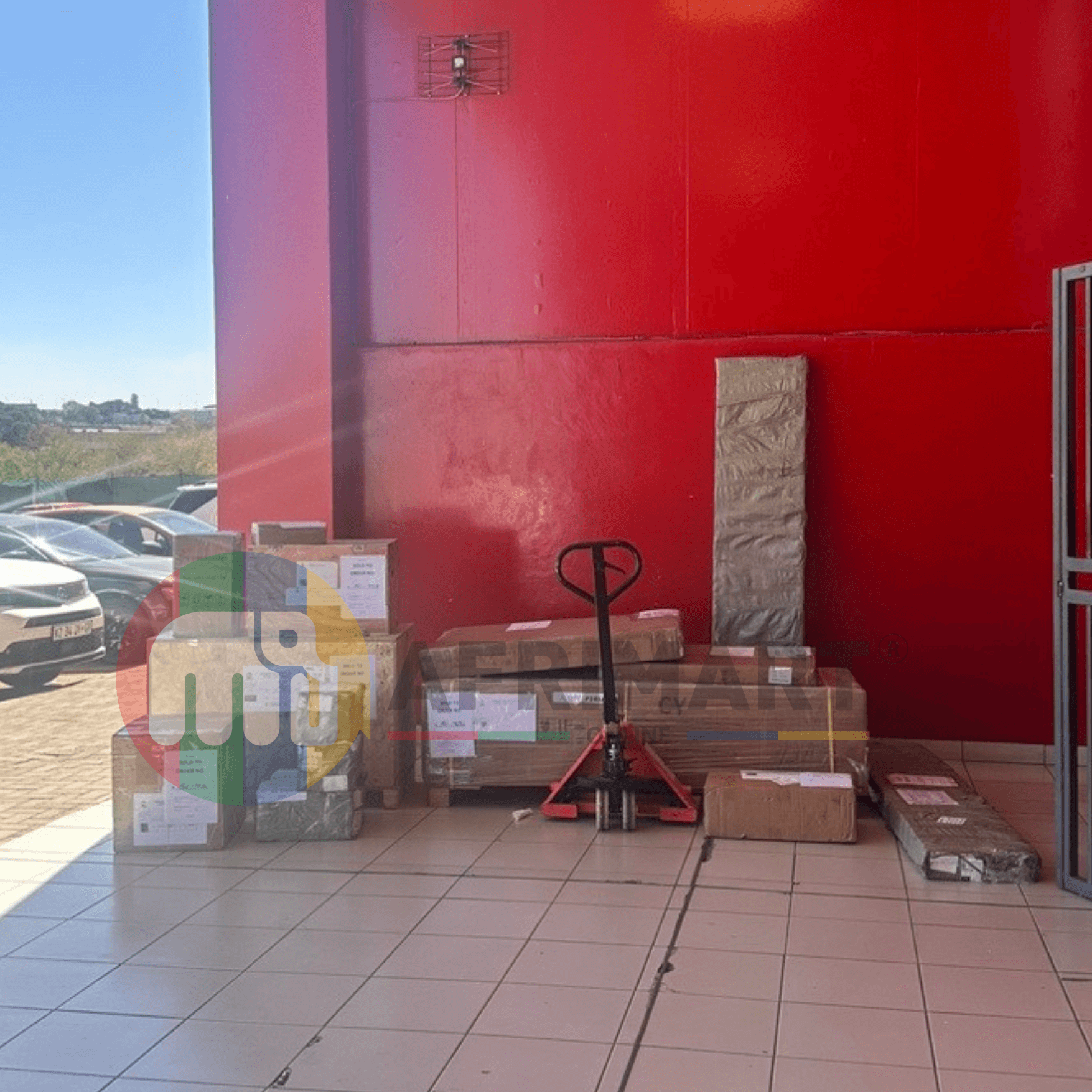
Batch of Orders
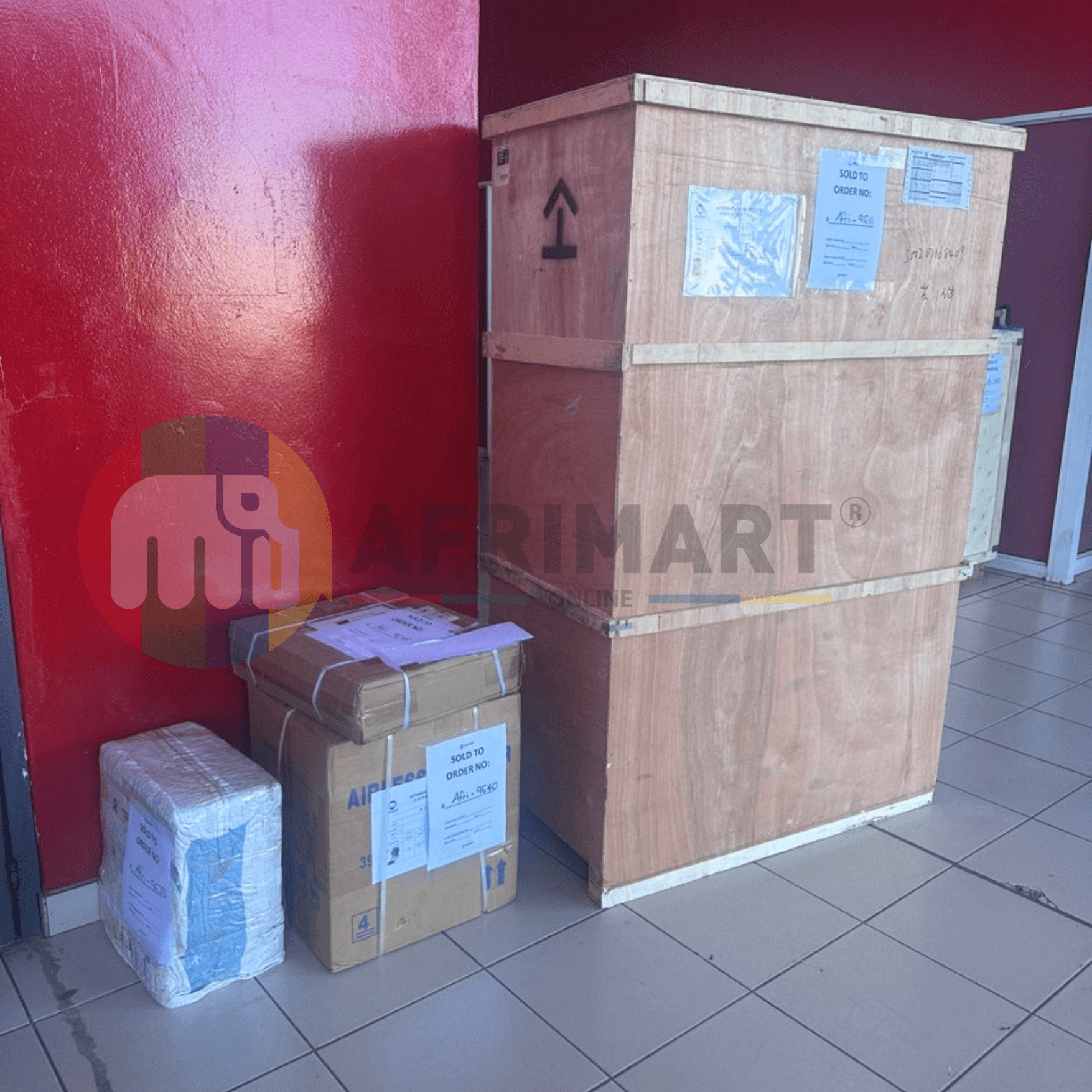
Agriculture Processing Machines
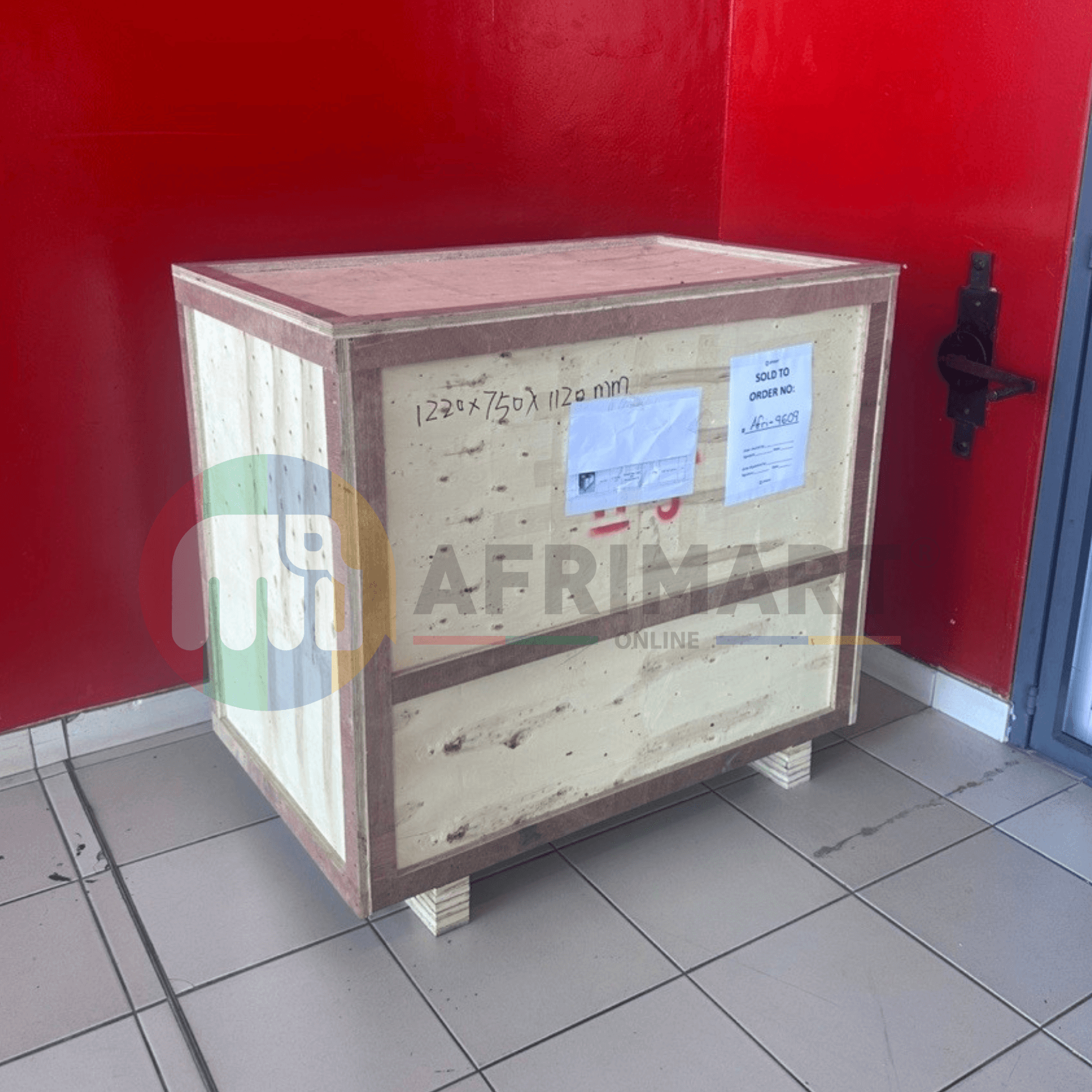
Meat Grinder Machine
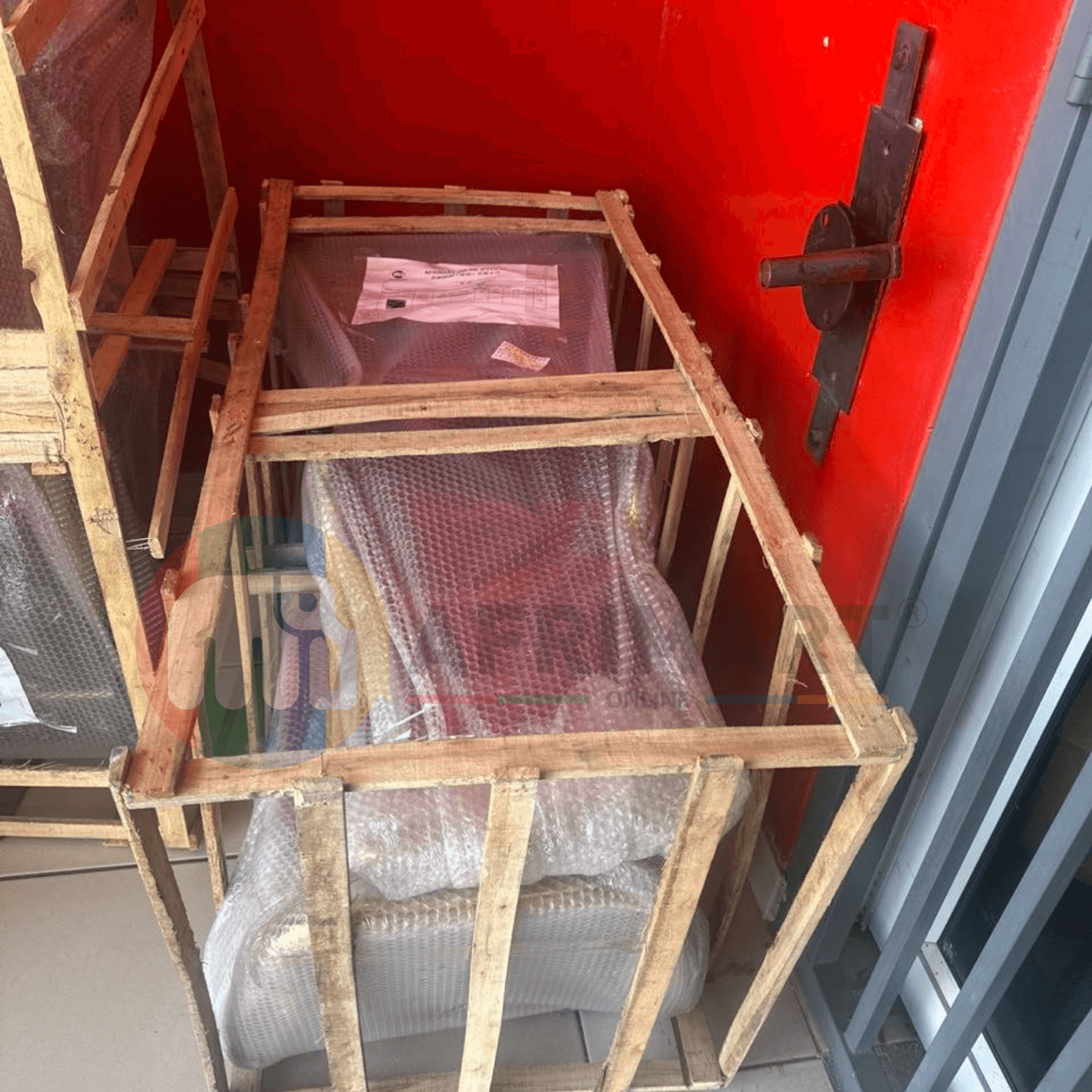
Water Pump Equipment
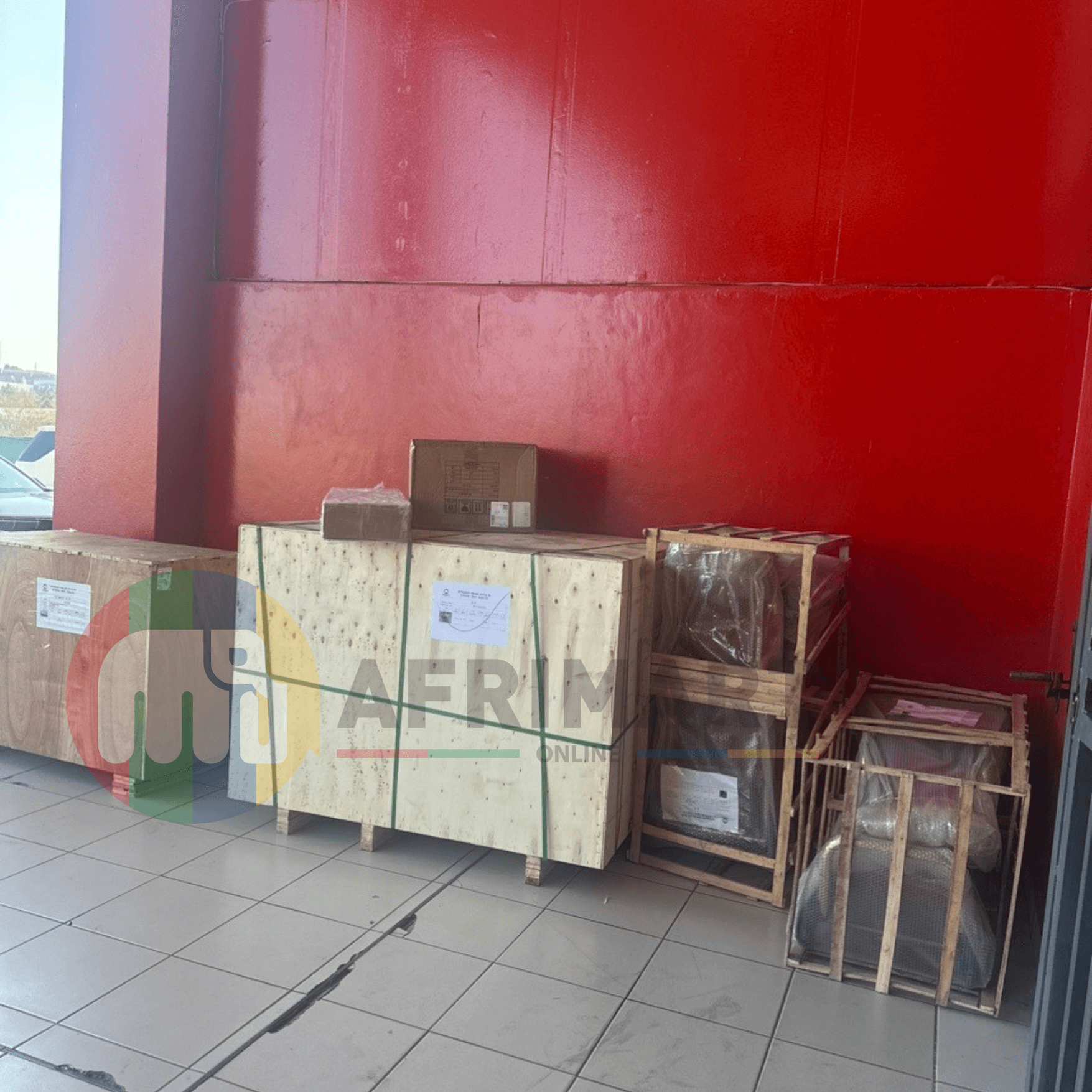
Packaging Machine and accessories
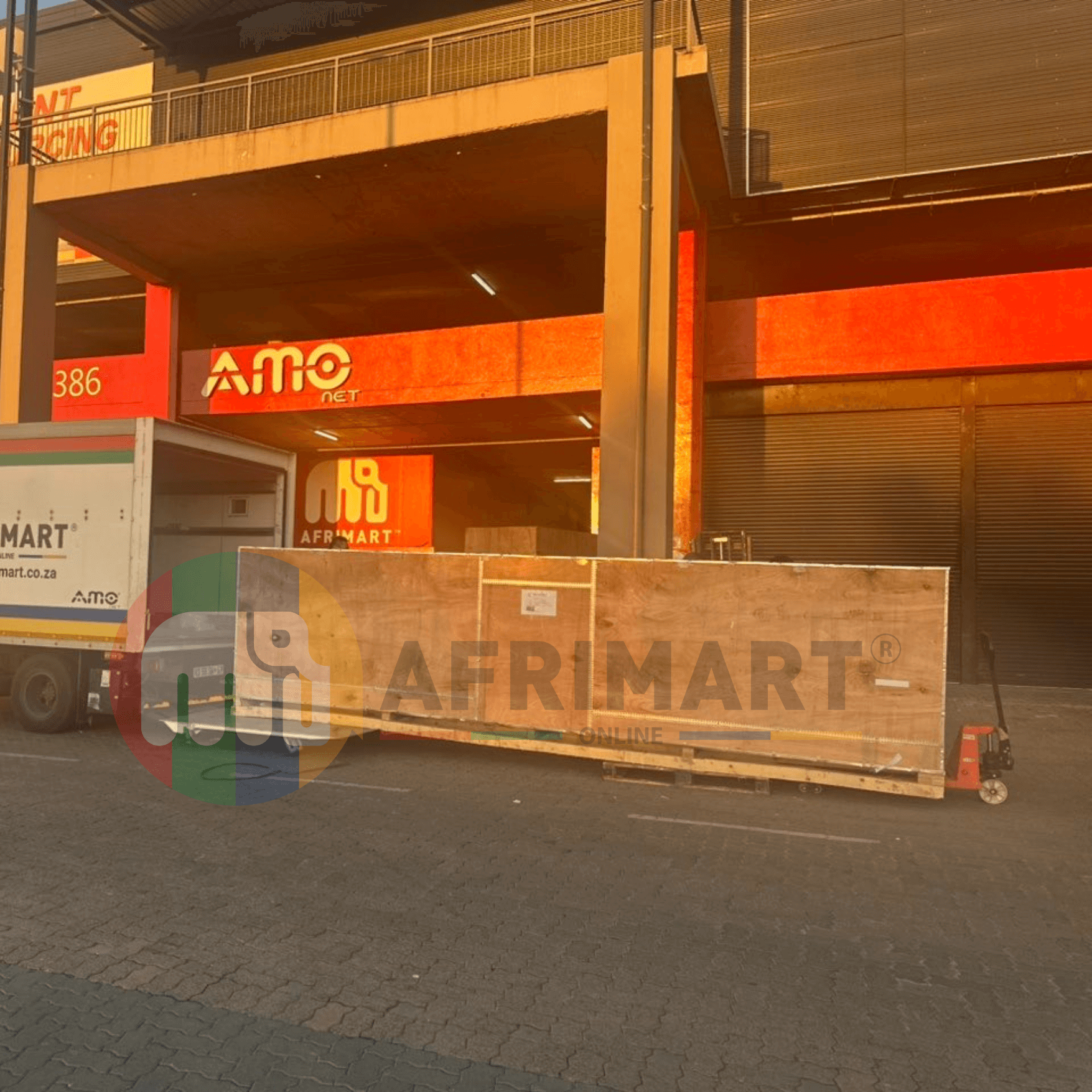
Fabrics Manufacturing Equipment
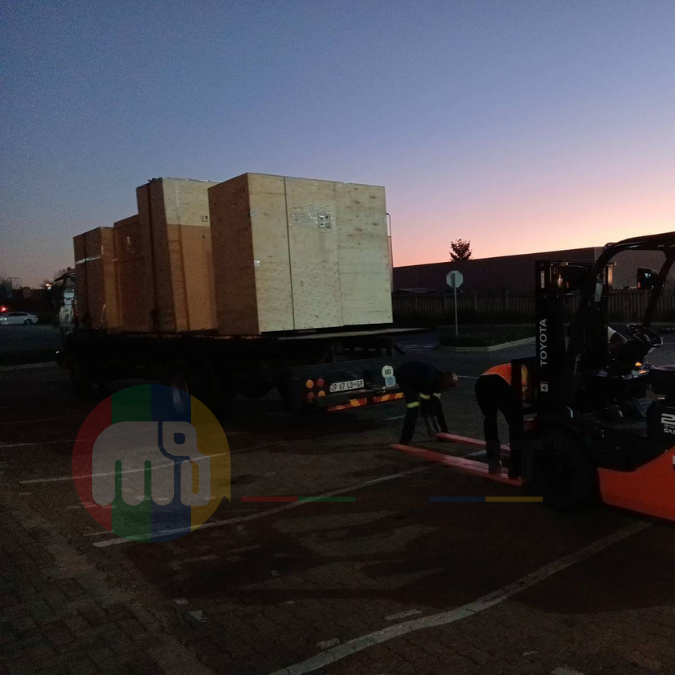
Mining Equipments
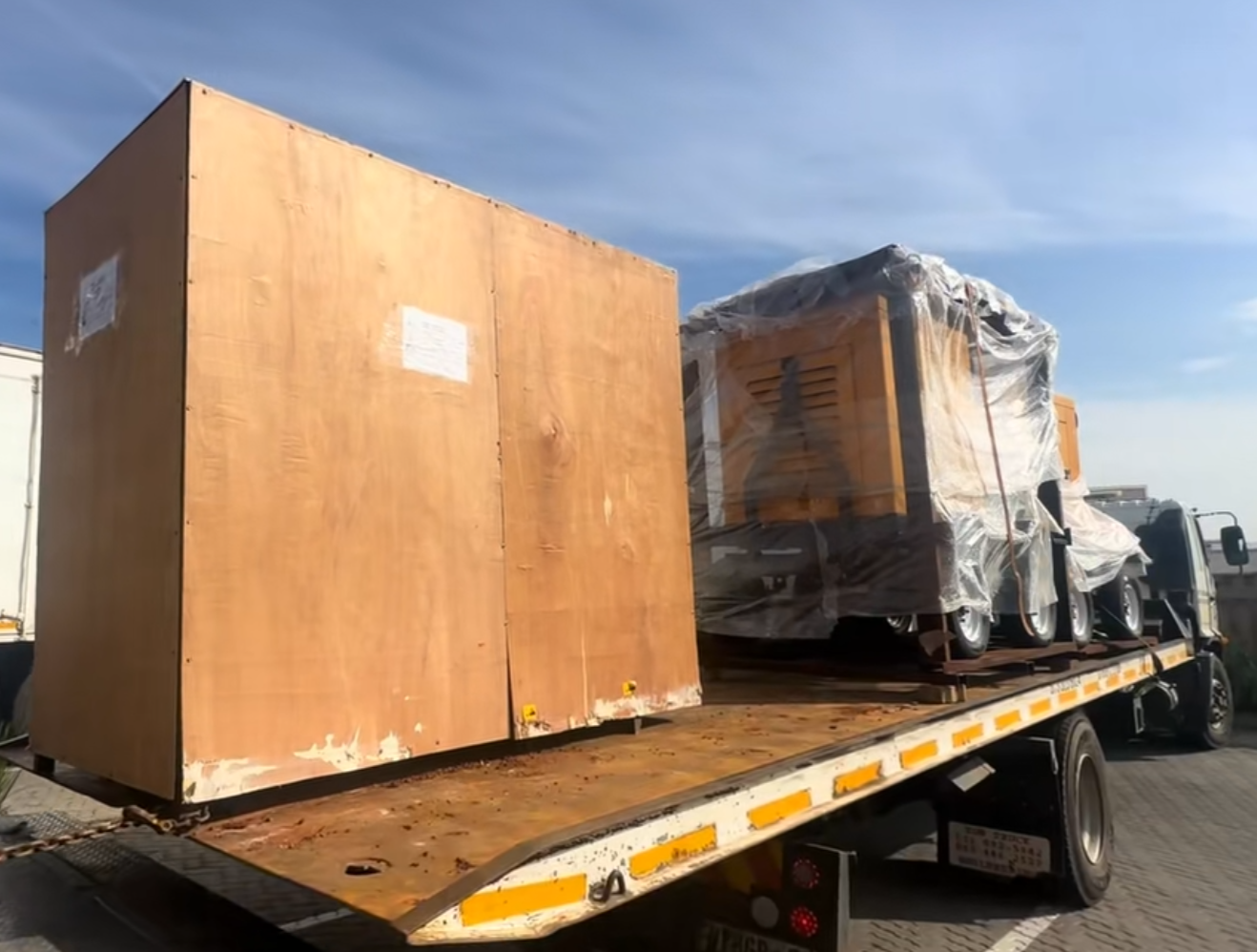
Food Processing Machine
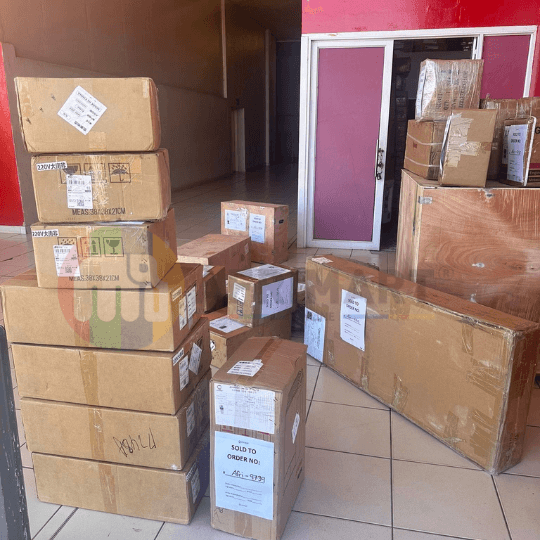
Batch of Orders
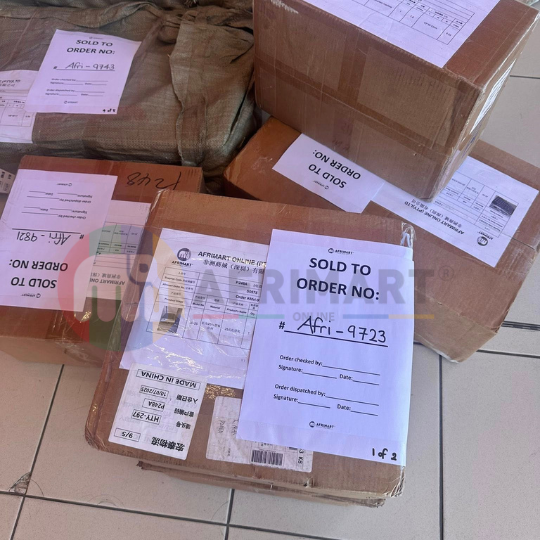
Batch of Orders
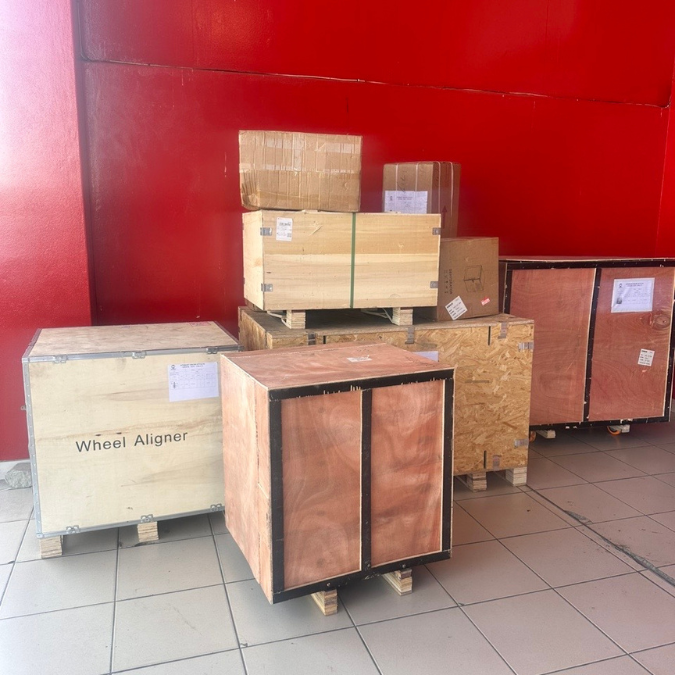
Latest Orders Labelled
wheel alignment machines
new arrivals
Pre Orders Offloading
Latest Arrivals
Latest Arrivals