B21, China Town Mall, Midrand

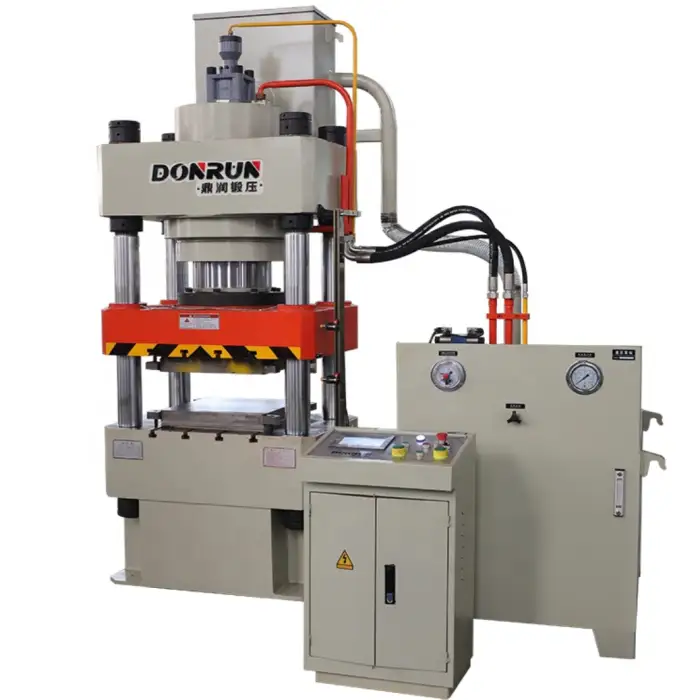
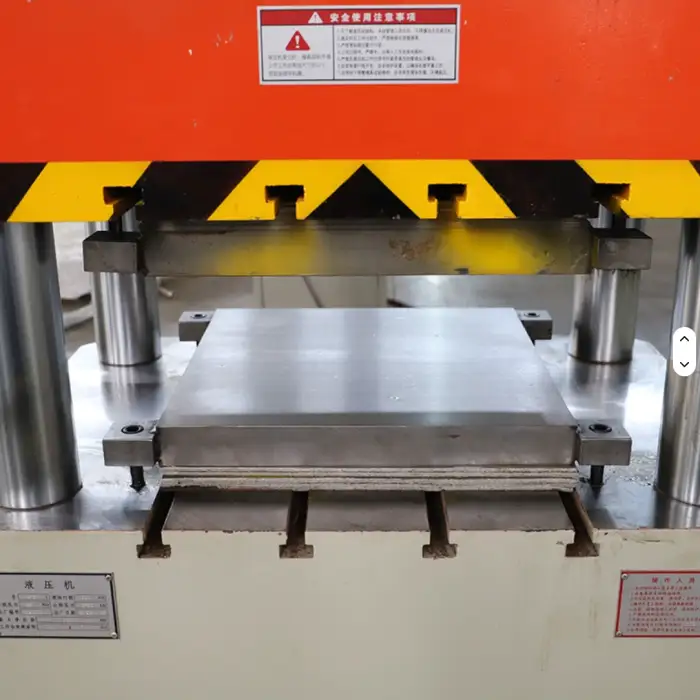
100 Ton Hydraulic Press Soap Bock Molding Making Machine
Asset finance available
Do you want funding for this equipment?
Afrimart can connect you with trusted funding partners who specialise in asset finance for businesses like yours. Compare options and apply in minutes — final approval is subject to provider review.
Check funding options
Secure & no obligation

- Section : Machinery
- Category : Machine Tool Equipment
- SKU : 62552937873

100 Ton Hydraulic Press Soap Block Molding Making Machine
The 100 Ton Hydraulic Press Soap Block Molding Making Machine is a powerful and efficient tool for creating soap blocks. This machine is designed to deliver high performance with its advanced hydraulic technology. It is ideal for manufacturers looking to produce high-quality soap blocks with ease and precision.
Specifications
| Attribute | Details |
|---|---|
| Machine Type | Four-column Three-beam Hydraulic Press |
| Voltage | 380V/220V Optional |
| Weight | 7 T |
| Motor Power | 11 kW |
| Slide Stroke | Customized |
| Ejector Force | 600 kN |
| Return Force | 500 kN |
| Core Components | Bearing, Motor, Pump, Gear, Pressure Vessel |
| Nominal Force | 1000 kN |
| Certification | CE |
Key Features
- Automatic operation for increased efficiency.
- High nominal force of 1000 kN for strong pressing power.
- Customizable slide stroke to meet specific needs.
- CE certified for safety and reliability.
- Robust construction using 45# Steel Material / Q235.
Applications
- Manufacturing soap blocks in various shapes and sizes.
- Used in cosmetic and personal care product production.
- Suitable for small and large scale production runs.
- Ideal for businesses looking to enhance their soap-making processes.
- Perfect for creating consistent quality products.
Product Info Gallery
- Shipping Timeframes: All orders are processed within 2-5 business days (excluding weekends and holidays). After your order has been processed, the estimated delivery time is before 18 Aug, 2026, depending on customs, Please note that due to high demand, some items may experience longer shipping times, which will be communicated at order confirmation email.
- Order Processing Time: Please allow 2-5 business days for us to process your order before it is shipped . Orders placed after 16:00 on Fridays, or during weekends and public holidays, will begin processing on the next business day. Processing times may be extended during peak seasons or sales events.
- Manufacturing Time: Some products needs manufacturing time, the manufacturing process will take approximately 10-30 business days depending on the product. This timeframe may vary depending on the complexity of the product and current demand. but this will be communicated with you during order confirmation.
- Returns and Exchanges: We offer a 30-day return policy for most items. If you are not completely satisfied with your purchase, you may return it within 30 days of receipt for a refund or exchange. Items must be unused, in their original packaging, and accompanied by proof of purchase. Return shipping costs are the responsibility of the customer, unless the item was damaged or defective upon arrival.
1. What is the pressing capacity of the 100 Ton Hydraulic Press Soap Block Molding Making Machine?
The machine has a nominal force of 1000 kN (commonly referred to as 100 ton), providing high pressing power suitable for producing compact, uniform soap blocks.
2. What are the electrical requirements and available voltage options?
Voltage options are 380V or 220V (please specify when ordering). The motor power is 11 kW. Actual electrical hookup should be done by a qualified electrician per local codes.
3. What are the machine dimensions and weight?
The machine has an approximate weight of 7 metric tons. Exact footprint and installation drawings vary by configuration—contact the supplier for detailed dimensions and layout drawings.
4. What type of hydraulic press is this and what are its main structural materials?
This is a four-column, three-beam hydraulic press. The robust frame is constructed from 45# steel material / Q235 to ensure rigidity and long service life.
5. Can the slide stroke be adjusted for different mold sizes?
Yes — the slide stroke is customizable to meet specific mold size and product thickness requirements. Provide your mold dimensions when ordering to set the correct stroke range.
6. What are the ejector and return forces?
The ejector force is 600 kN and the return force is 500 kN, which support reliable demolding and slide retraction during production cycles.
7. Is the machine suitable for small and large production runs?
Yes. The press is designed for both small- and large-scale production runs. Production throughput will depend on mold cavity count, block size, and cycle time.
8. What kinds of soap formulations and shapes does it support?
The press works with molded soap block processes where soap paste or compound is pre-prepared and placed into molds. It supports a wide range of shapes and sizes depending on mold design. For specific formulations (e.g., very soft or highly filled soaps) consult the supplier for recommendations.
9. What safety and certification features does the machine include?
The machine is CE certified for safety and reliability. It typically includes standard safety features such as emergency stop(s), safety guards, and interlocks; confirm the exact safety package with your supplier.
10. What maintenance is required to keep the press operating reliably?
Regular maintenance includes checking hydraulic oil level and quality, inspecting and replacing worn seals and hoses, greasing moving parts, checking fasteners and alignment, and keeping molds and platen surfaces clean. Follow the manufacturer's maintenance schedule for intervals and procedures.
11. What spare parts and core components are used in the machine?
Core components include bearing, motor, pump, gear, and pressure vessel. Spare parts availability varies—ask the supplier for recommended spare parts lists and lead times.
12. How fast can this press produce soap blocks (production rate)?
Cycle time depends on block size, mold cavities, pressing and demolding times. As a guideline, cycle time commonly ranges from tens of seconds to a minute. Calculate hourly output by (3600 ÷ cycle seconds) × cavity count. Ask your supplier for cycle-time tests using your mold design.
13. Can molds be custom made for this machine?
Yes. Molds can be custom designed to meet your block size and shape requirements. Provide the desired geometry and material preferences so the supplier can ensure compatibility with the press.
14. What installation and foundation requirements are needed?
Due to its mass and pressing force, the press typically requires a level, reinforced concrete floor or foundation with proper anchoring. You will also need appropriate electrical supply and hydraulic oil handling space. Obtain the supplier's site preparation and installation checklist before delivery.
15. Is operator training required, and what skills are needed?
Yes — operator training is recommended for safe, efficient use. Operators should understand basic hydraulics, safe machine operation, mold handling, and routine maintenance checks. Many suppliers offer commissioning and operator training packages.
Latest Order Arrivals
Discover our latest orders
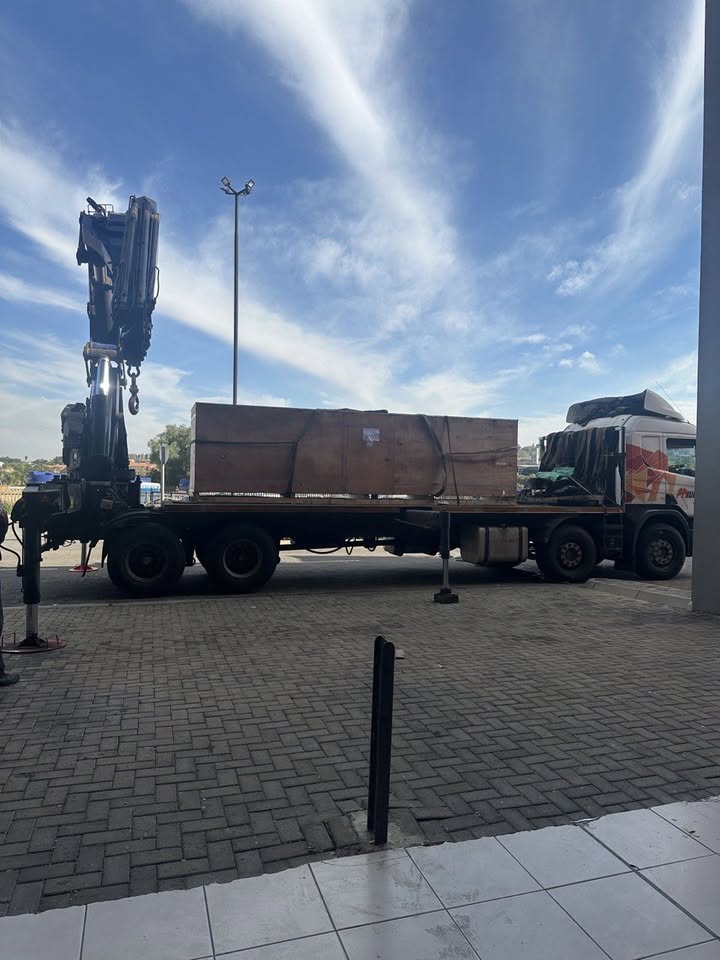
12 Heads Embroidery Machine
Toilet Paper Machine Machine
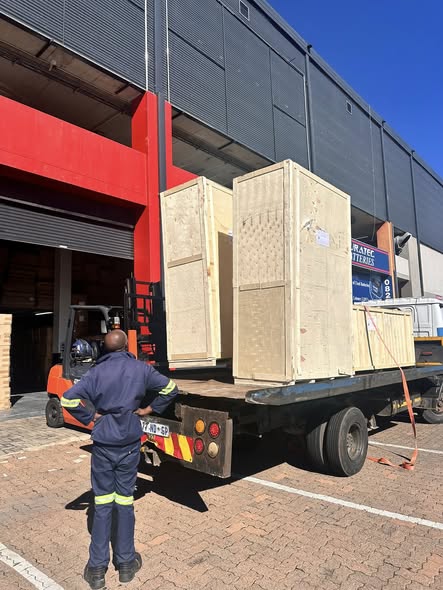
Order Collection
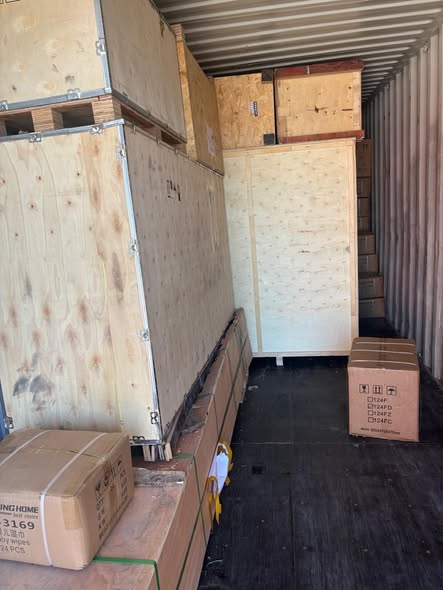
Cross Border Clients
Order cros border countries Collected
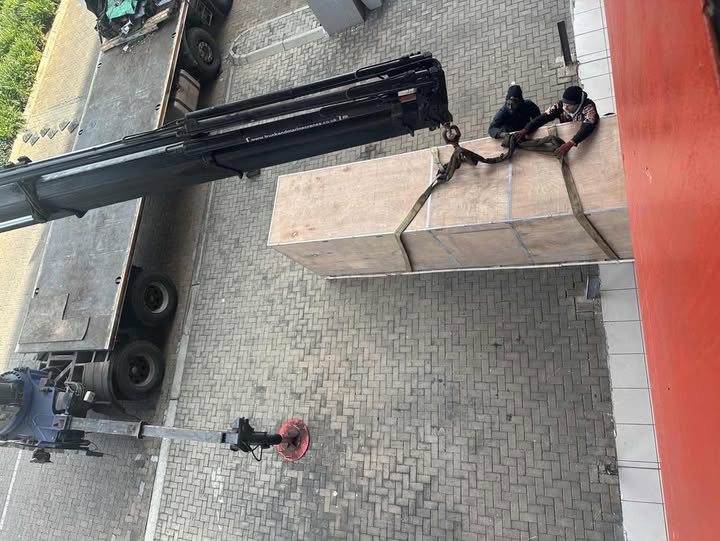
Industrial Machine Cllection
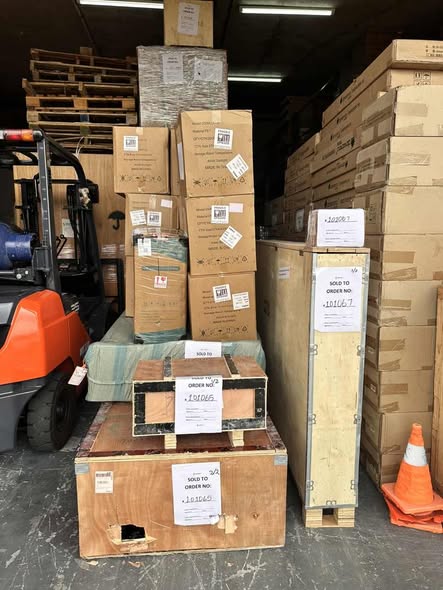
Agriculture Processing Machines
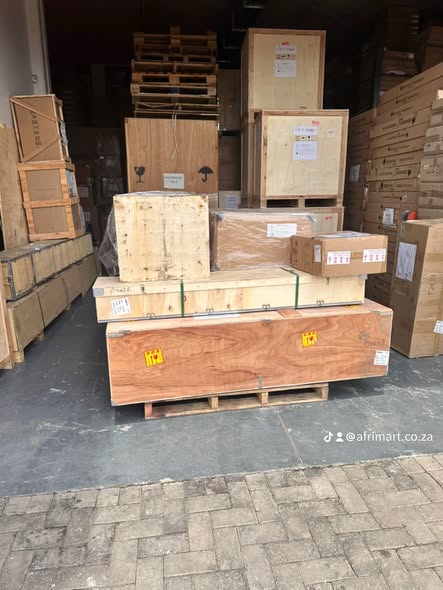
Ready for collection
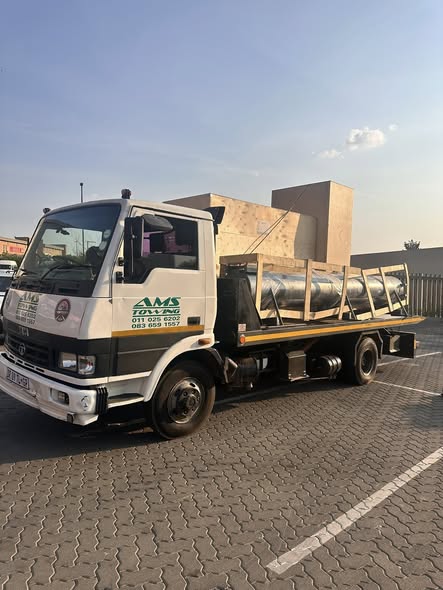
Water Pump Equipment
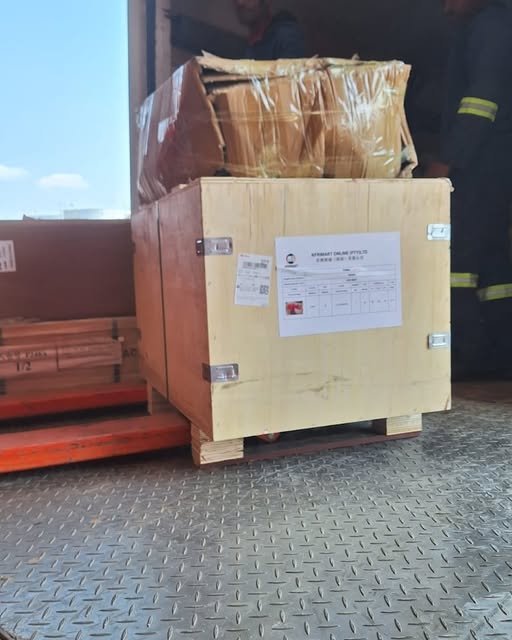
Packaging Machine and accessories
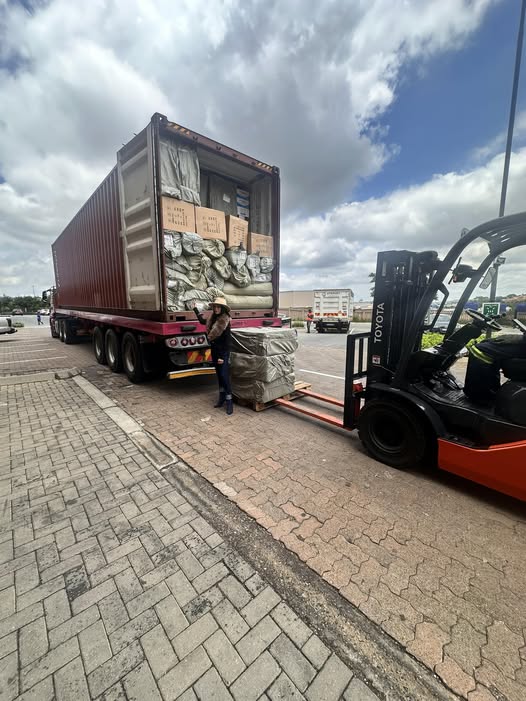
Fabrics Manufacturing Equipment
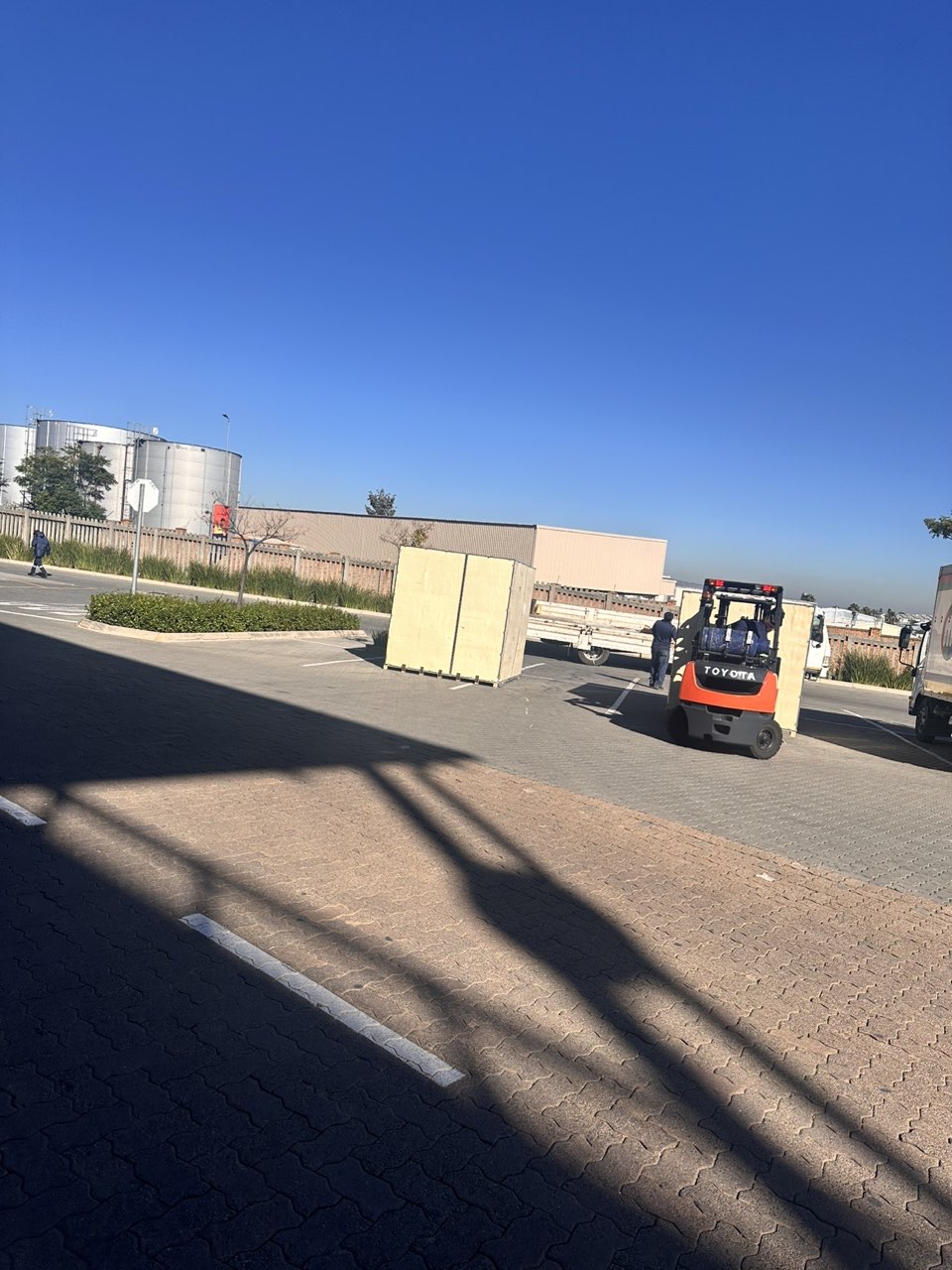
Mining Equipments
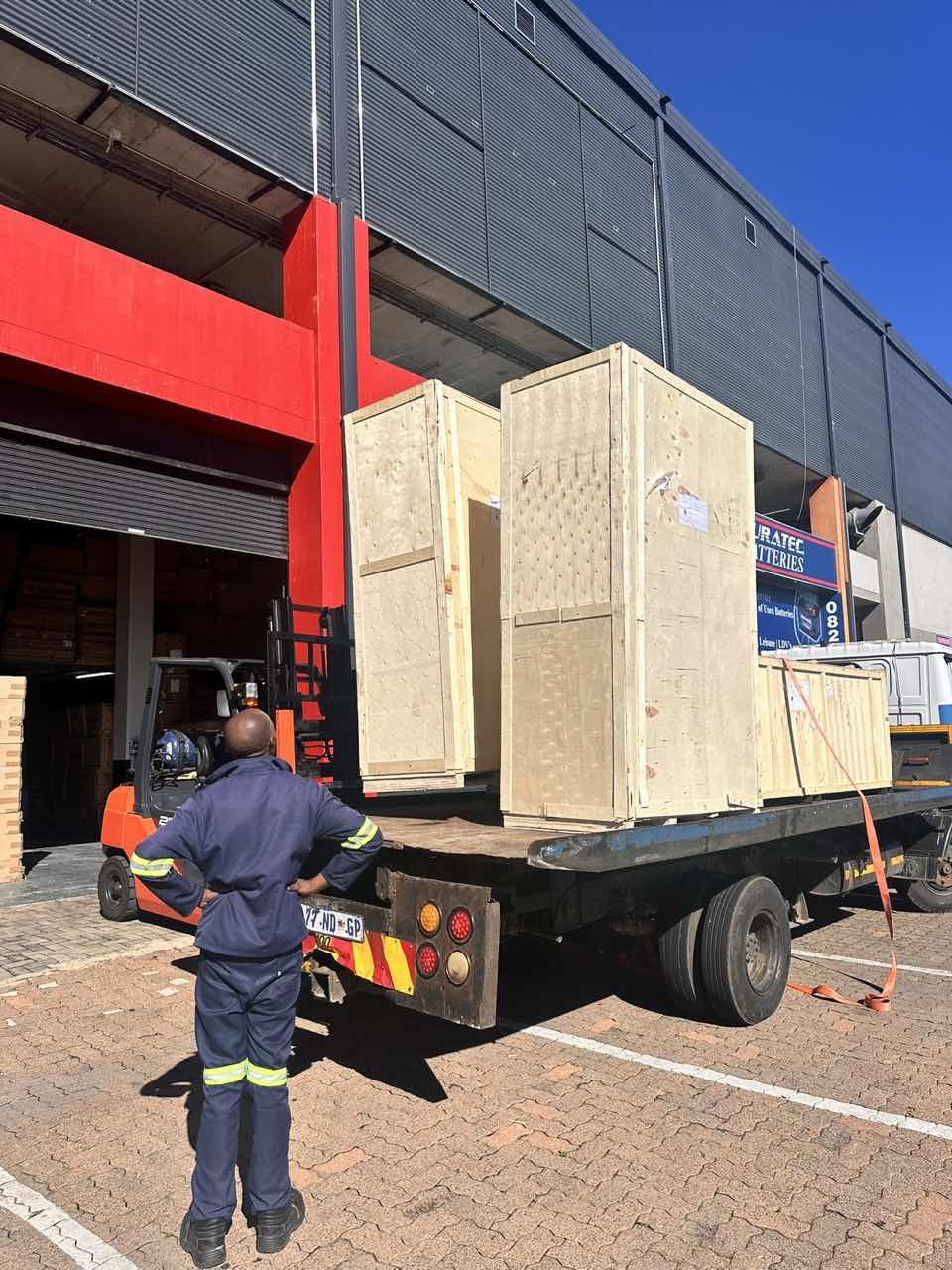
Food Processing Machine
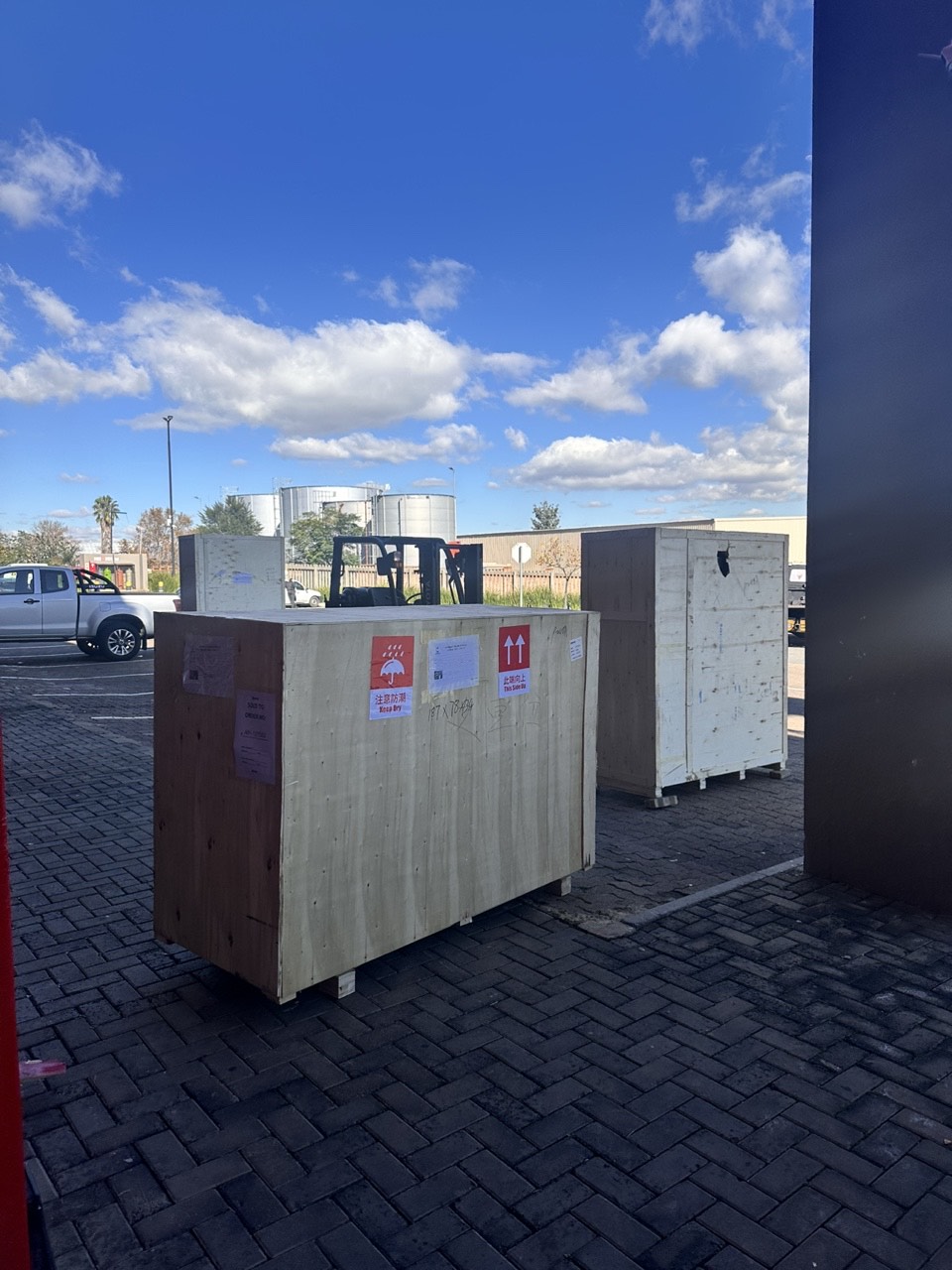
Batch of Orders
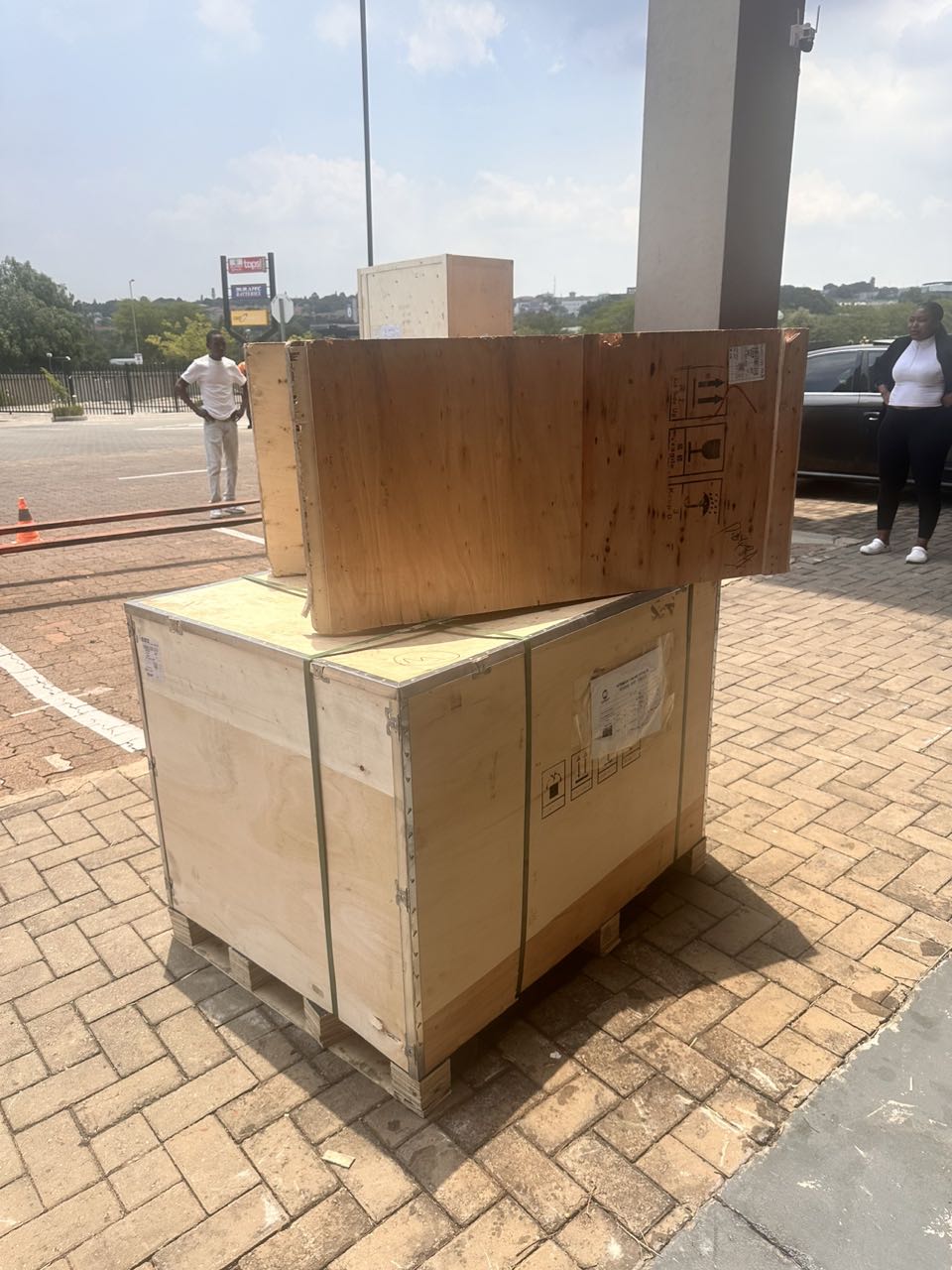
Batch of Orders
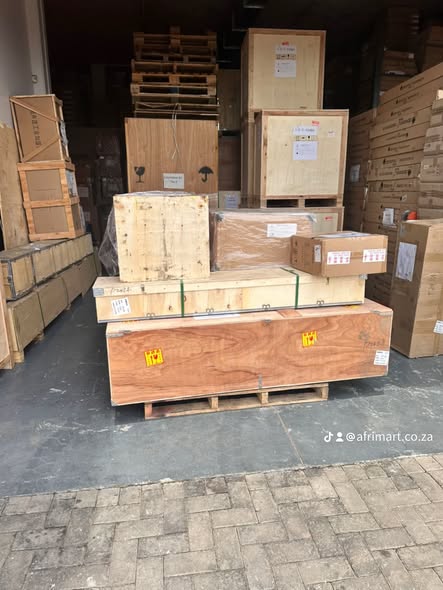
Latest Orders Labelled
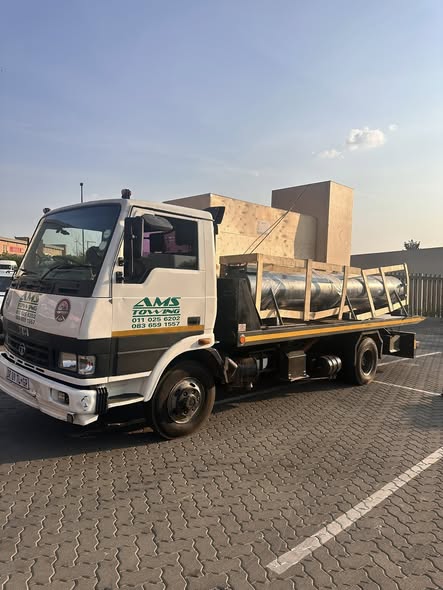
wheel alignment machines
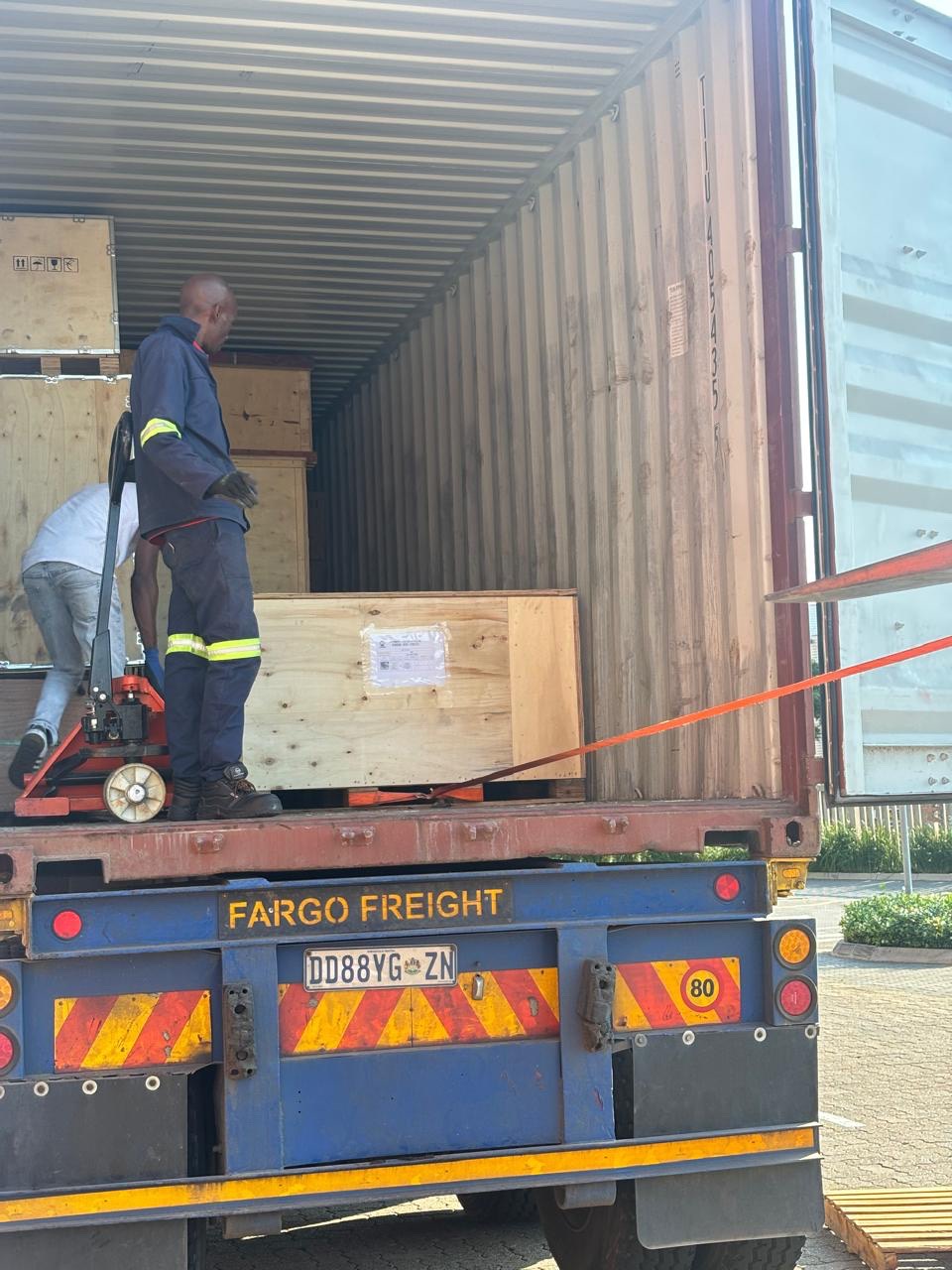
new arrivals
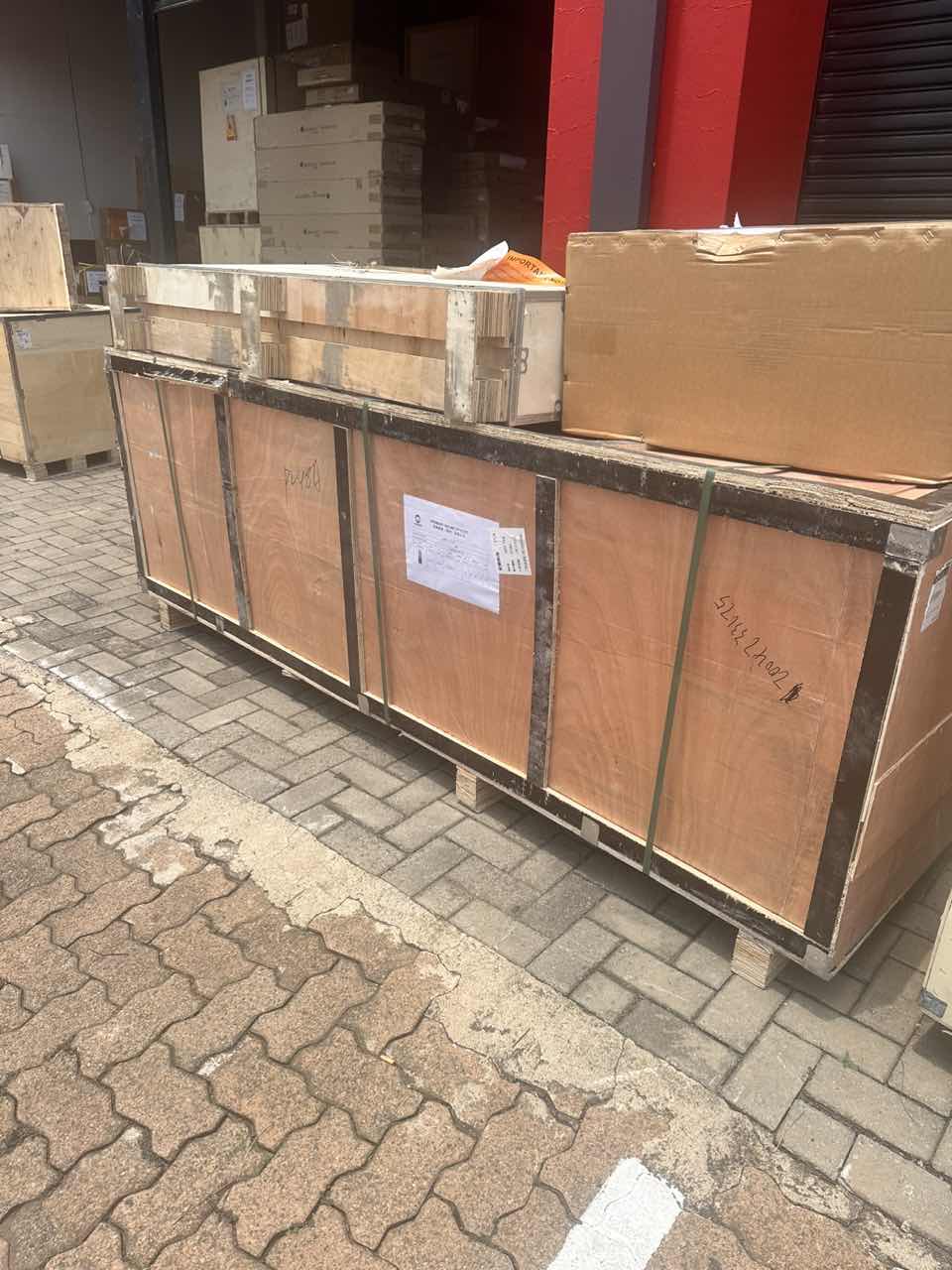
Pre Orders Offloading
Latest Arrivals
Latest Arrivals
Latest Arrivals
Loading
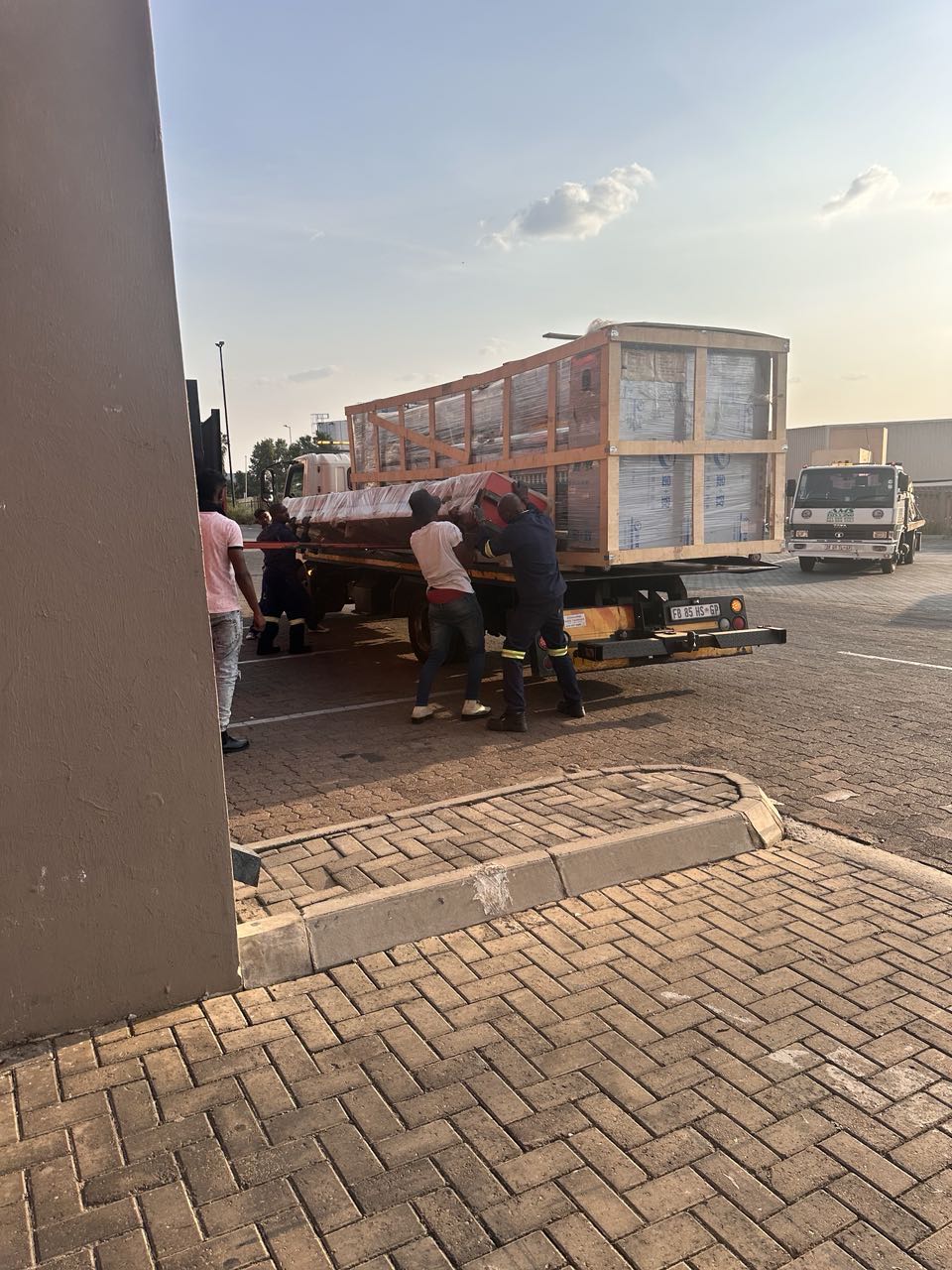
Toilet paper making machine
Toilet paper making machine
Toilet paper Rewinding Machine
latest arrivals
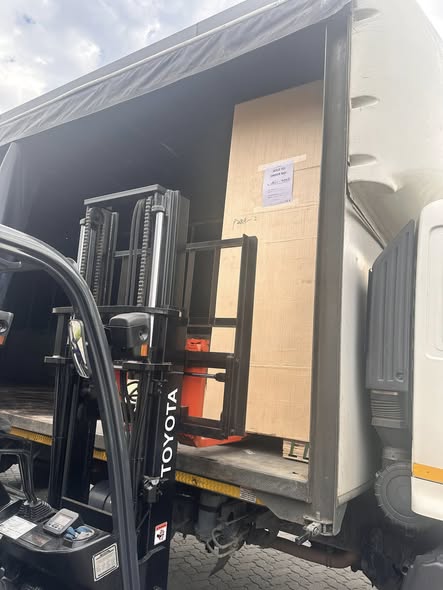
offloading
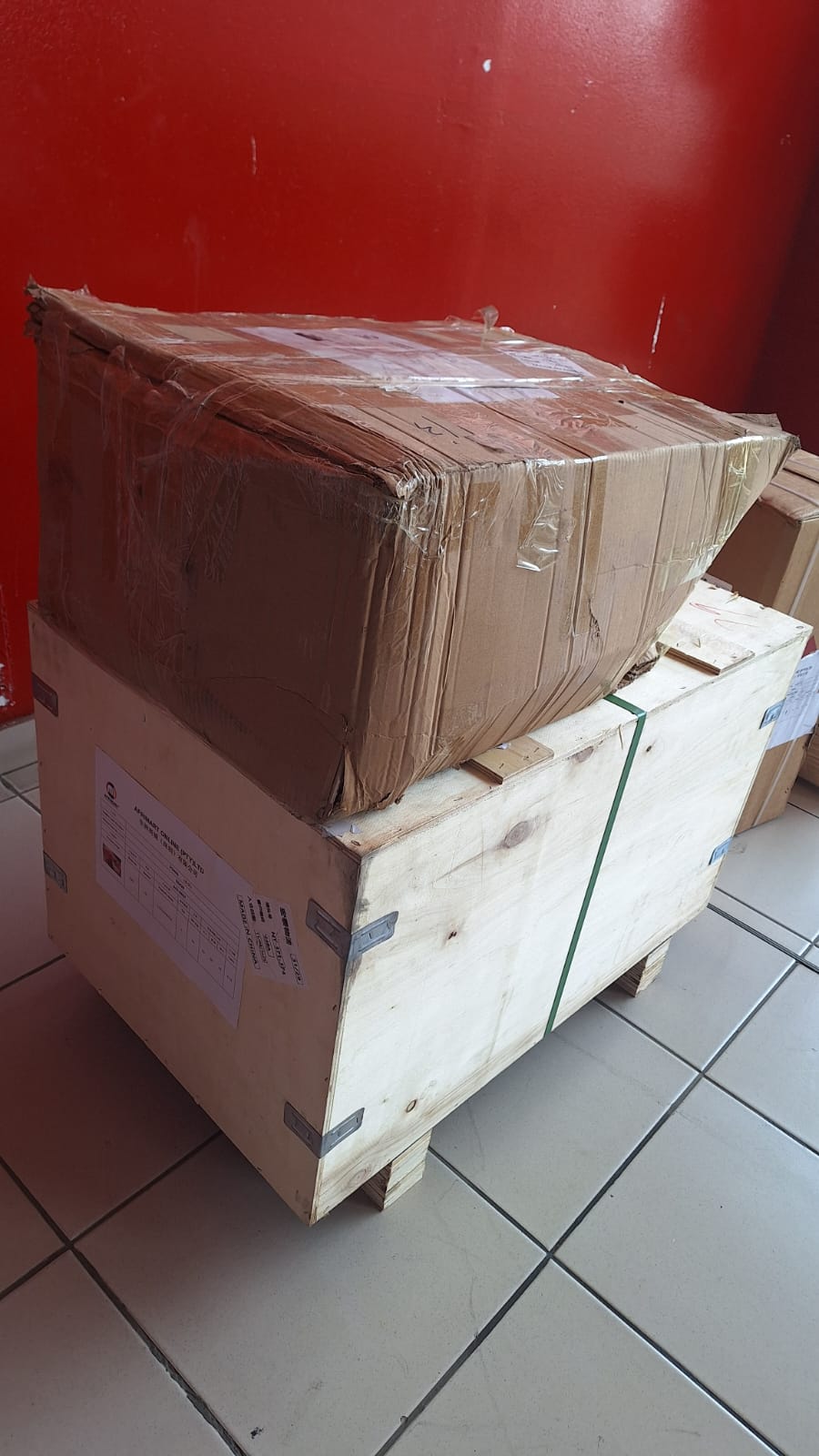
order success
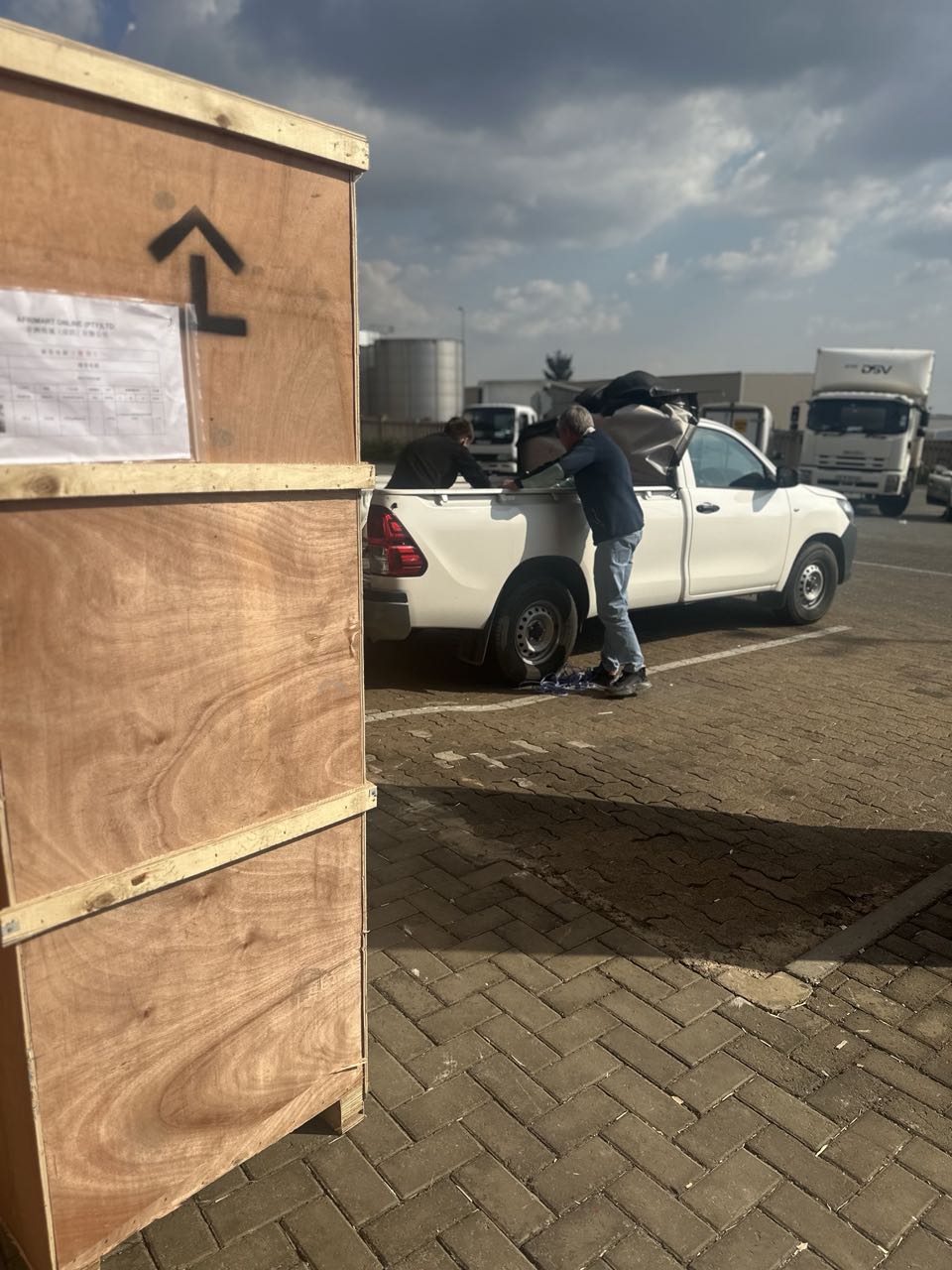
order collection
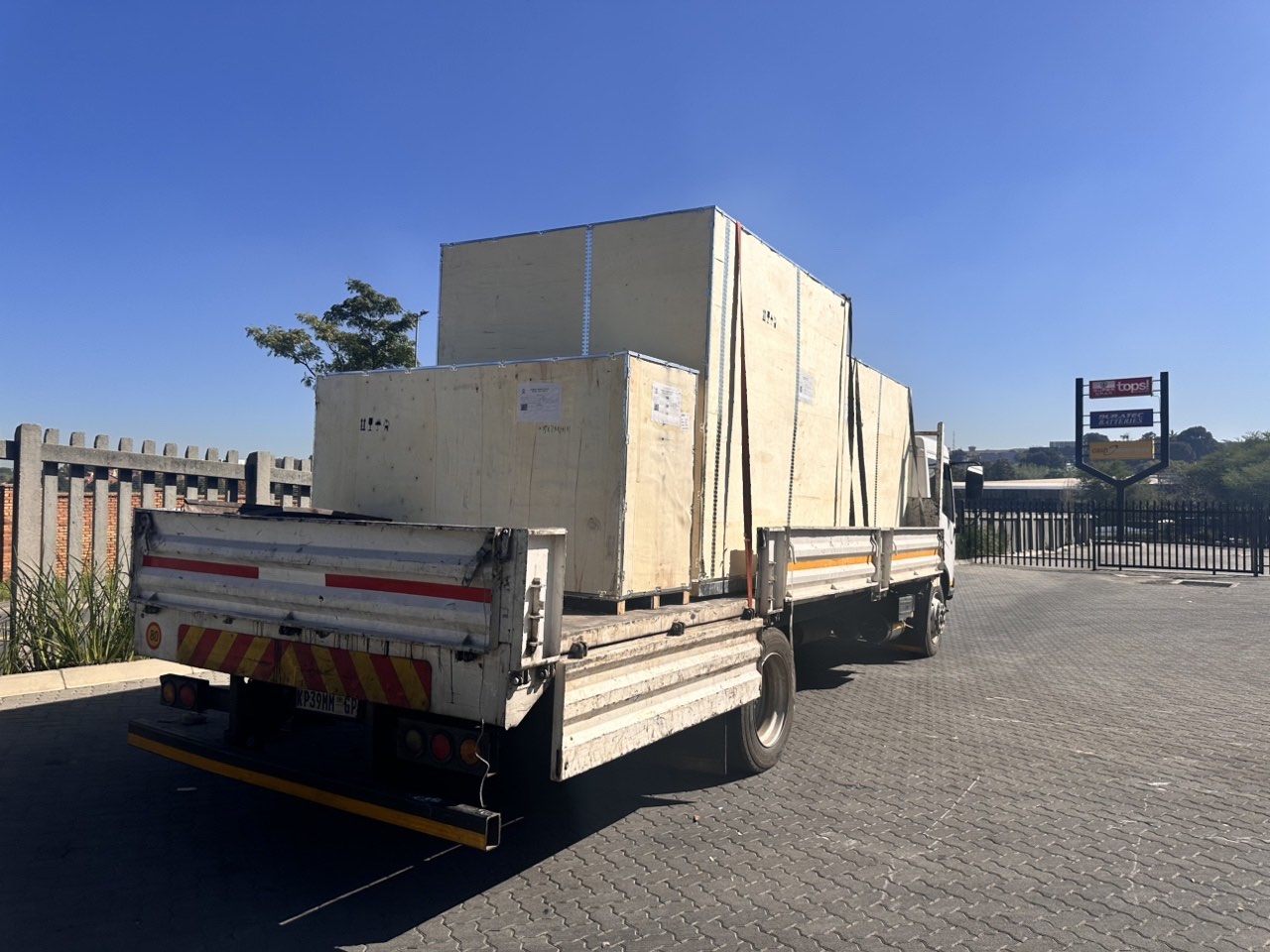
order offloading